Building in the ugliest country in the world
With the support of:




 Paul Hendrikse
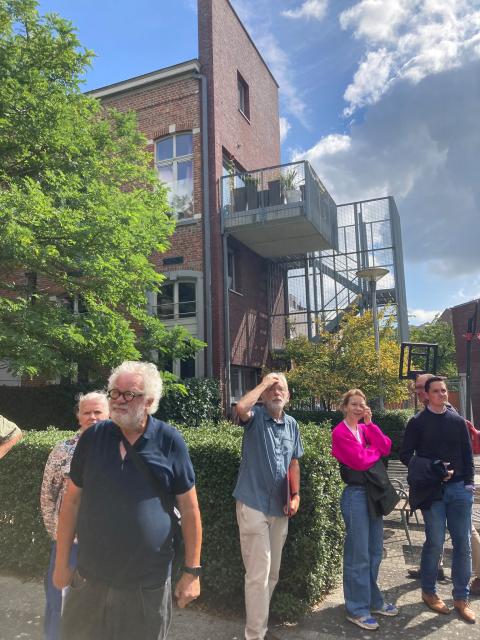
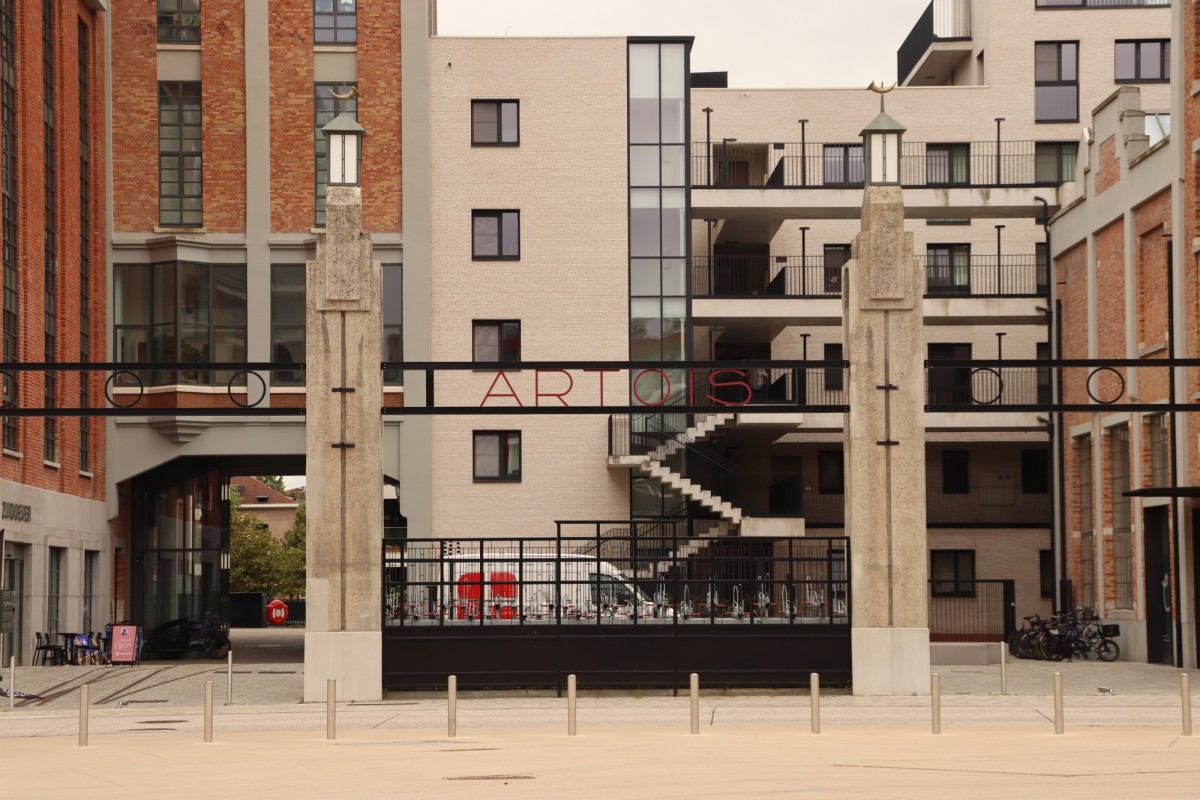
Ateliers en Wonen Distillery, Robbrecht & Daem Architects, 2016–2022
Paul Hendrikse
Ateliers en Wonen Distillery, Robbrecht & Daem Architects, 2016–2022
Renaat Braem In the 1960s, he built a large-scale, iconic housing project here, inspired by a socialist ideal that held the old city (read: society) to be beyond redemption. They had to start with a blank sheet of paper. The Sint-Maartensdal complex epitomises what he had in mind for ‘the ugliest country in the world’.
Among a new generation of architects, trained after May ’68, there was a growing realisation that things had to change. They were averse to large-scale projects and to the lack of resident participation in all of this. Initially, the focus was on small-scale developments that offered the less well-off new opportunities to continue living in the city, but which often simultaneously reused or redefined existing structures – tentatively at first, but gradually yielding striking results.
This generation of architects, supported by the non-profit organisation Stad en Architectuur, founded in 1998, managed to persuade the city council to embark on a gradual transformation of the city. On the cycle tour, we will visit projects that bear witness to this transition.
We begin our day with a visit to the Centrale Werkplaatsen, where several large halls are being refurbished, and also to the new housing estate by Bogdan Van Broeck (now &Bogdan): 134 homes built on a stylised grid, with space for greenery and socialising.
We then cycle past the conversion of an Art Deco monastery, with an extension for a circus school by LAVA architects, and the subtle integration into the street pattern of a new residence by Coussée-Goris-Huyghe architects. We also take in the work of some icons of post-war modernism, such as Marc Dessauvage (Erasmus House) and Paul van Aerschot (Library).
More recent developments can be seen in areas where large-scale complexes have been partially or completely demolished: the former St Peter’s Hospital, featuring a residential tower and homes designed by David Chipperfield; the redevelopment around the De Hoorn brewery, plus a new residential neighbourhood by Robbrecht and Daem Architects; the old Vaartkom, where derelict buildings have been repurposed and others have made way for new developments, featuring work by BEEL Architects, Xaveer de Geyter, …
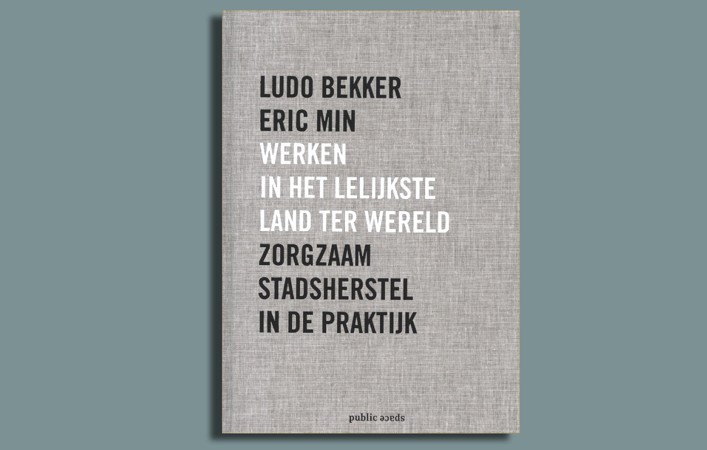 Projects by Czaar and a33 architects form the common thread running through the day. These firms have brought about the transformation of the city centre like no others. You can read more about this in the wonderful book Working in the Ugliest Country in the World: Caring Urban Regeneration in Practice, by Ludo Bekker and Erik Min.
Programme
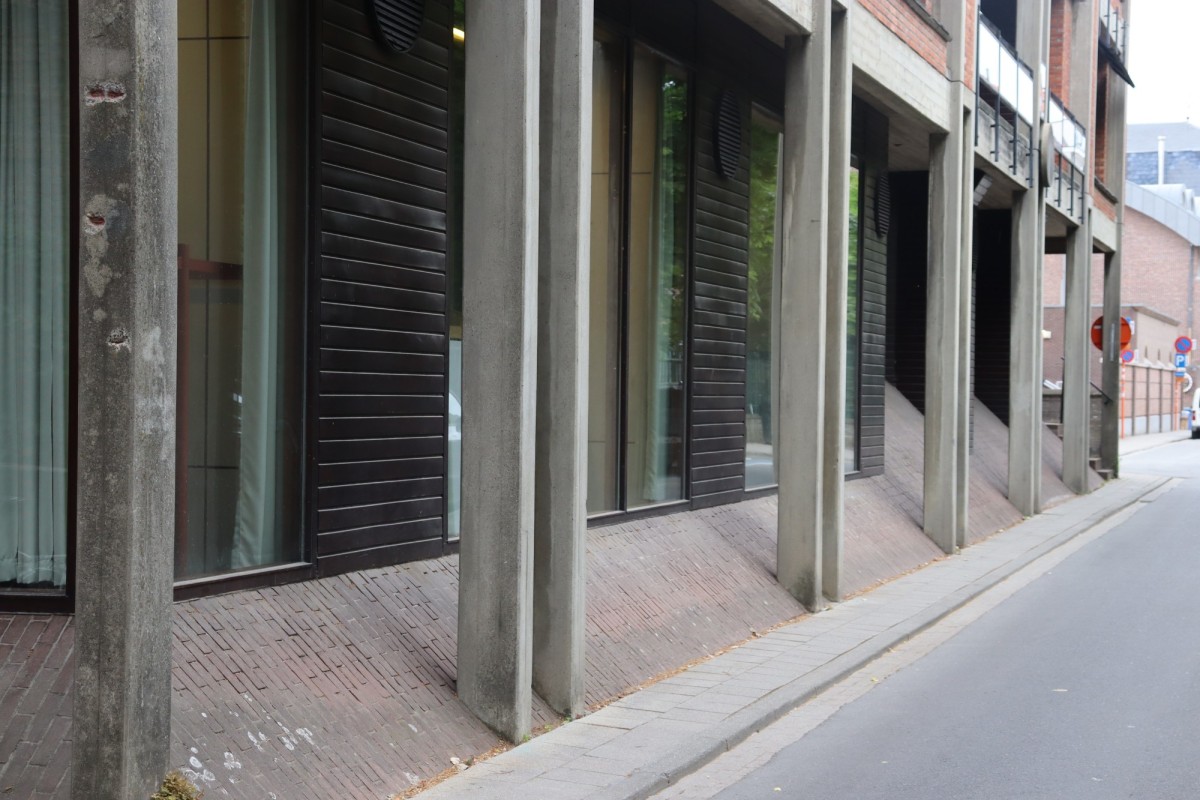 Paul Hendrikse
Theology Library, Paul Van Aerschot, 1974
Paul Hendrikse
Theology Library, Paul Van Aerschot, 1974
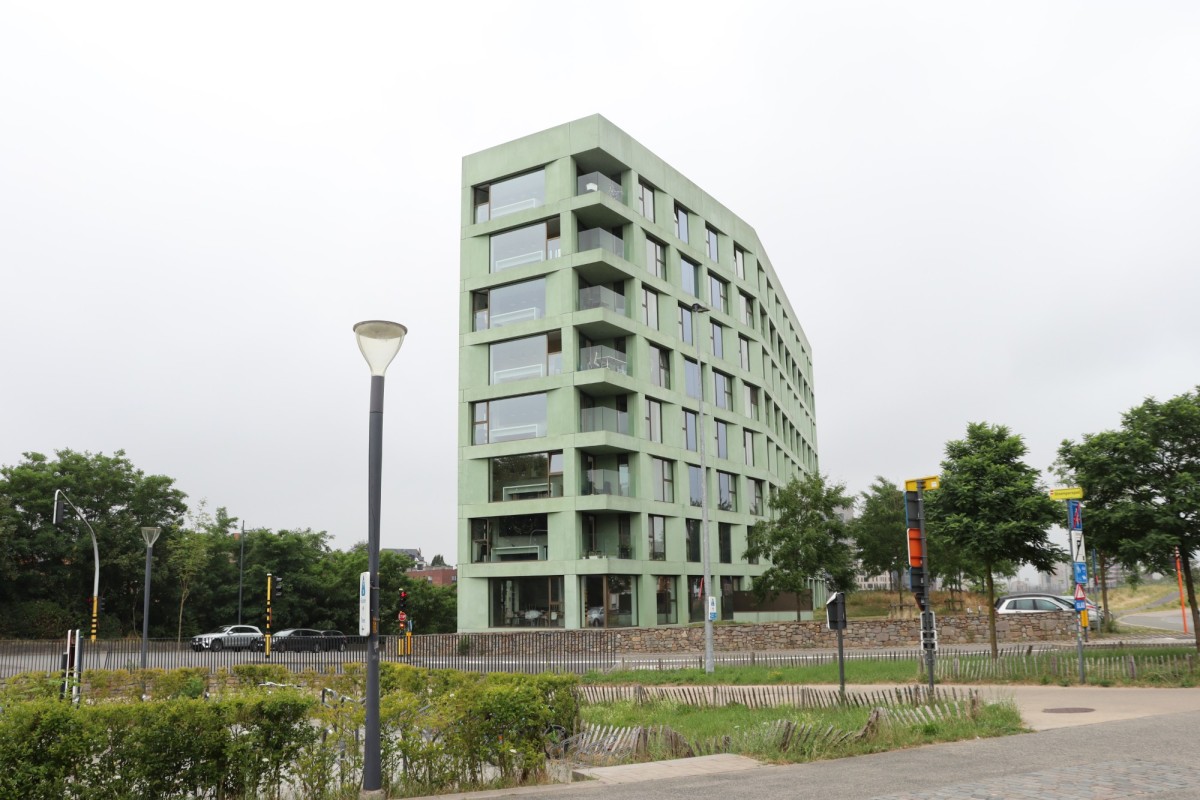 Paul Hendrikse
Woods student and social housing, Binst Architects, 2013–2017
Paul Hendrikse
Woods student and social housing, Binst Architects, 2013–2017
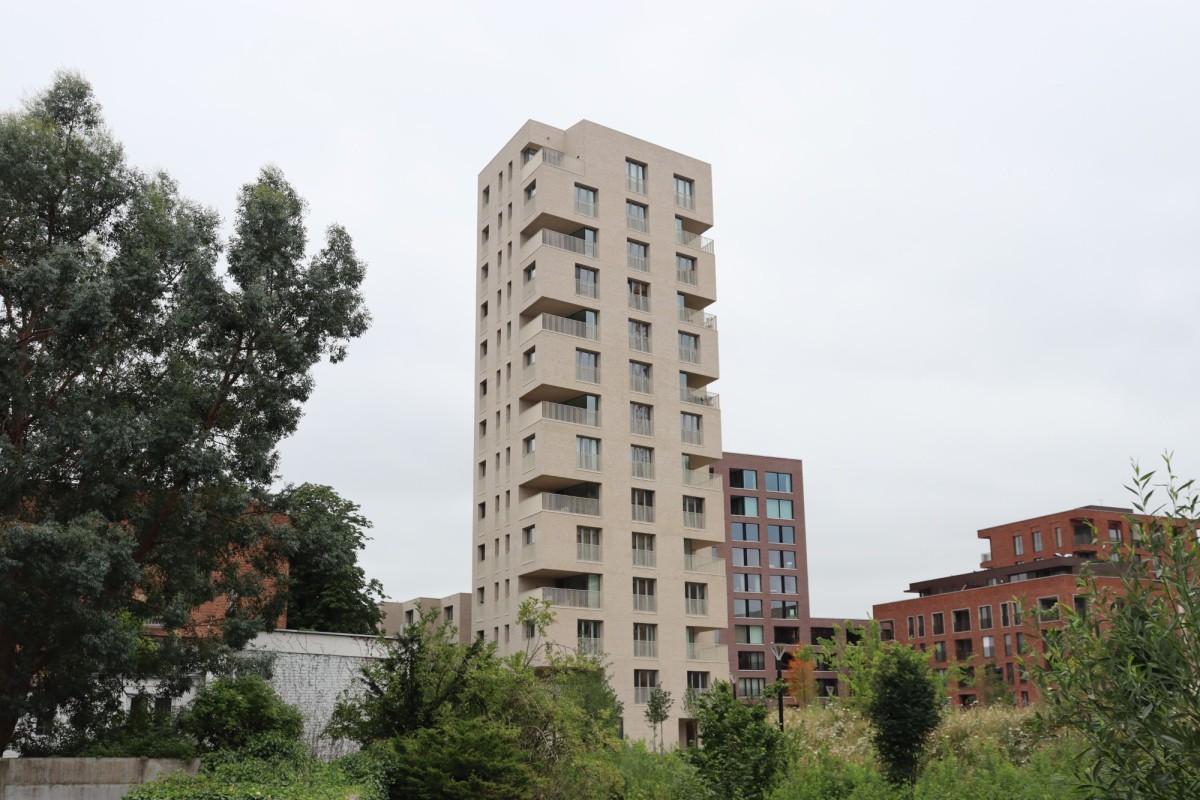 Paul Hendrikse
Hertogensite: conversion of hospital into a residential development, David Chipperfield, 2018–2024
Paul Hendrikse
Hertogensite: conversion of hospital into a residential development, David Chipperfield, 2018–2024
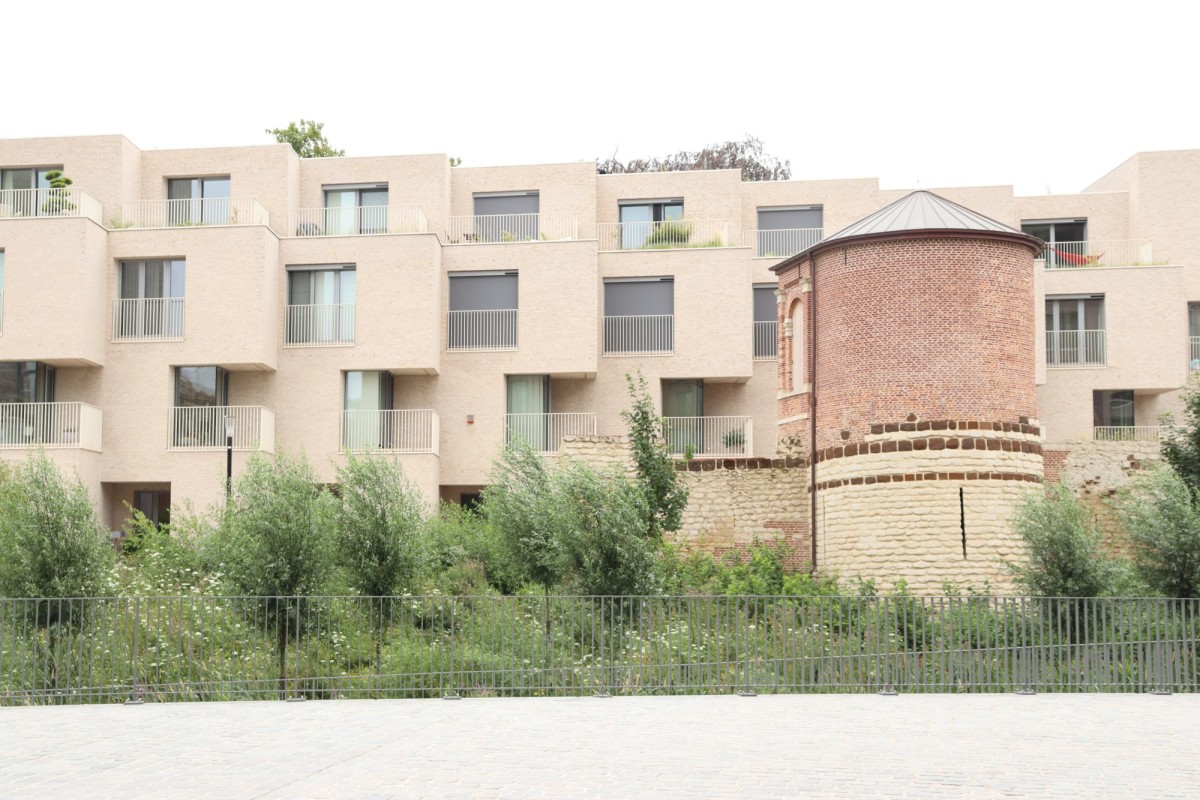 Paul Hendrikse
Hertogensite: conversion of hospital into a residential development, David Chipperfield, 2018–2024
Paul Hendrikse
Hertogensite: conversion of hospital into a residential development, David Chipperfield, 2018–2024
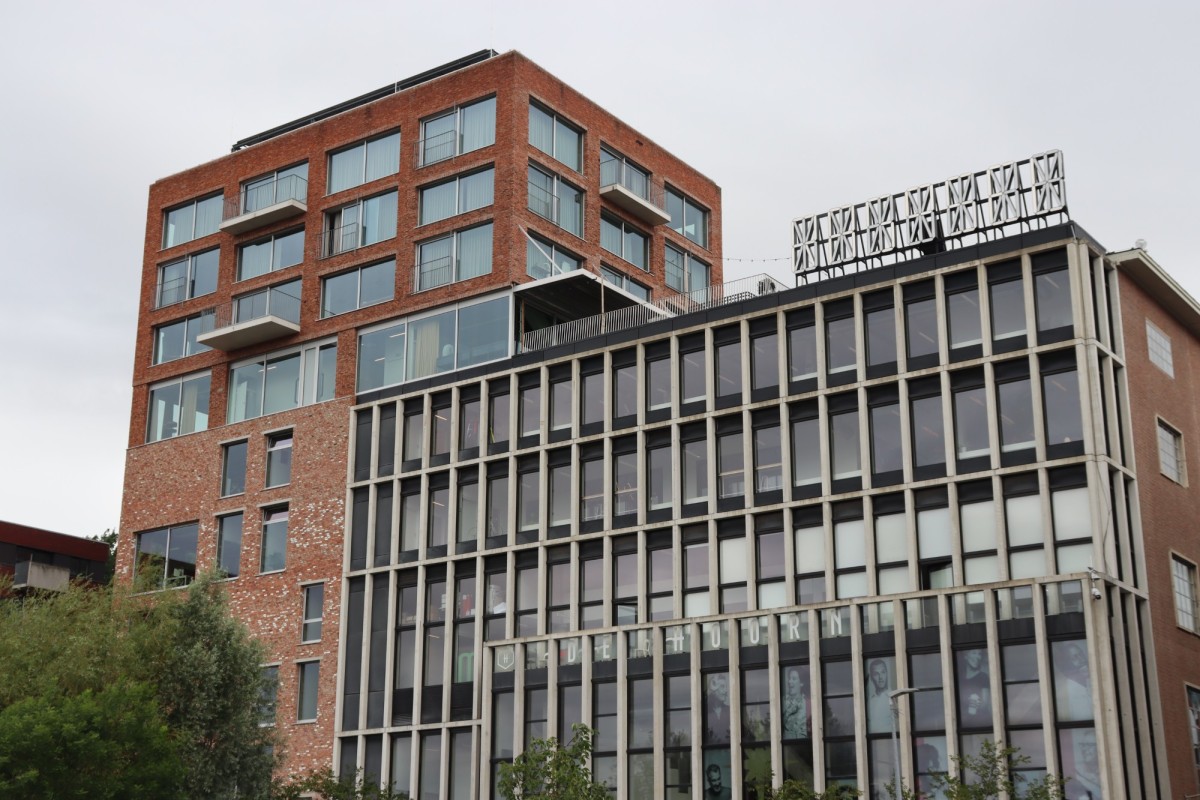 Paul Hendrikse
The Hoorn renovation (the first Stella Artois was brewed here in 1923), 360 architects, 2016
Paul Hendrikse
The Hoorn renovation (the first Stella Artois was brewed here in 1923), 360 architects, 2016
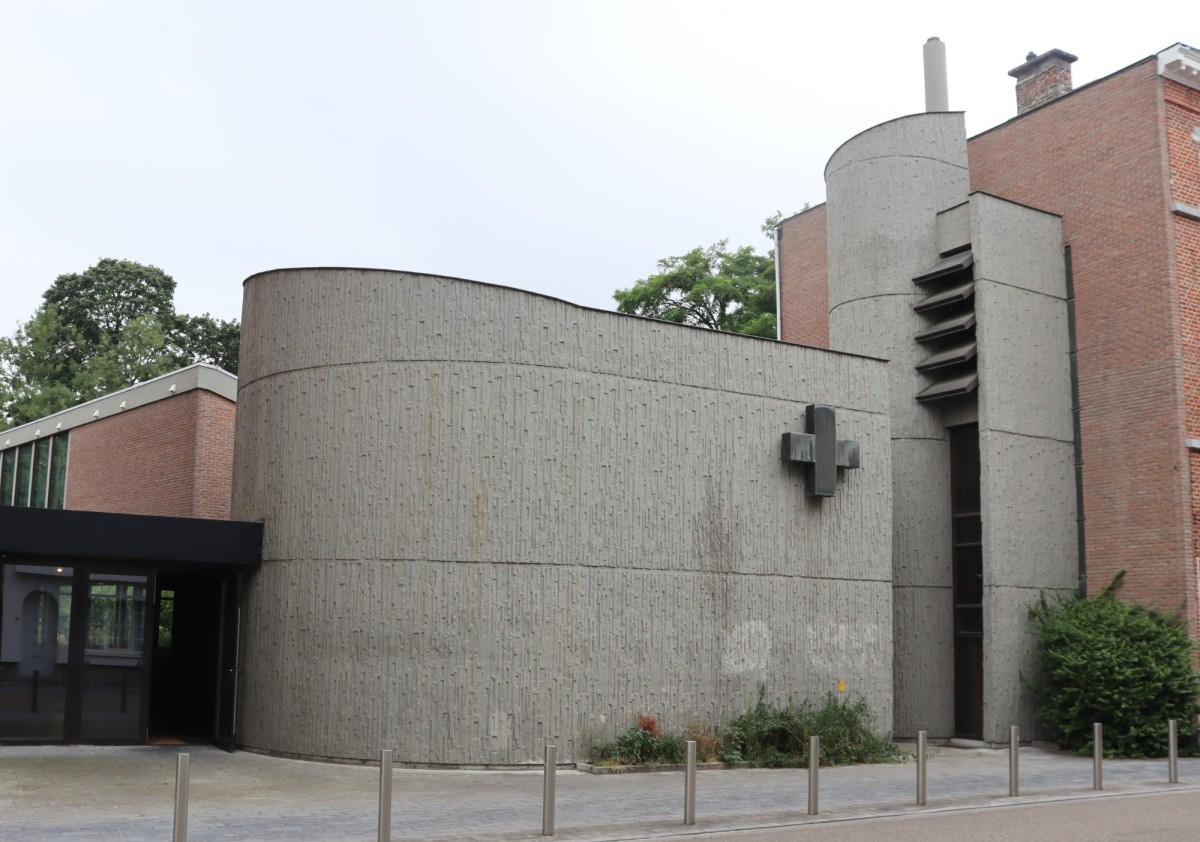 Paul Hendrikse
St Joseph’s Church, Victor Broos, 1974
Paul Hendrikse
St Joseph’s Church, Victor Broos, 1974
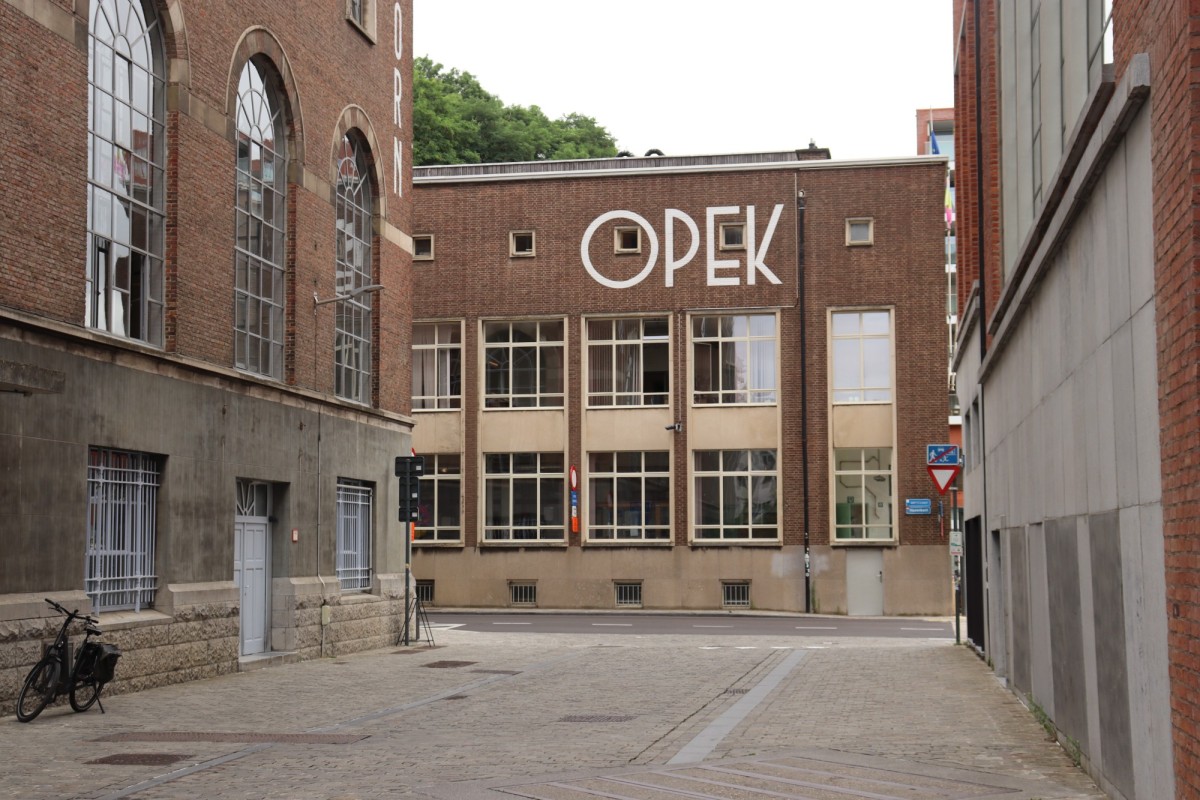 Paul Hendrikse
OPEK Public Warehouse (Victor Broos (Leuven), 1956), converted into the Public Warehouse for the Arts, T’Jonk-Nilis, 2009–13
Paul Hendrikse
OPEK Public Warehouse (Victor Broos (Leuven), 1956), converted into the Public Warehouse for the Arts, T’Jonk-Nilis, 2009–13
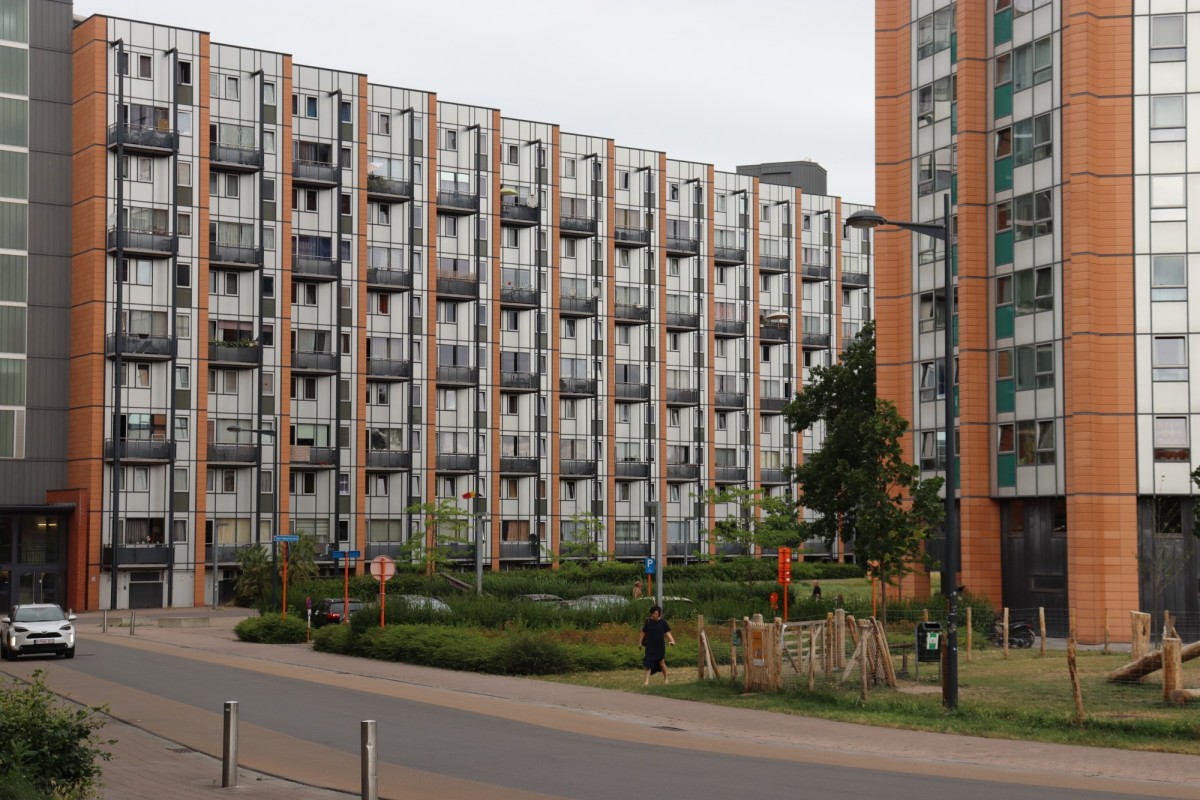 Paul Hendrikse
Sint-Maartensdal residential tower by Renaat Braem, 1955–71, restoration, A33, 1995–2002
Paul Hendrikse
Sint-Maartensdal residential tower by Renaat Braem, 1955–71, restoration, A33, 1995–2002
Sint-Maartensdal Park
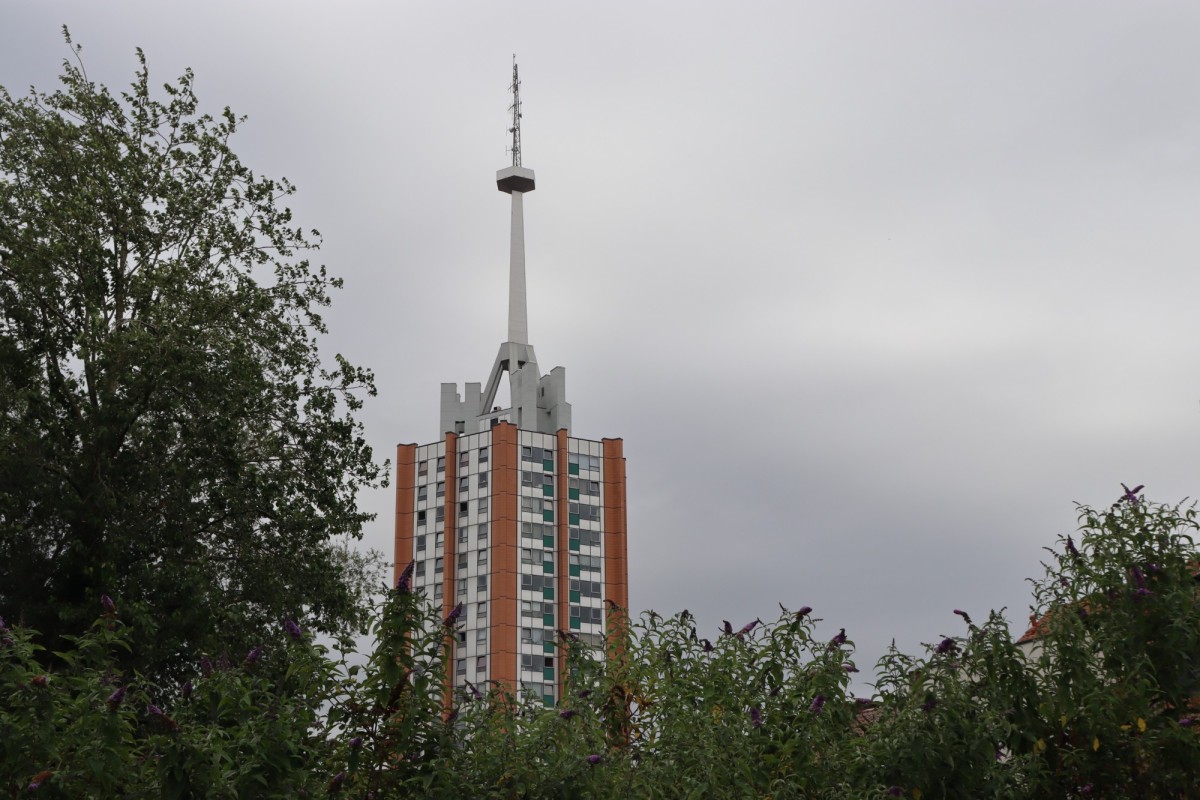 Paul Hendrikse
Sint-Maartensdal residential tower by Renaat Braem, 1955–71, restoration, A33, 1995–2002
Paul Hendrikse
Sint-Maartensdal residential tower by Renaat Braem, 1955–71, restoration, A33, 1995–2002
Sint-Maartensdal Park
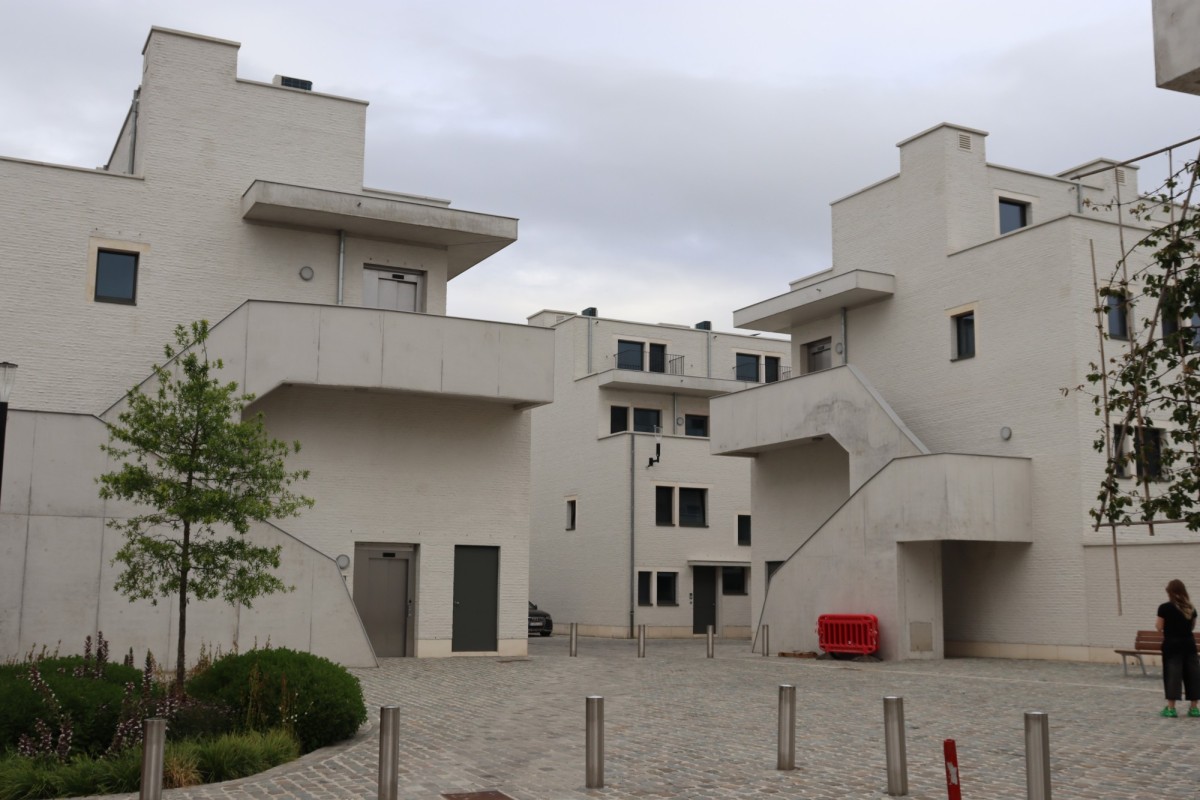 Paul Hendrikse
De Bottelarij housing project, Robbrecht & Daem Architects, 2014–2025
Paul Hendrikse
De Bottelarij housing project, Robbrecht & Daem Architects, 2014–2025
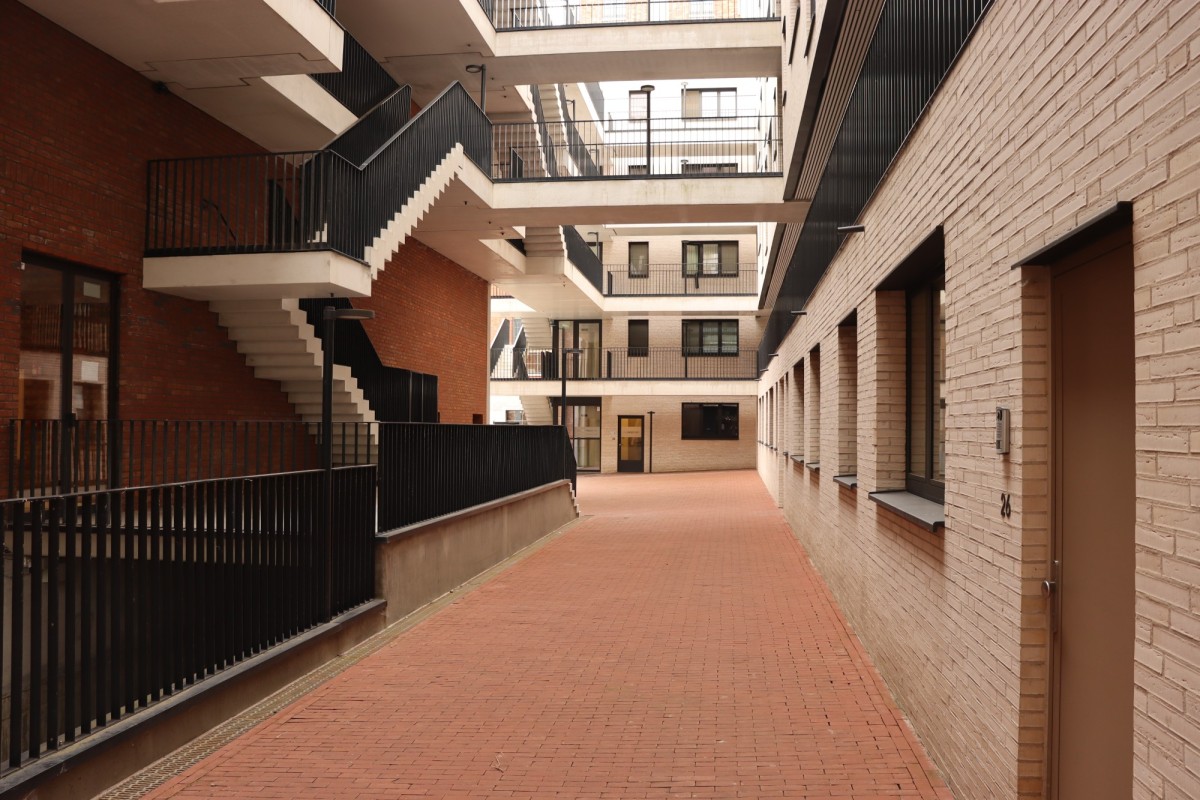 Paul Hendrikse
Ateliers en Wonen Distillery, Robbrecht & Daem Architects, 2016–2022
Paul Hendrikse
Ateliers en Wonen Distillery, Robbrecht & Daem Architects, 2016–2022
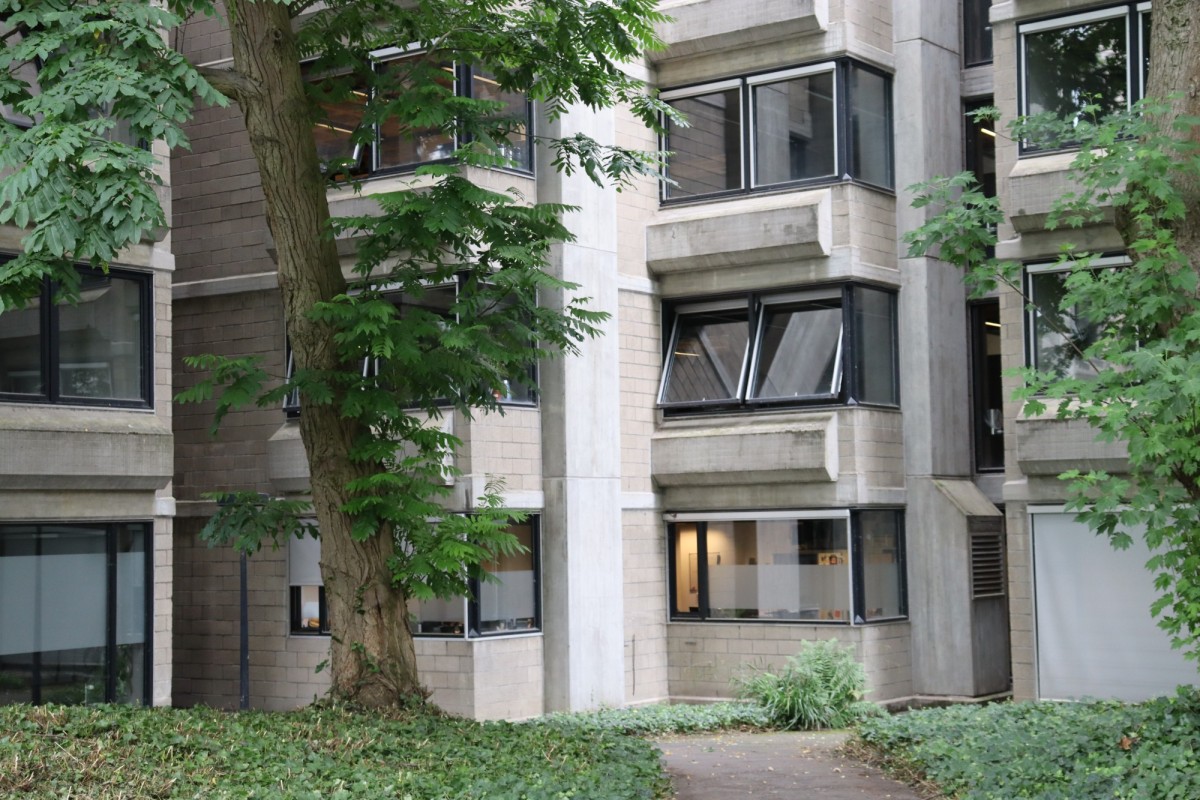 Paul Hendrikse
Erasmushuis, Marc Dessauvage, 1972–75
Paul Hendrikse
Erasmushuis, Marc Dessauvage, 1972–75
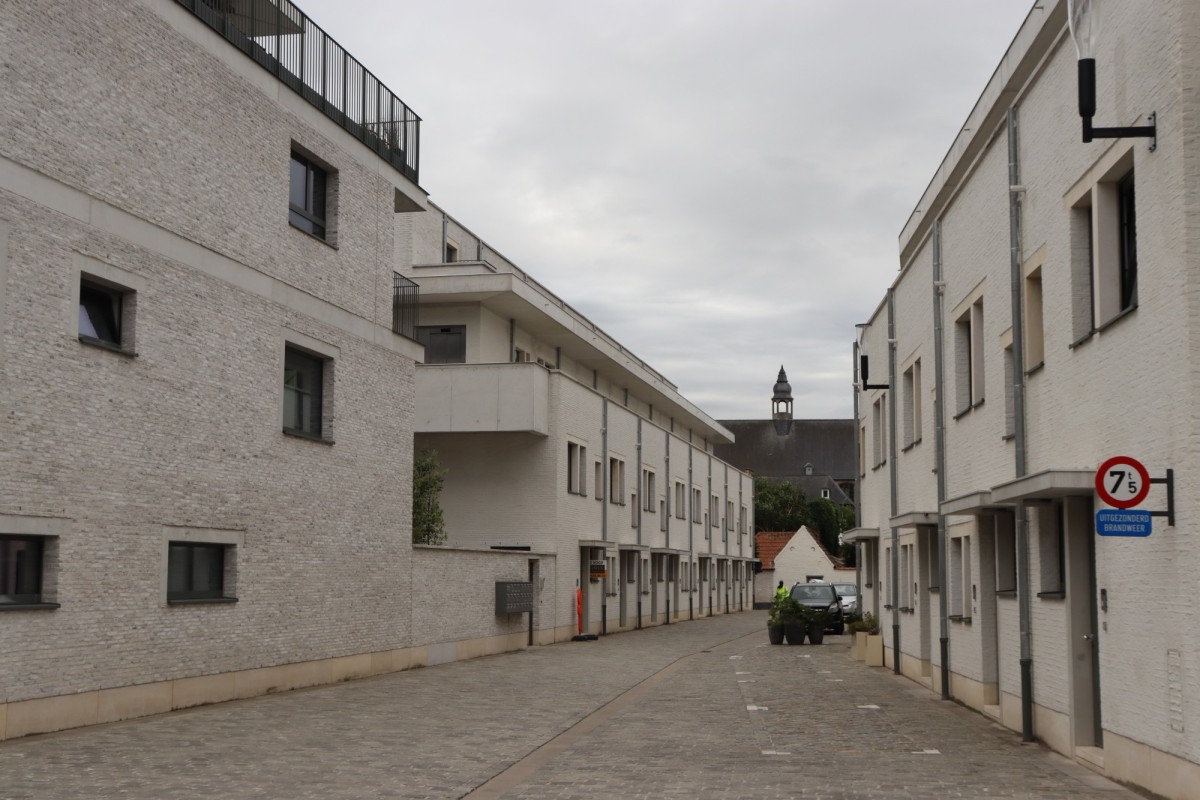 Paul Hendrikse
De Bottelarij housing project, Robbrecht & Daem Architects, 2014–2025
Paul Hendrikse
De Bottelarij housing project, Robbrecht & Daem Architects, 2014–2025
Organisation: Géraldine Vandenabeele, Hera Van Sande and Ludo Bekker