The Metamorphosis of Zwartberg
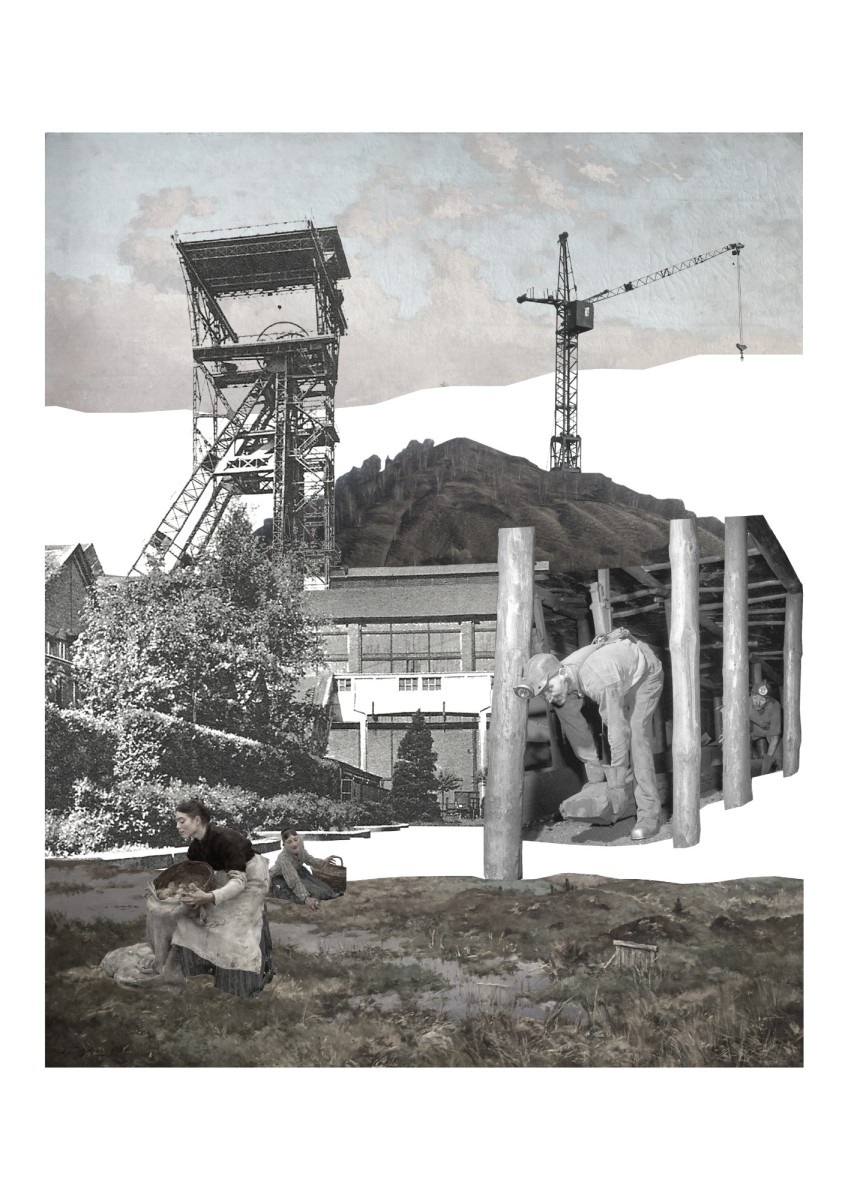
The former Zwartberg mining site in Genk is a place with a rich history: from the original heathland landscape, which was transformed by the rise of the mining industry, to the current phase of post-industrial regeneration. Today, the original landscape has largely disappeared, and the area feels anonymous. What was once a source of identity has been transformed into a fragmented industrial area lacking cohesion and a human scale. The site serves as a powerful metaphor for the constant changes the city and its surroundings are undergoing. The term ‘metamorphosis’ plays a central role in understanding the layered nature of Genk’s landscape.

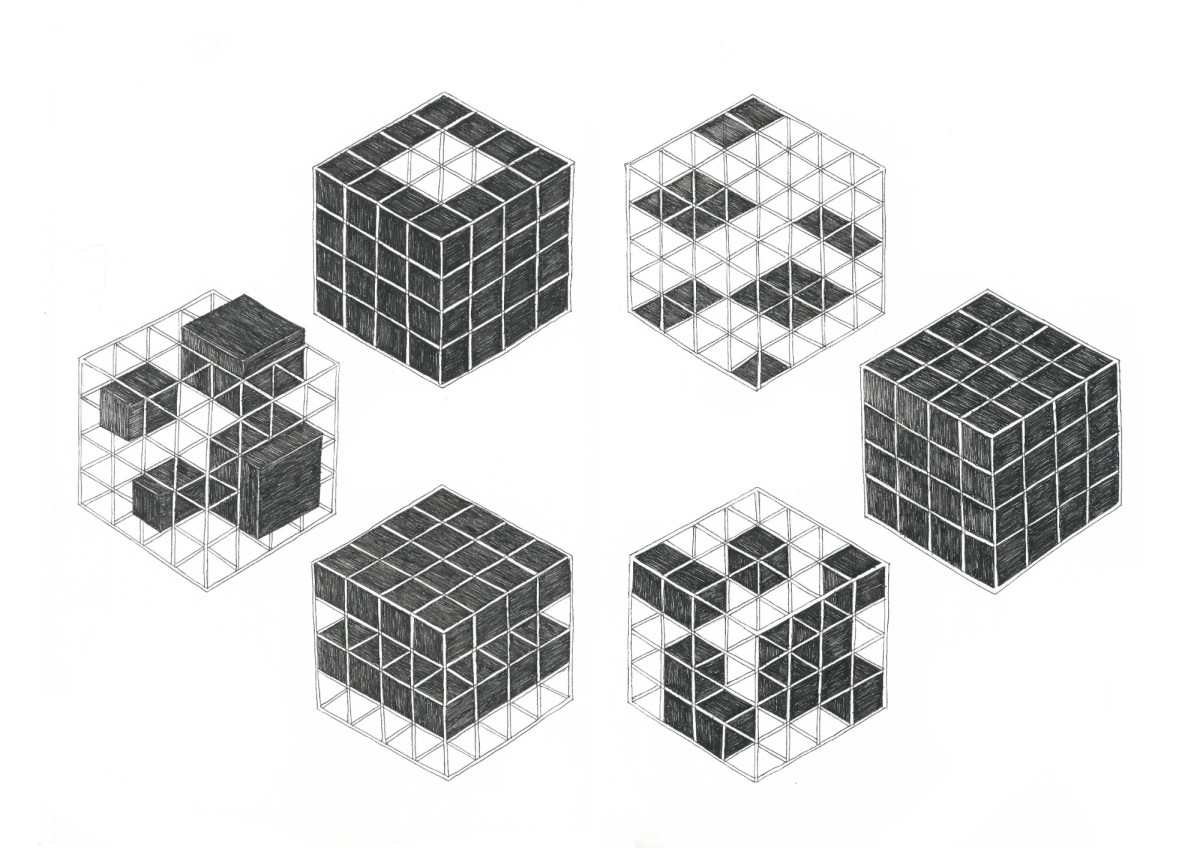
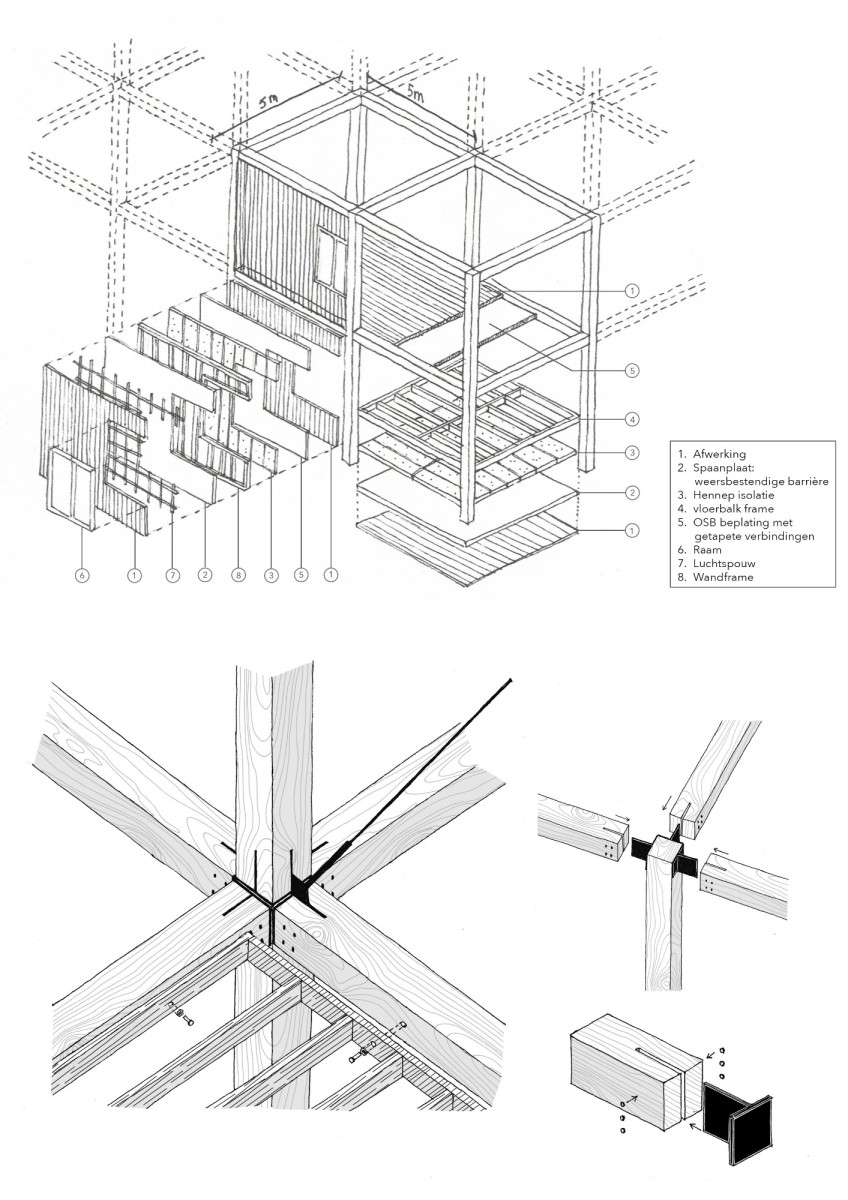
My project focuses on restoring a sense of identity and connection in this area, based on the idea that everything is constantly in flux. Through a flexible and modular structure, capable of adapting to the needs of the community, I seek to translate this movement into architecture. This structure could change over time according to a specific cycle, thereby emphasising the transition from an industrial area to an environment that is increasingly opening up to nature. In a poetic way, this reflects the transience of the former heathland landscape and the mining industry.
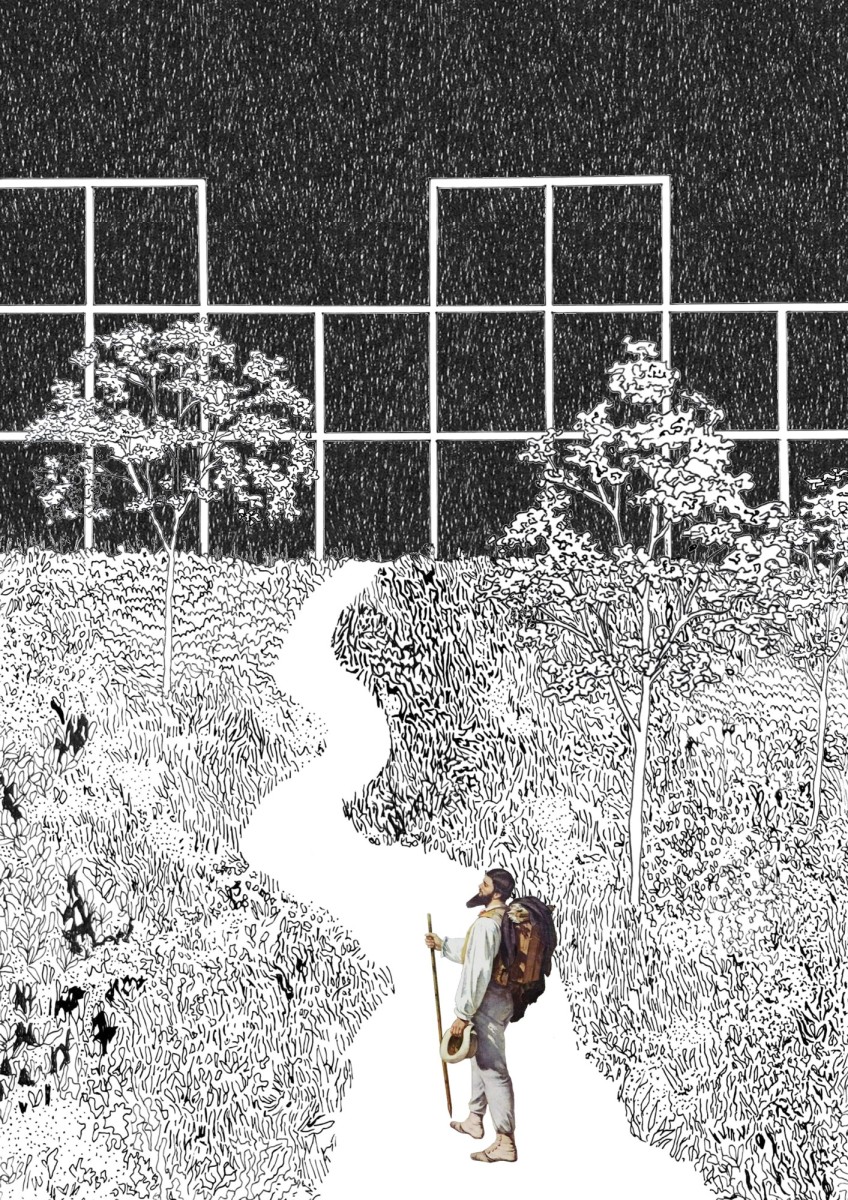

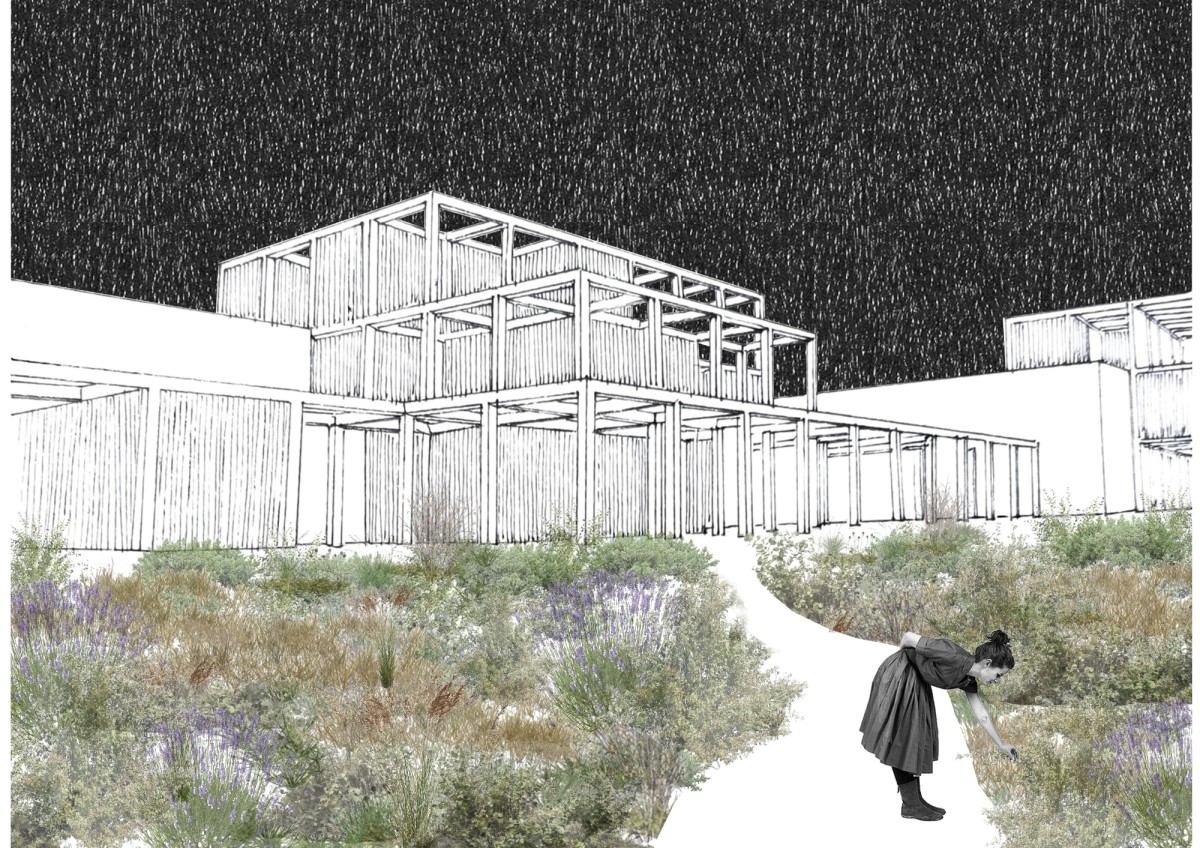
In the masterplan, this translates into a clustering strategy, whereby industrial buildings and other functions are grouped together in zones. This involves the demolition of many existing industrial buildings, which will be relocated to these clusters. This frees up space that is returned to nature. Within the clusters, semi-open interior areas are created, specially designed for soft circulation. However, they are not merely thoroughfares, but also form small, idyllic worlds in their own right. Through careful design featuring native vegetation, water features, seating areas and open heathland fragments, spaces are created where residents and visitors can slow down, meet and unwind.
The contrast between the hustle and bustle of the surrounding area and these tranquil spaces creates a sense of depth that gives the area its unique character. In this way, the project embodies a forward-looking vision in which a generic site is transformed once again into a place of significance.