The Red Table
Within the assignment ‘Matters of Hospitality’, we investigated how (un)hospitality can help us develop critical attitudes. We consider (un)hospitality as a layered and physically experienced practice within architecture. From a personal search for what (un)hospitality can mean for us today (phase I), we developed a poetic spatial proposal (phase II).
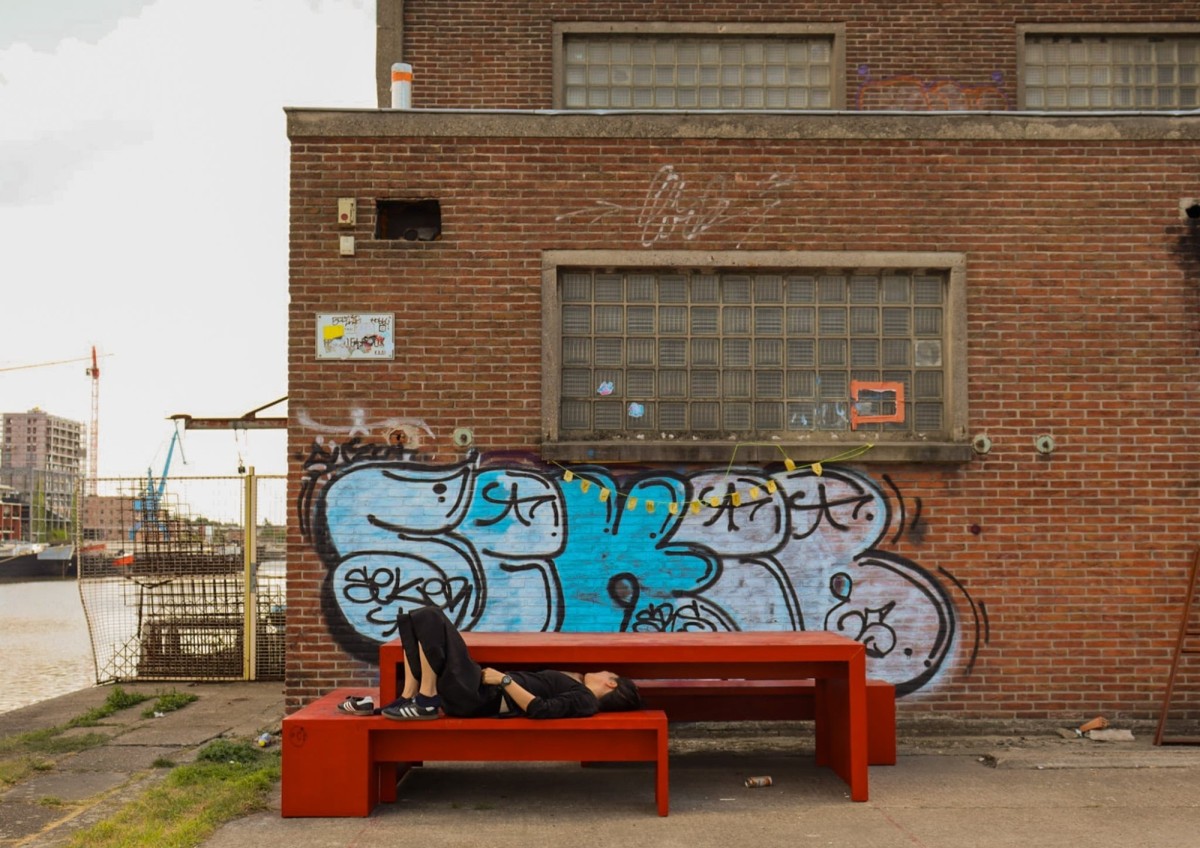
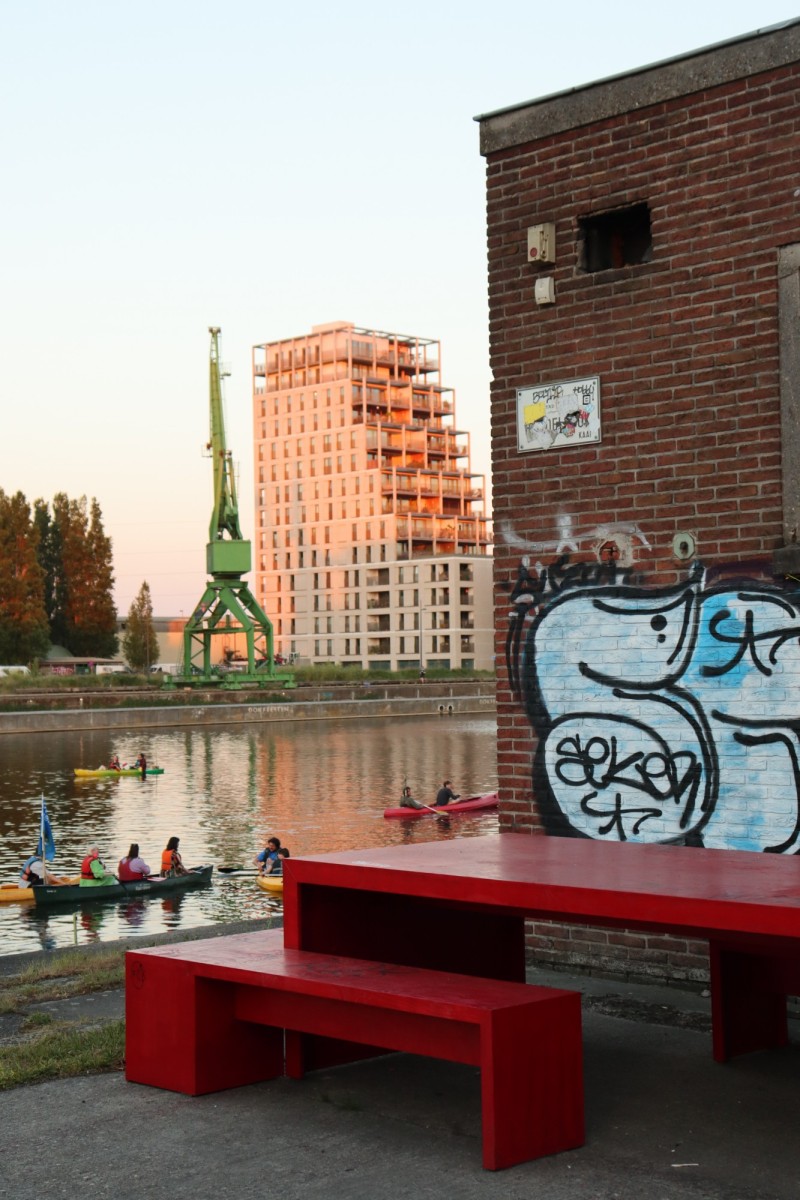
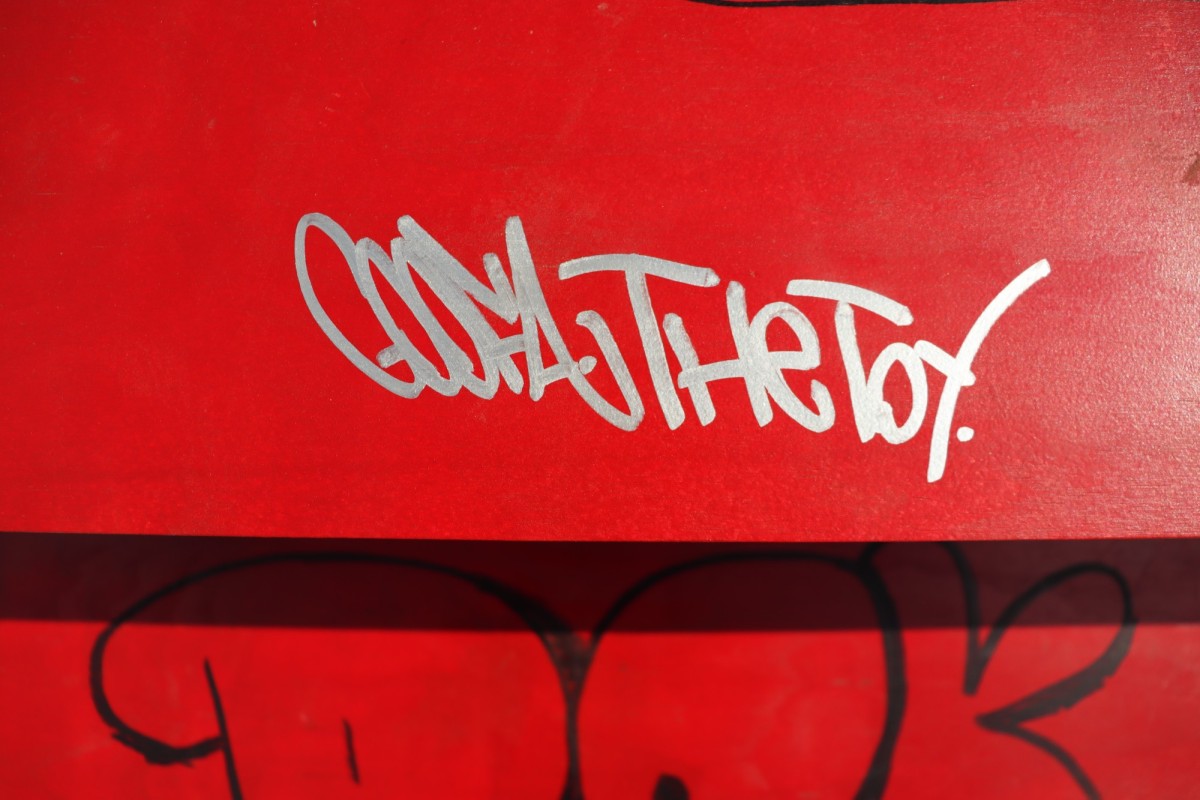
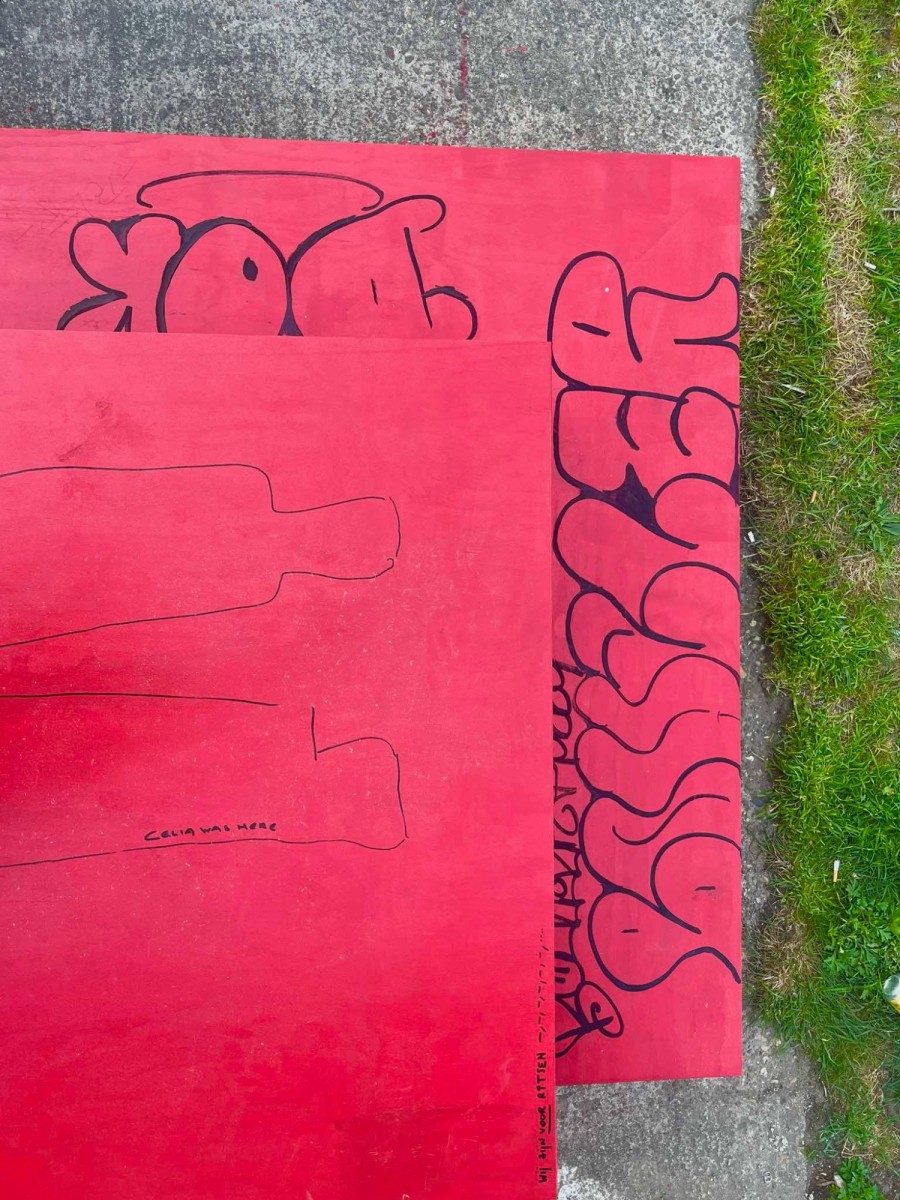
We concluded phase I with the concept of ‘in-between space’, which we used to look for a concrete place in public space for phase II. By locating such an in-between space, we wanted to get a sharper picture of what actually defines ‘the public’. The public is what is accessible to everyone and what people need. In Ghent, the search for public space is complicated by increasing privatisation and Disneyfication. In our view, this search can be approached by opening up residual spaces. The residual spaces in which our project is situated are places that are visited anonymously, but at the same time are not completely anonymous: we see what people leave there – graffiti, clothes, cigarette butts, cans. They are places that belong to no one, but are temporarily appropriated; places that offer new possibilities and where people can escape the unwritten rules of society.
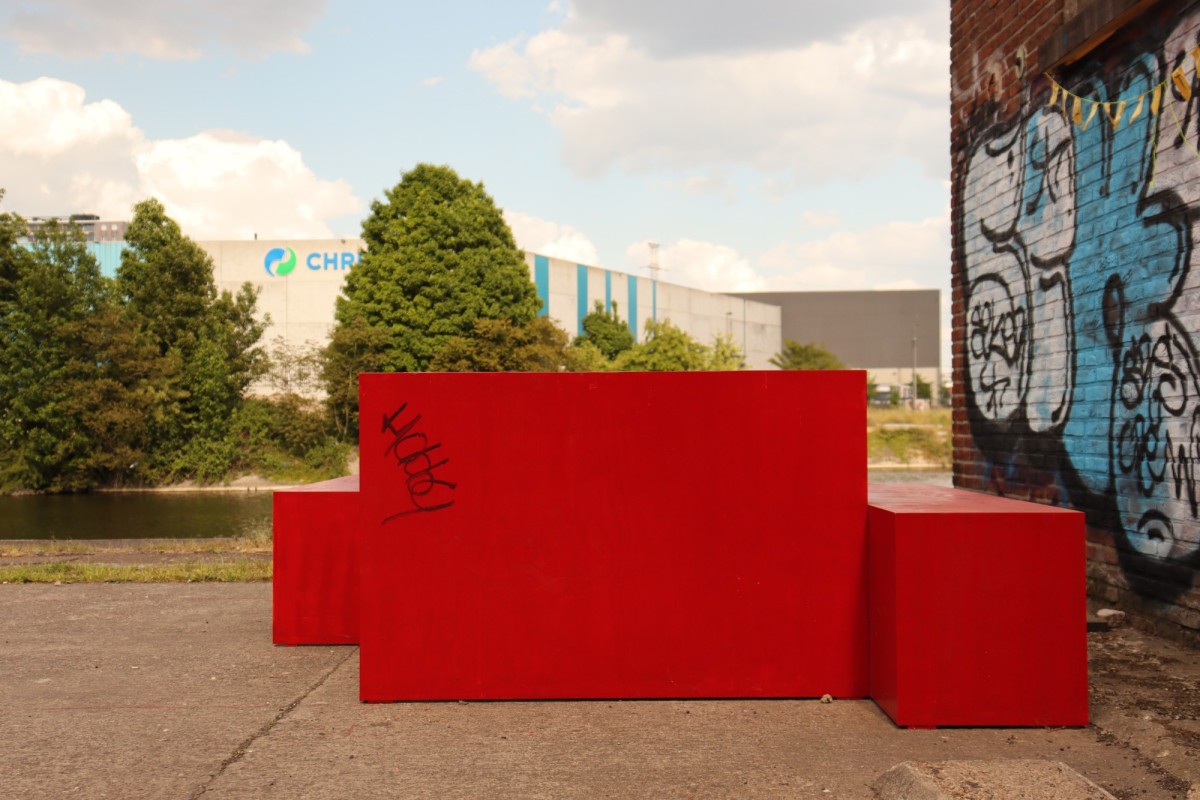
Through the overarching theme ‘Matters of Hospitality’, we explored the idea of absolute hospitality as discussed by Jacques Derrida: “How can we realise unconditional hospitality within the paradoxical tension between unlimited and conditional hospitality?” From the specific context of residual space, we wanted to confront hospitality. We were concerned with the tension between emptiness and the need for space, and with the possibility that in that space the hospitable can take shape. For us, this was translated into the symbol of hospitality: the table.
The table is designed for all kinds of interventions: with openings for additions and extras; the position of the benches responds to the activity: do you join the table or move away from it? The surface can be appropriated by the public space. Giving the table a specific place is not our job, because we are not the host. Moving it around happens because people appropriate the table and feel like hosts; they decide where to put it.