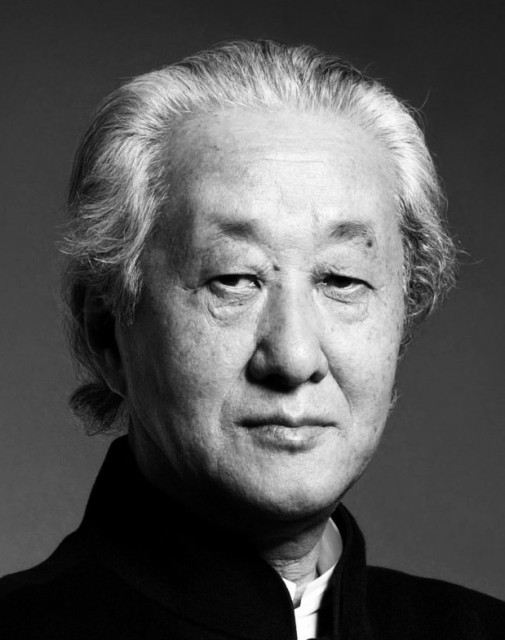
In between: learning from the Japanese concept of ‘MA’
FREE ENTRANCE
Exhibition opening with an opening lecture
Reservations required
In collaboration with:


With the support of:





How can we rethink space by setting aside our ingrained notions of it? Since the Renaissance, space in the West has been defined by linear perspective: a predetermined system in which depth is calculated and the viewer’s position is fixed. Space is presented as a ‘closed’ experience. In contrast, Japanese spatial thinking offers a dynamic and relational understanding of space, in which the viewer plays an active role in perceiving depth – which arises through interaction, movement and time.
Japanese culture is rooted in a deep reverence for nature and embraces the idea of the ‘in-between’: between human and nature, inside and outside, culture and context. This fosters a spatial experience that is constantly changing and open to participation. The concept of ‘MA’, which was introduced to Western audiences by Arata Isozaki in 1978 in his exhibition MA: space – time in Japan, reflects this temporary and relational approach to space. In the studio ‘Learning from Japan: spatial lexicon’, we take these ideas as our starting point and explore possibilities within this intercultural dialogue through reading, interpreting, sketching, drawing, writing… In this way, we develop a ‘spatial lexicon’: this opens up new possibilities for design approaches that are both locally rooted and resonate globally.
 Beeld workshop studio met Mio Tsuneyama & Fuminori Nousaku in De Koer, Gent, 2025
 Karla Schätzle
Interpretatietekening van de Villa Katsura
 Interpretatieve schetsen voor studenten MA1 op bezoek in Louvre Lens, van SANAA architecten.
The exhibition consists of four parts.
The first part focuses on Arata Isozaki’s exhibition, which introduces the concept of ‘ma’ to the West to help people appreciate the distinctiveness of Japanese space. In the 1970s, there was enormous interest and curiosity as to why Japanese architecture was so different. Isozaki has a highly distinctive approach to upholding the mystique surrounding Japanese space. The exhibition caused a sensation and travelled around the world. Isozaki introduced seven spatial concepts (to which he later added two more) that were intended to be experienced in an atmospheric and experiential way. In an evocative manner, visitors learn to understand ‘ma’ from various perspectives.
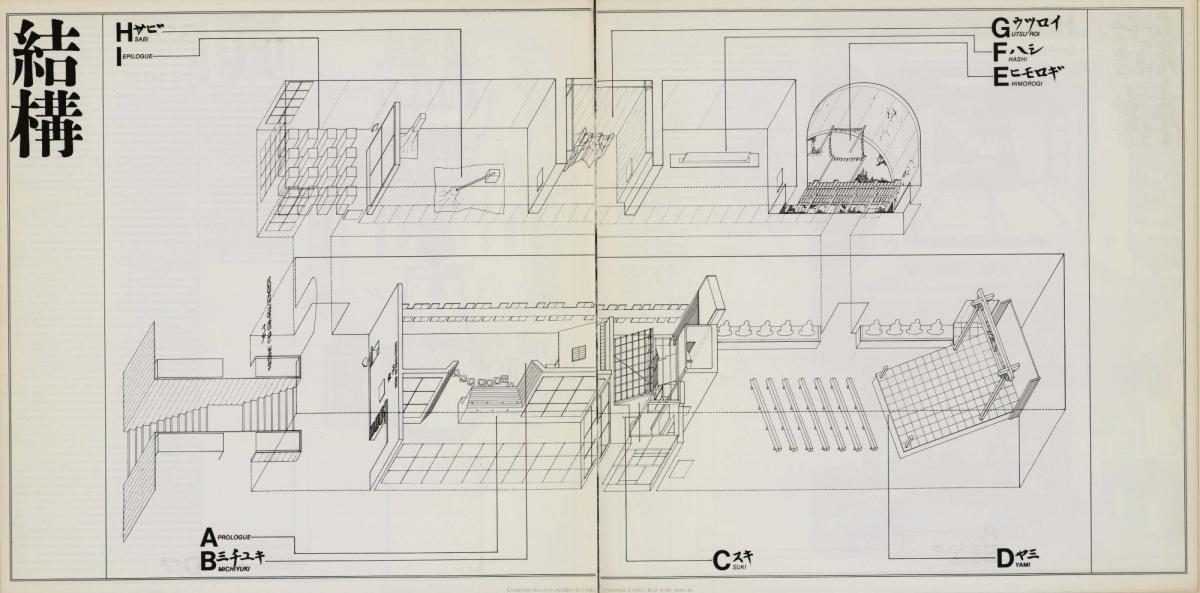 ARATA ISOZAKI
MA Espace-Temps du Japon, catalogue 1978
The second part focuses on 10 contemporary architects, particularly the younger generation, with Toyo Ito as their figurehead. They, too, employ architectural language – in the form of words and drawings – to express a spatial strategy. What do they stand for? How does the past live on? What is their vision? How can they convey a message within today’s architectural discourse?
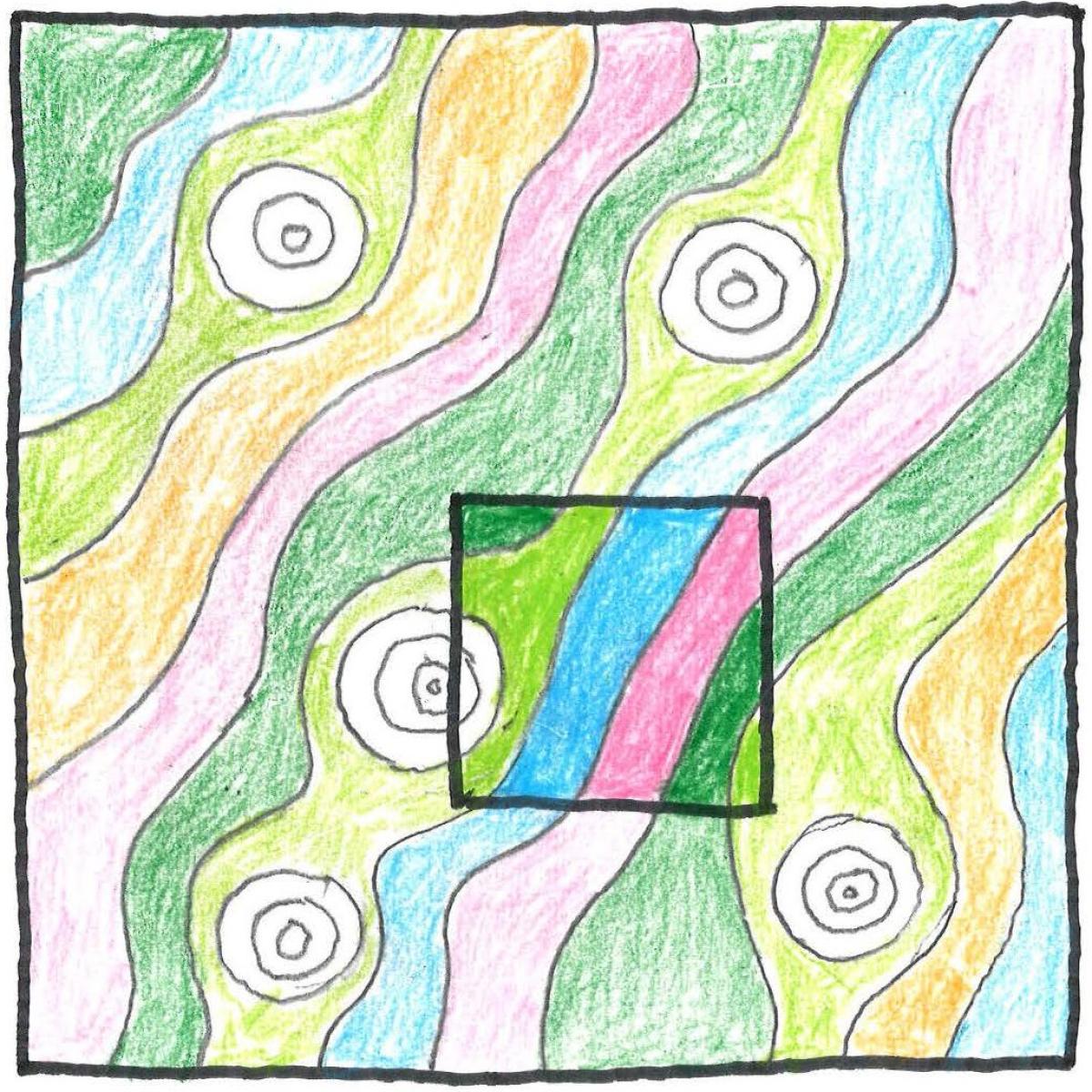 TOYO ITO
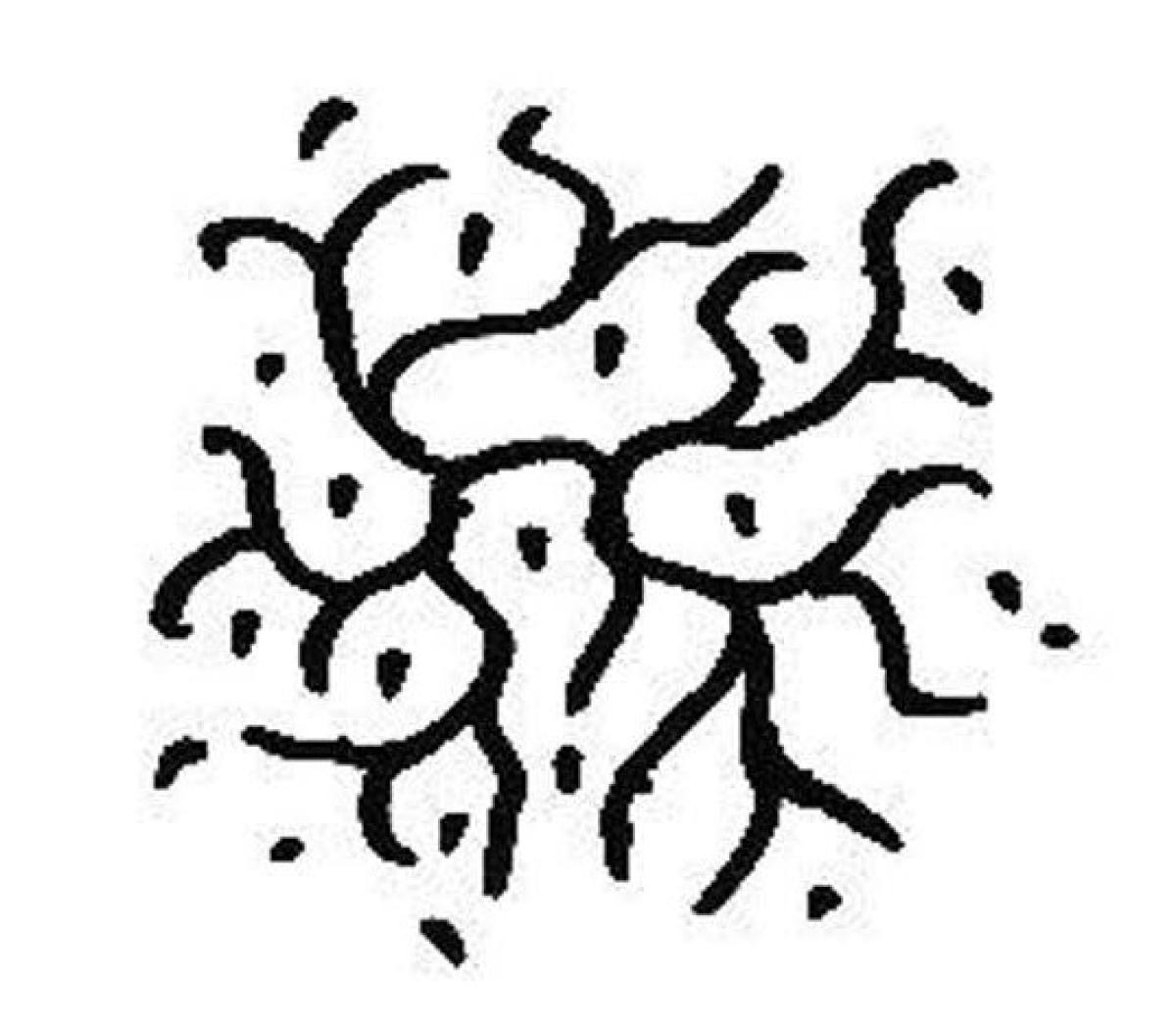 Akihisa Hirata
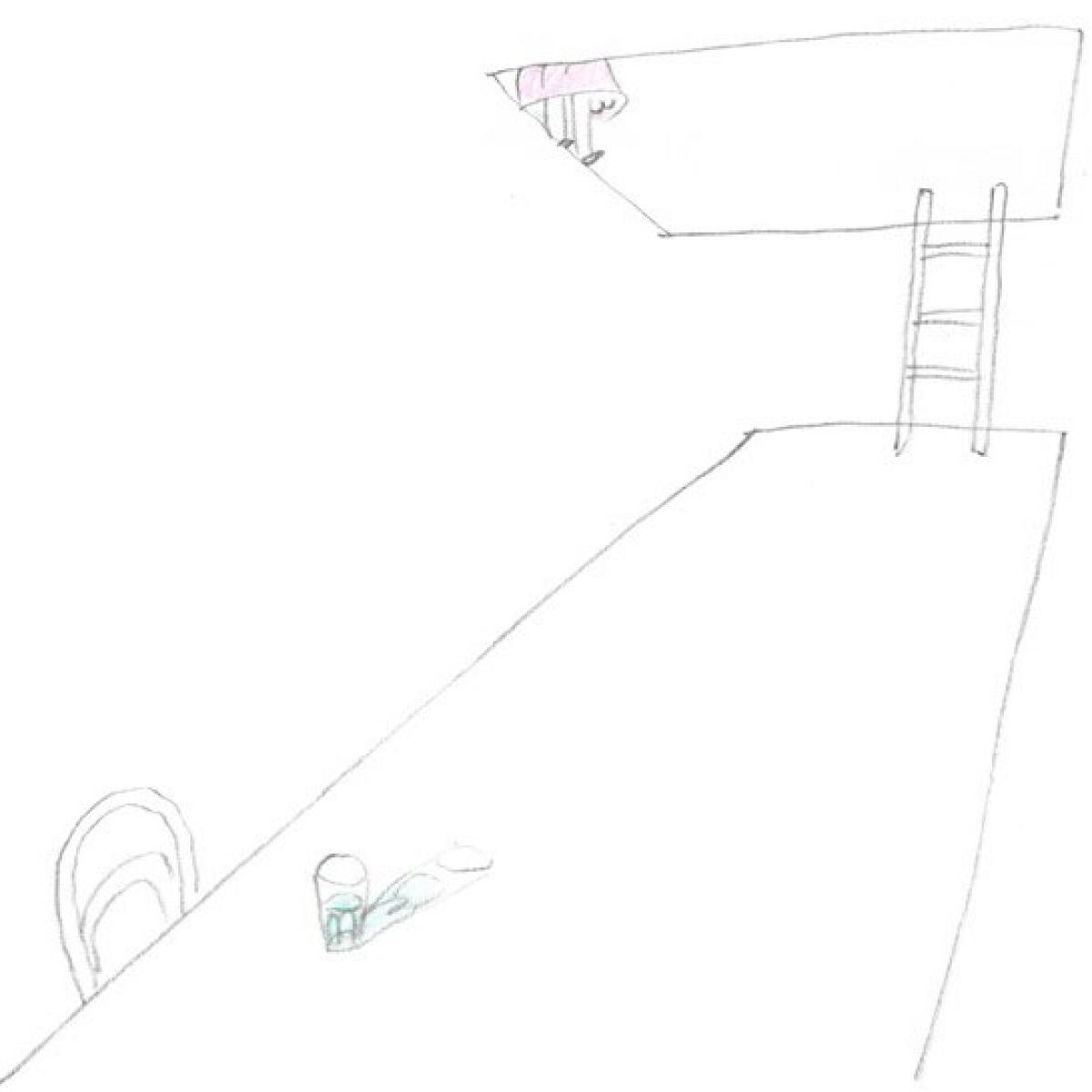 HIDEYUKI NAKAYAMA
The third part showcases students’ research, building on the foundations laid in the first two parts. To this end, they conduct spatial research into the Katsura Villa, Isozaki’s exhibition, Kazuo Shinohara’s Umbrella House (rebuilt at the Vitra Museum), SANAA’s Louvre Lens museum and many other projects by Japanese architects in Europe. Through sketches, drawings, texts, reflections, models and more, students seek to capture the spatial impact of the Japanese architectural discourse.
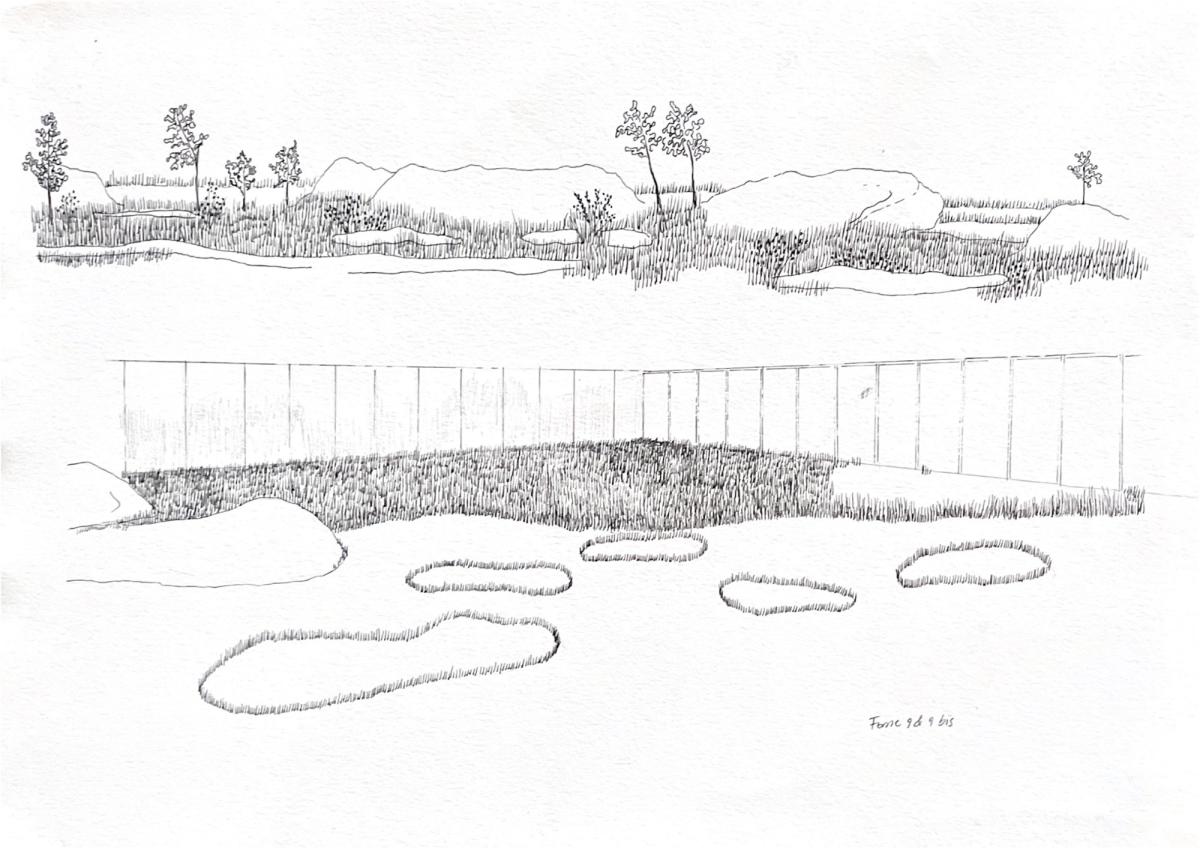 Louvre-Lens, drawing of Elina Leeuws
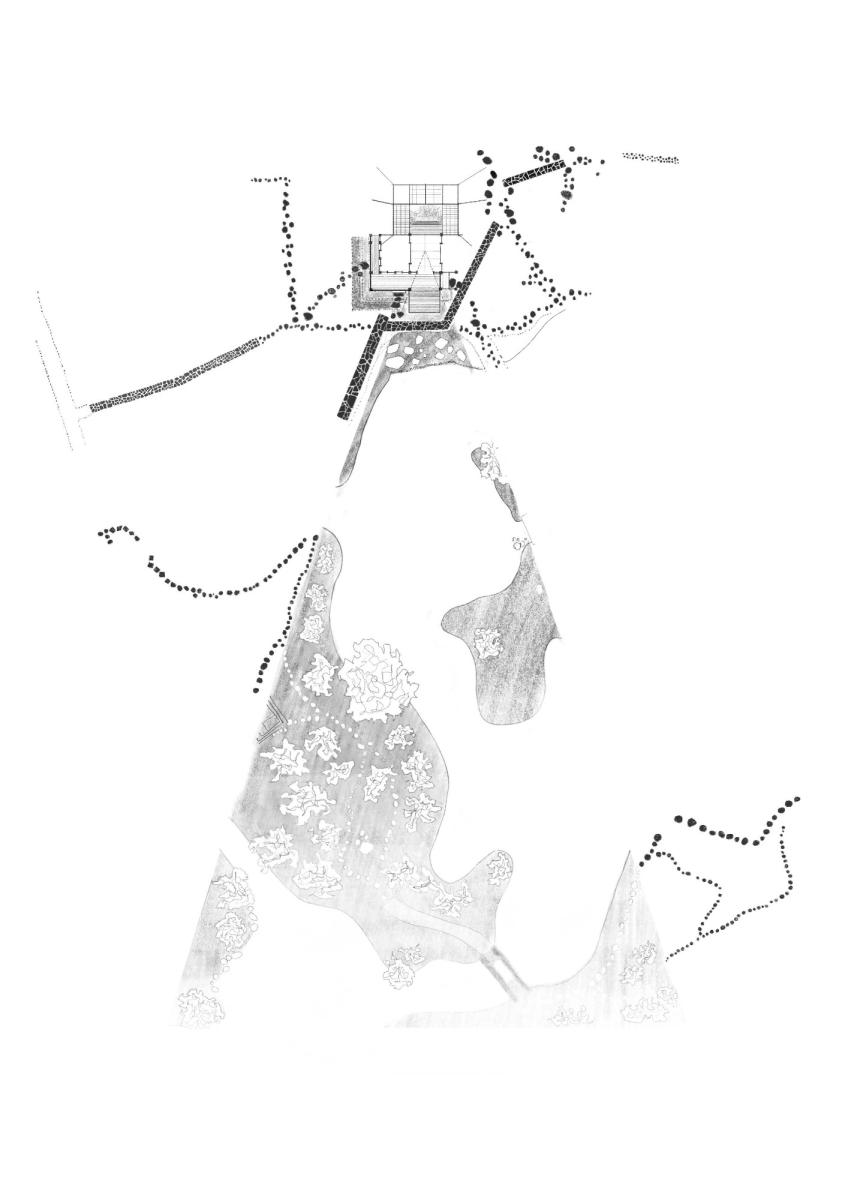 Katsura Imperial Villa, drawing of Sébastien Carbonez
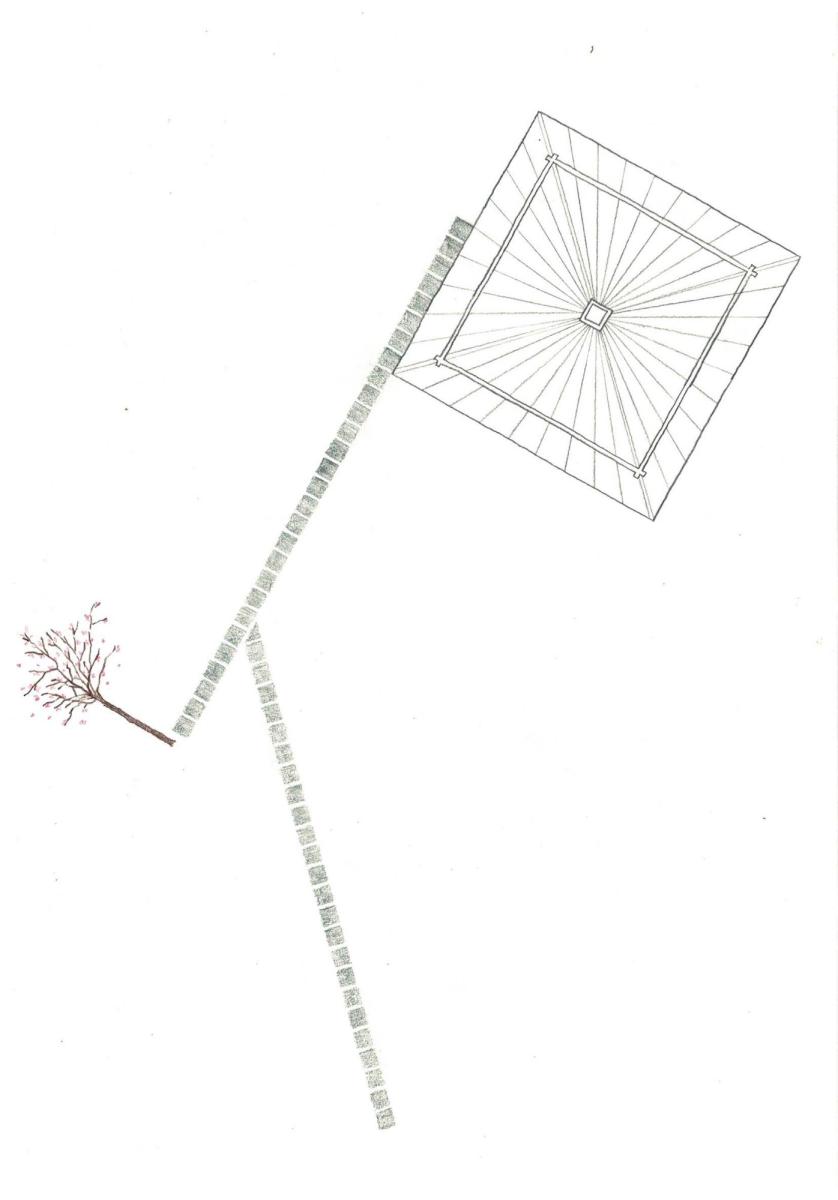 The Umbrella House, drawing of Joseph Liu
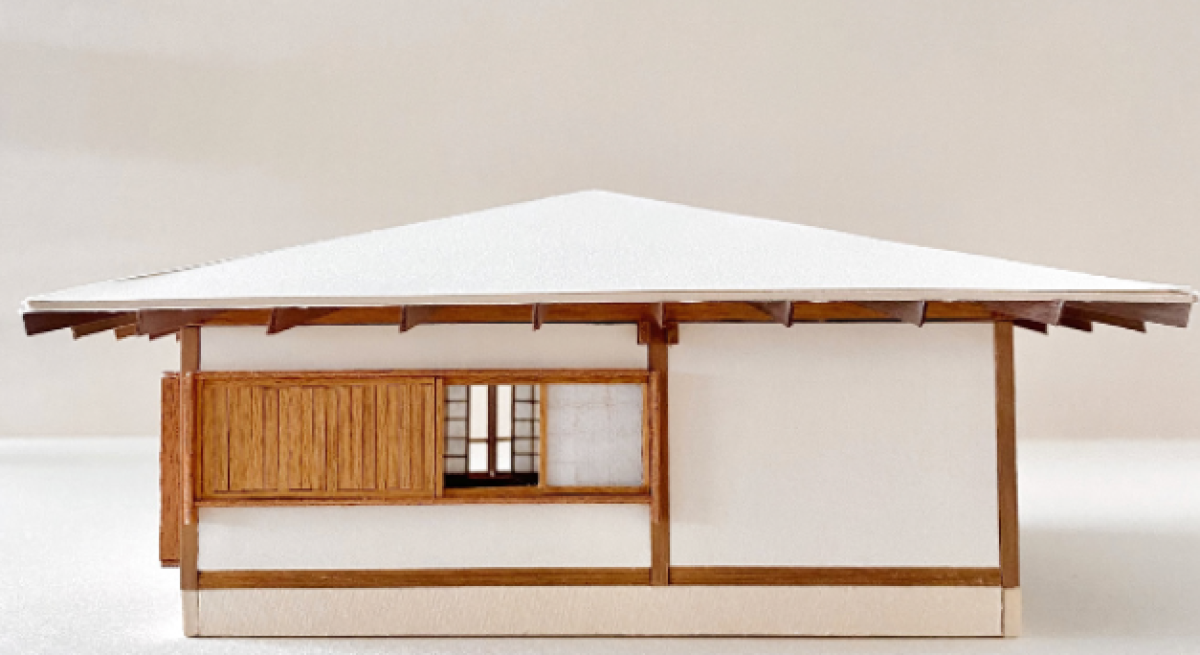 The Umbrella House, maquette of Laure Ketelers
The fourth part showcases student work, illustrating how they are inspired and stimulated by ‘Learning from Japan’ to develop their own architectural language.
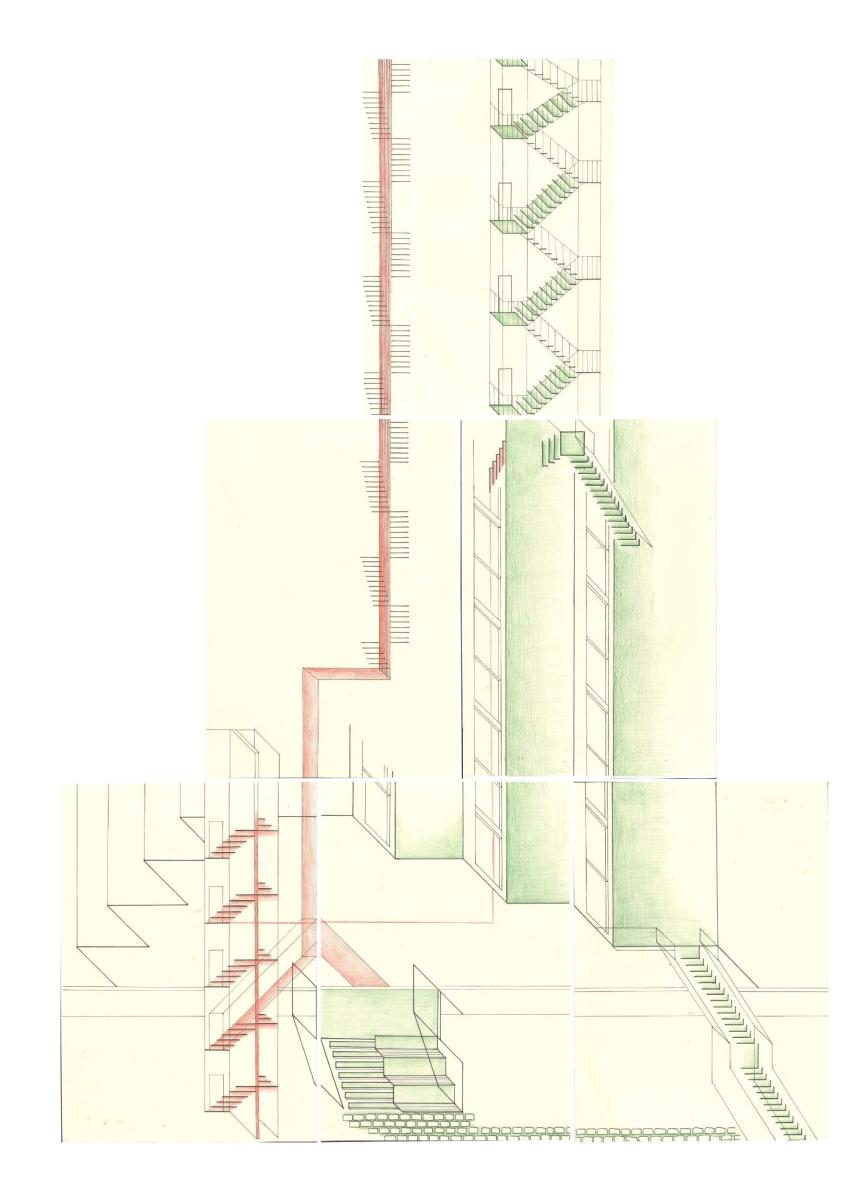 Drawing of Panjie Chen
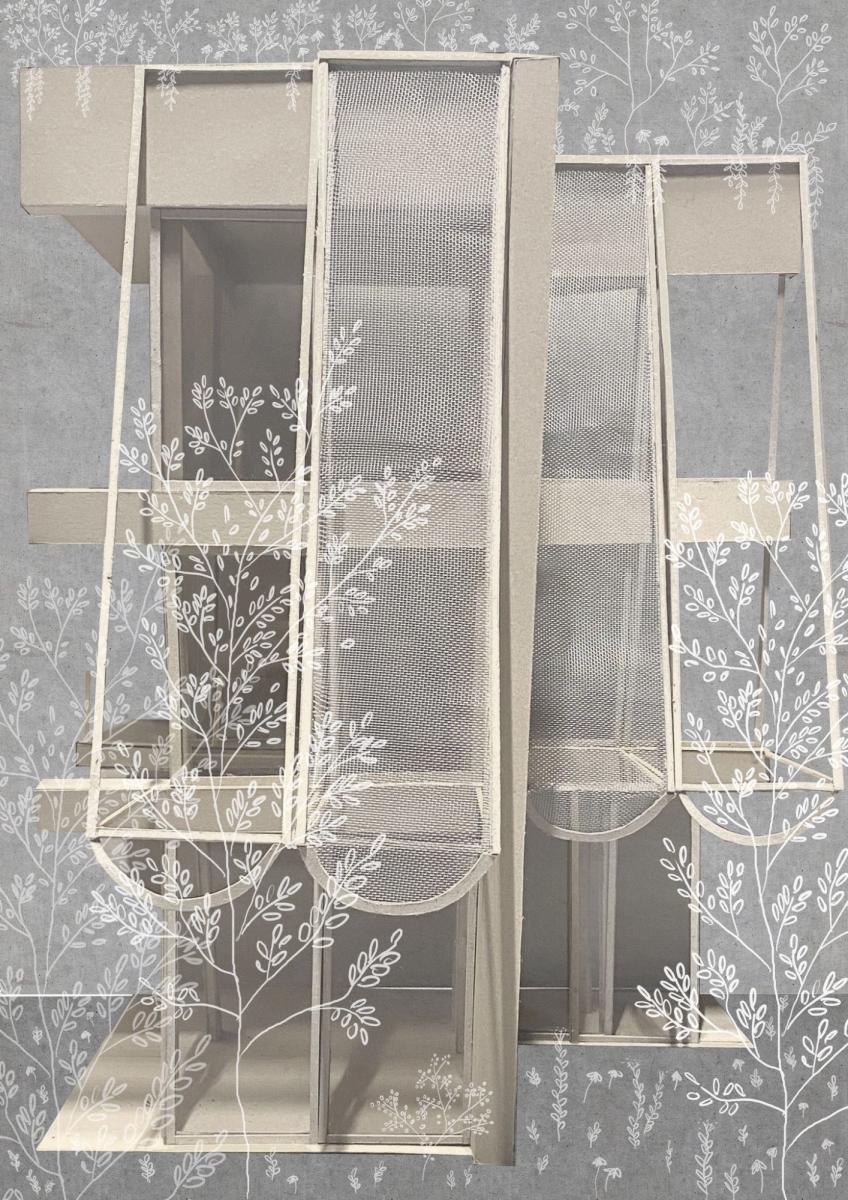 Maquette of Hana Korytarova en Csenge Plander
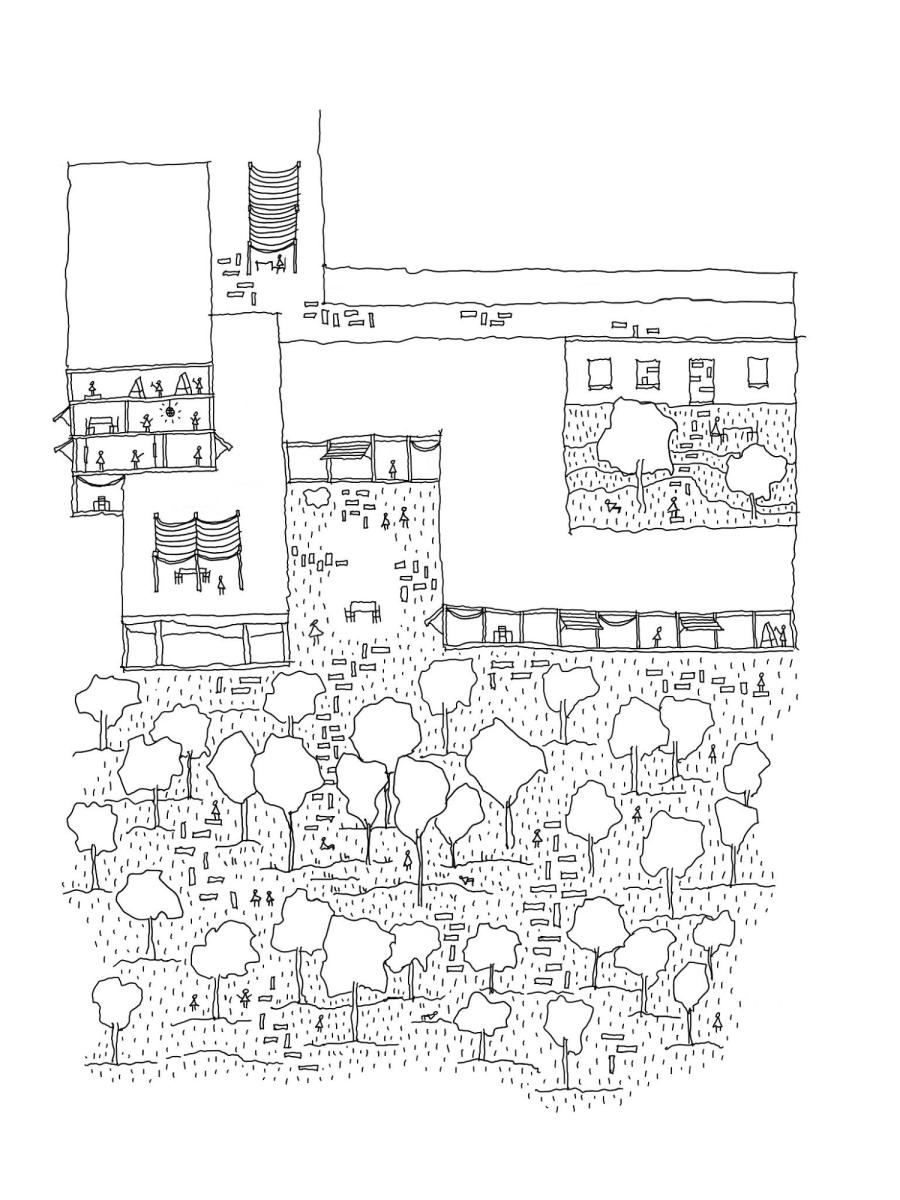 Drawing of Rieke Dekoninck
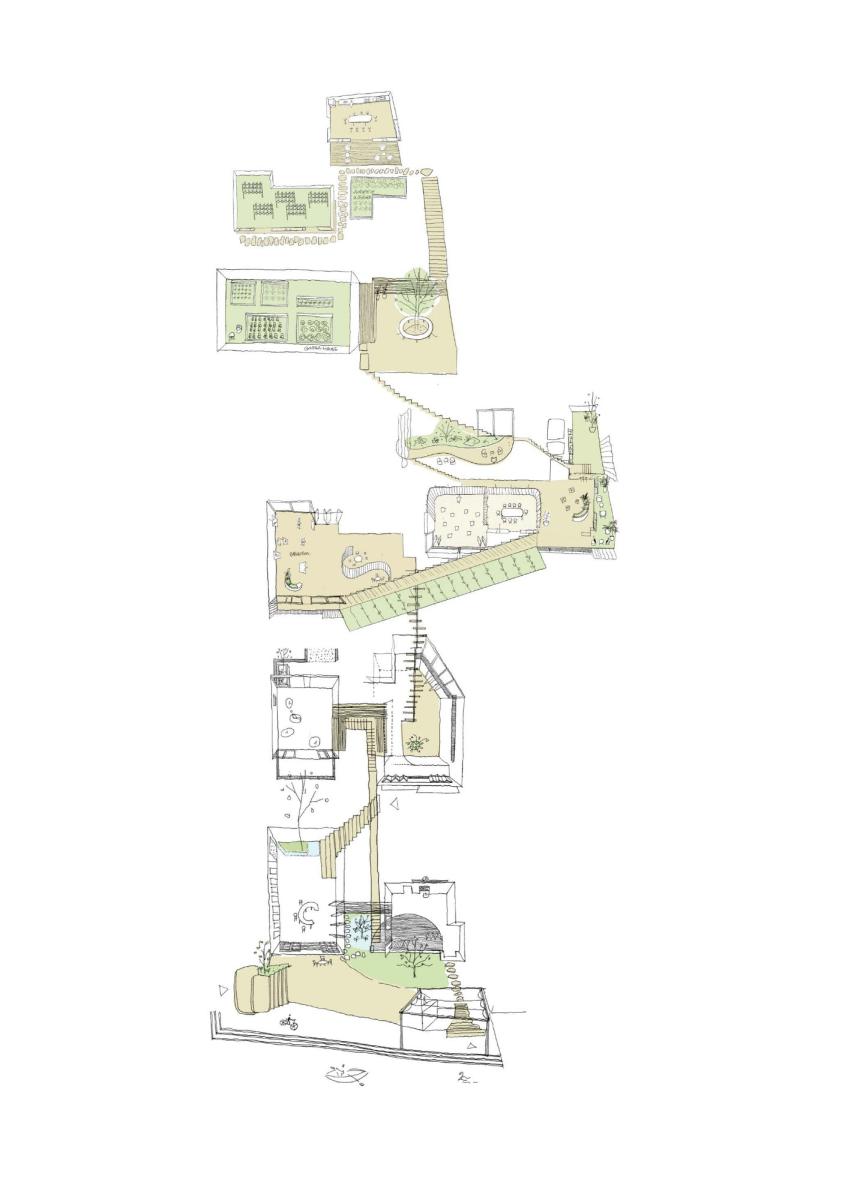 Drawing of Ying Sun
Programme
- Thursday 10 December at 8.00 pm: exhibition opening with an opening talk by Hera Van Sande, followed by a tour of the exhibition
- Wednesday 16 December: open jury session for MA1 studio ‘Learning from Japan’, in the corridor leading to the exhibition space; open to the public from 9.00 am to 6.00 pm
- Friday 11 December – Friday 18 December: the exhibition is open from 2.00 pm to 6.00 pm
Various guided tours will be organised, please enquire by emailing hera@archipelvzw.be