Land//Lines
Using the city’s topography to open the ground for more sustainable water management: a proposal for an alternative //new// water connection system in Brussels.
Rapid industrialisation and population growth have left cities burdened with waste and dependent on dense networks of infrastructure — from sewers and roads to underground metros. In this process, water and nature have been sidelined: less able to clean themselves, less able to regenerate. Whether we like it or not, we must now take on this role ourselves, ensuring we do not undermine the very systems that sustain (our) life.
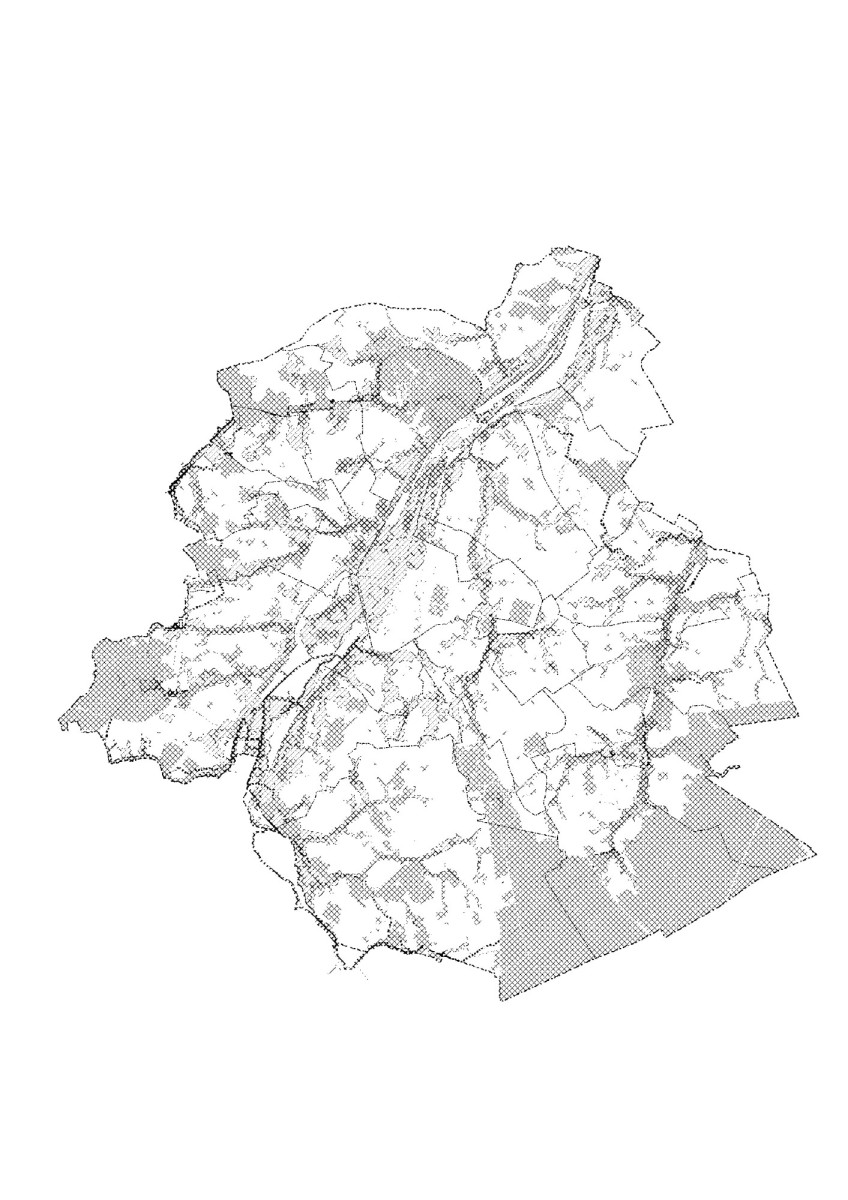
My thesis focuses on the fragile nature of Brussels, a city whose unique topography defines its character. Built within a valley, its historic centre — the “pentagon” — unfolds across a hillside running west to east. What sparked my inquiry, however, was the striking absence of the Senne, the natural river that once shaped the city’s development. Its disappearance led me to ask: why has such a defining feature been erased, and what might its return — or reinvention — mean for the city today?
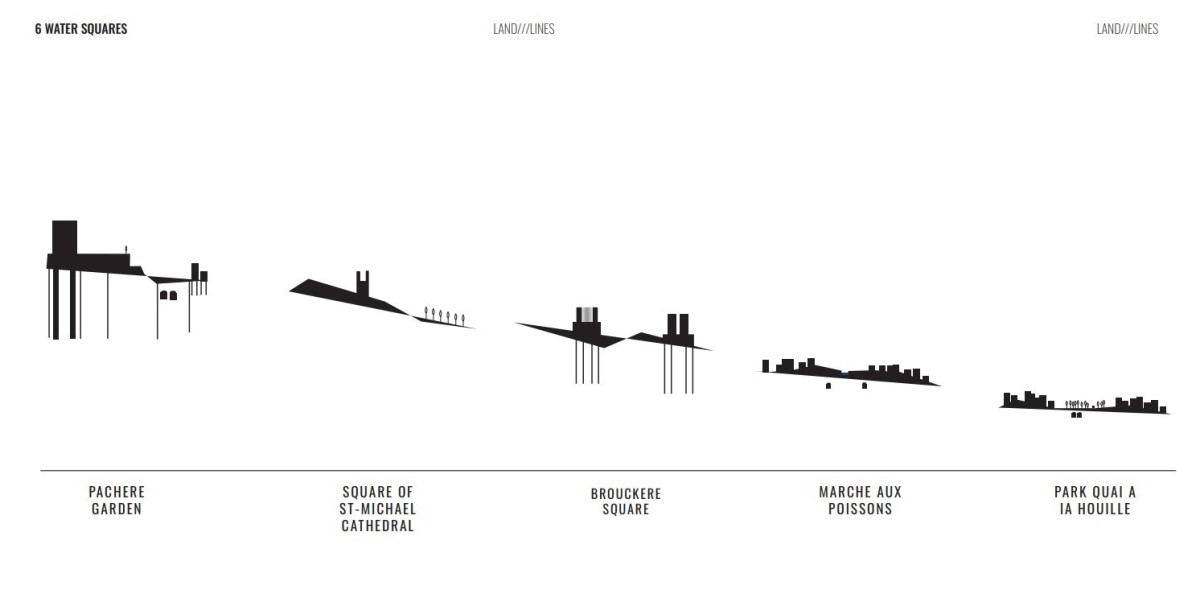
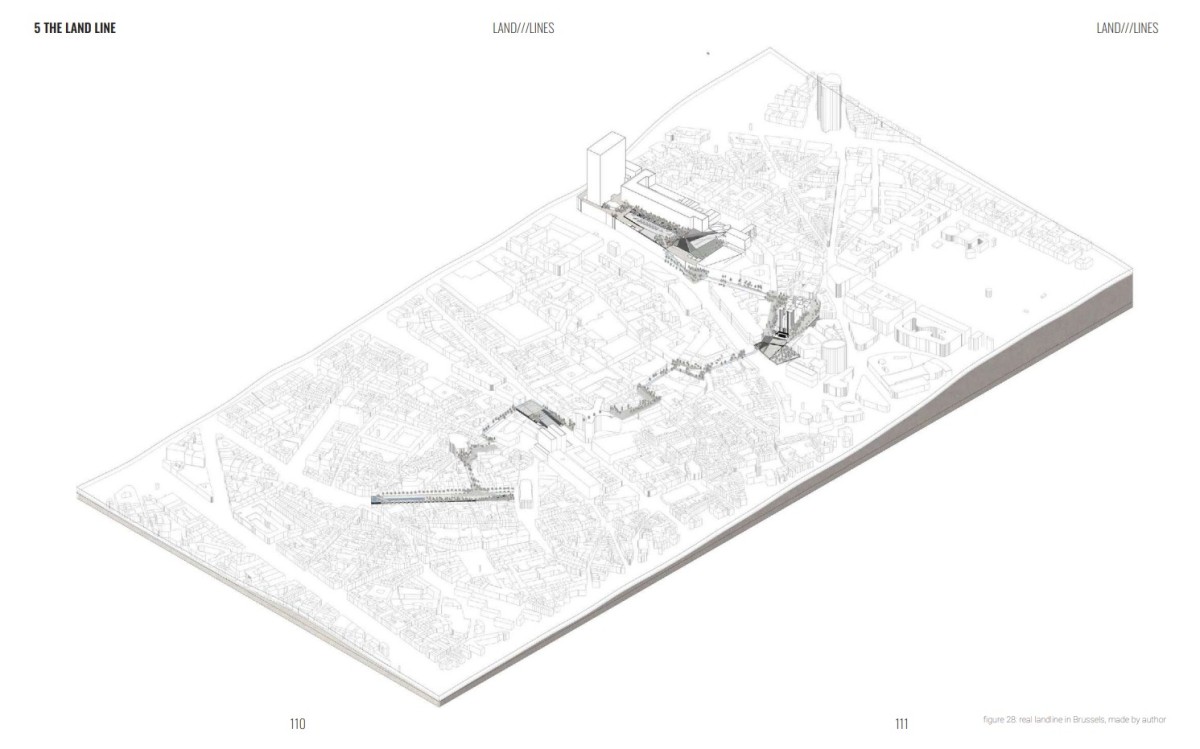
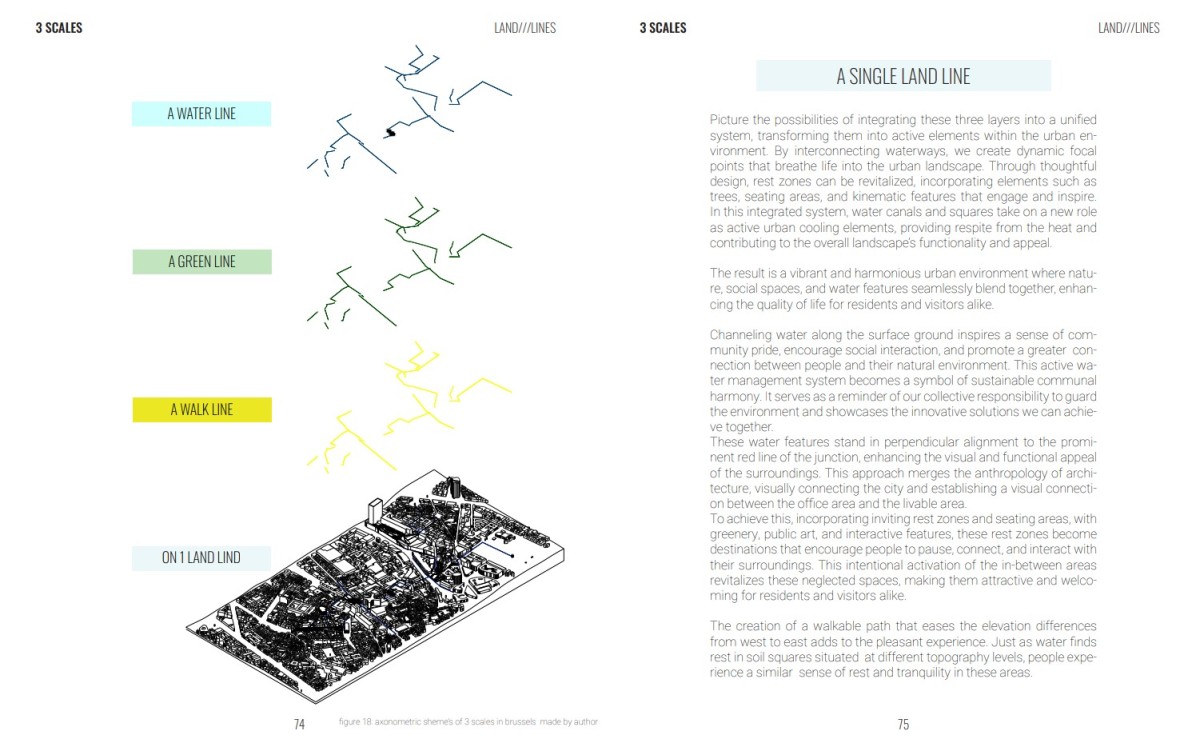
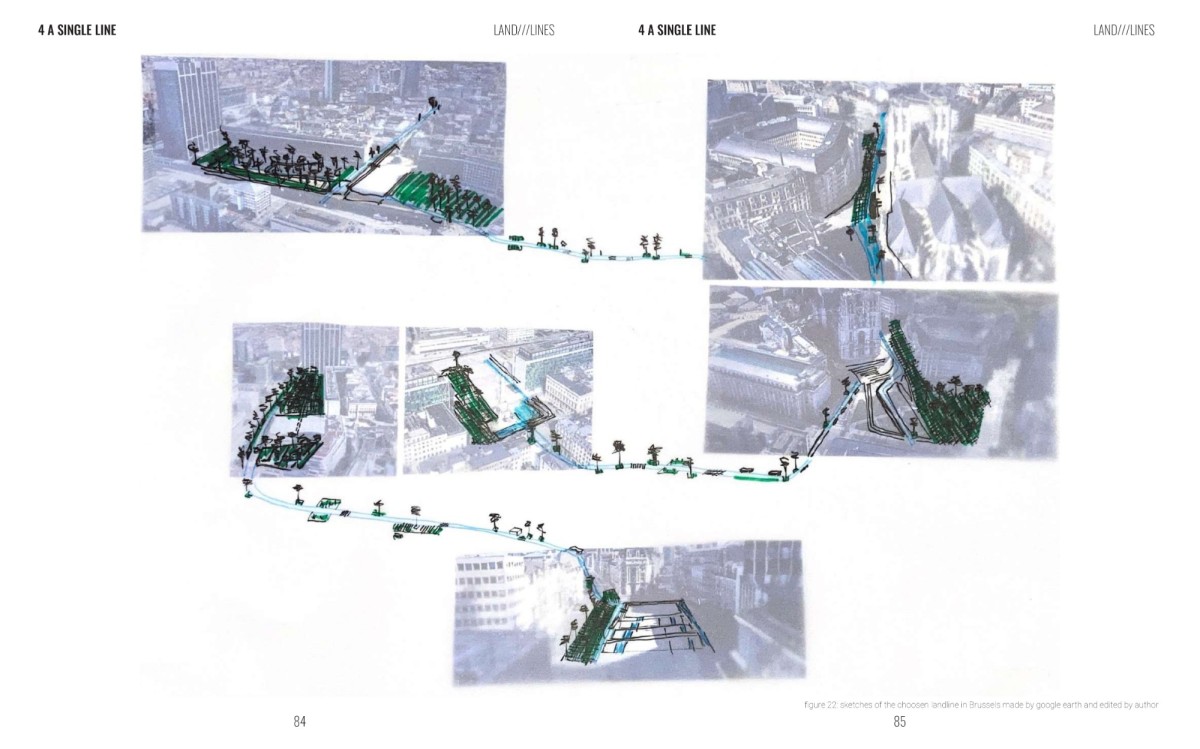
This project proposes a new water connection system that channels surface water from the higher parts of Brussels down towards the lower city. By reopening the hardened surfaces of the urban heat island, the design seeks not only to manage water more sustainably but also to create new public spaces that foster social interaction. The system combines rainwater with locally purified wastewater, creating a resilient and decentralised source of water for communities. In doing so, it reimagines Brussels as a city where water once again becomes visible, connective, and regenerative.