Retaking Recollecting landscapes
This research examines the evolution of the landscape around the Galgeschoor in Lillo, Antwerp, through the photographic project Recollecting Landscapes. Today an enclave within the Port of Antwerp, this area illustrates the ongoing tension between nature, industry, and heritage.
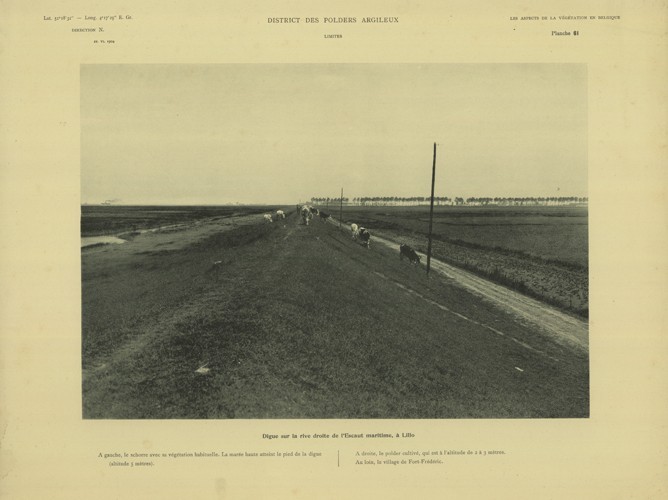 1904 – Jean Massart
Research by Lillo Galgeschoor
1904 – Jean Massart
Research by Lillo Galgeschoor
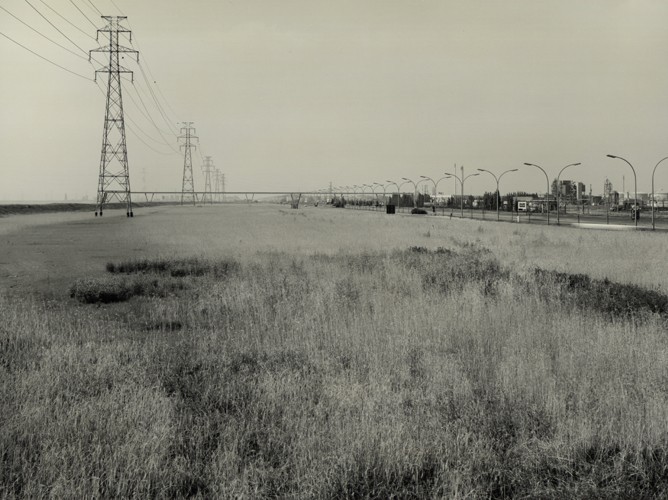 1980 – Georges Charlier
Research by Lillo Galgeschoor
1980 – Georges Charlier
Research by Lillo Galgeschoor
Lillo
Historically, Lillo developed from a diked agricultural area with a strategic fort into a protected village heritage site, now enclosed by port infrastructure. While nearby Doel is under pressure and largely depopulated, Lillo has been better preserved thanks to its position within the fort structure. Yet even here, the relationship between industry, nature, and residents remains tense.
Several current projects help shape Lillo’s future. The Lillo Masterplan aims to restore the fort according to a historical plan from 1815. The dikes will be raised by three meters, while parking areas and the marina will be relocated outside the fortified zone. A new cycling path will be added on top of the dike, as part of the broader Sigma Plan, which seeks to protect Flanders from flooding while promoting nature development.
At the same time, the chemical company INEOS is constructing a large-scale ethane cracker in the port as part of Project ONE. Although presented as energy-efficient, the project has drawn substantial criticism due to its climate and nitrogen impact, as well as its reliance on fossil fuels. Together with other port expansions, this increases the pressure on the surrounding landscape.
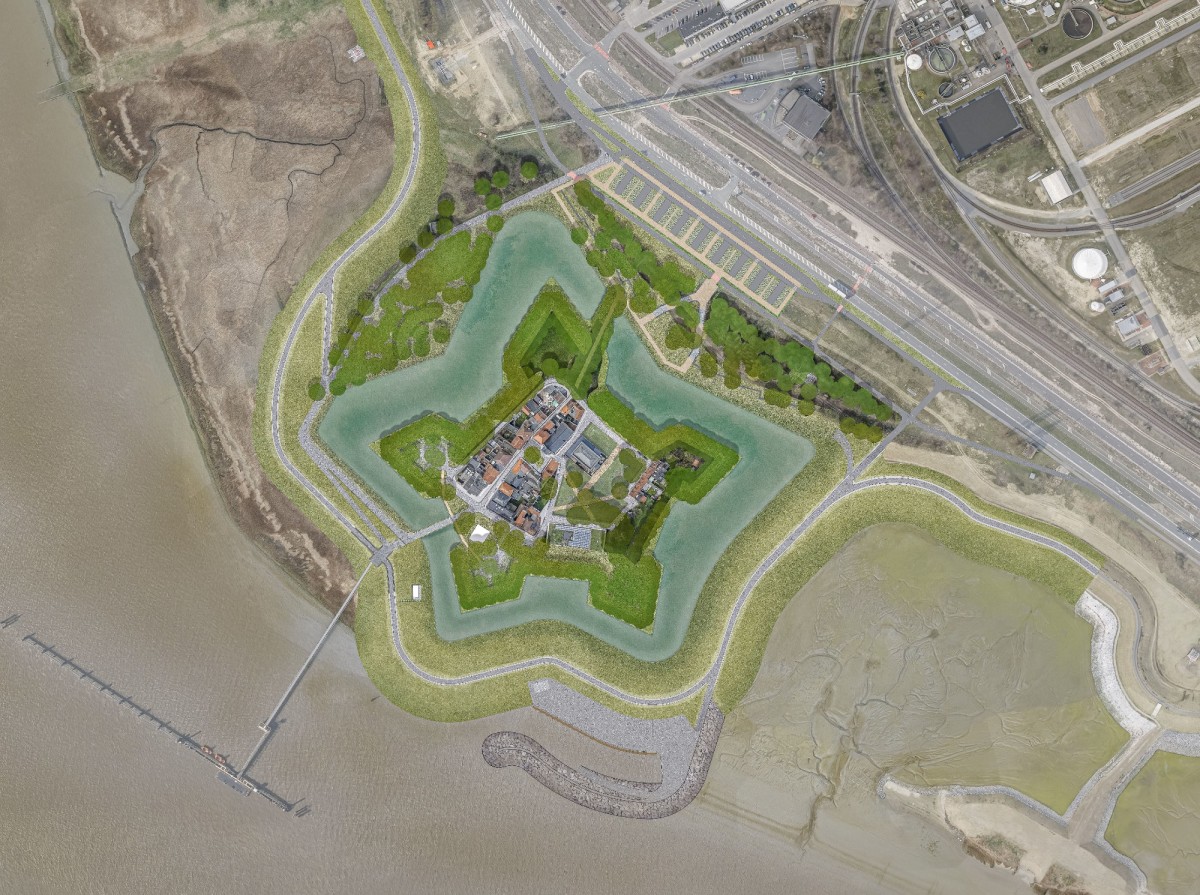 2022 – Cluster + Sweco
Research by Lillo Galgeschoor
2022 – Cluster + Sweco
Research by Lillo Galgeschoor
The marsh harrier threatened
During the site visits, the contrasts became strikingly clear. On one side, industry dominates: flat, utilitarian, and tightly controlled. On the other side, a lusher piece of nature emerges, where spontaneous growth is still possible. Interviews confirmed this tension: a researcher from the Institute for Nature and Forest Research pointed to the severe decline in bird populations due to fragmentation, while a resident recalled the transformation of Lillo from a fishing village into an enclave within the port.
Within this context, questions arise regarding the proposed dike elevation. The current dikes already serve an ecological role as lookout points for birds of prey such as the marsh harrier. Modifying them risks disrupting this function. Therefore, this research proposes an alternative future scenario: constructing a new, elevated dike in a less vulnerable area, parallel to the existing one. This allows the current dike to be preserved as an ecologically valuable element.
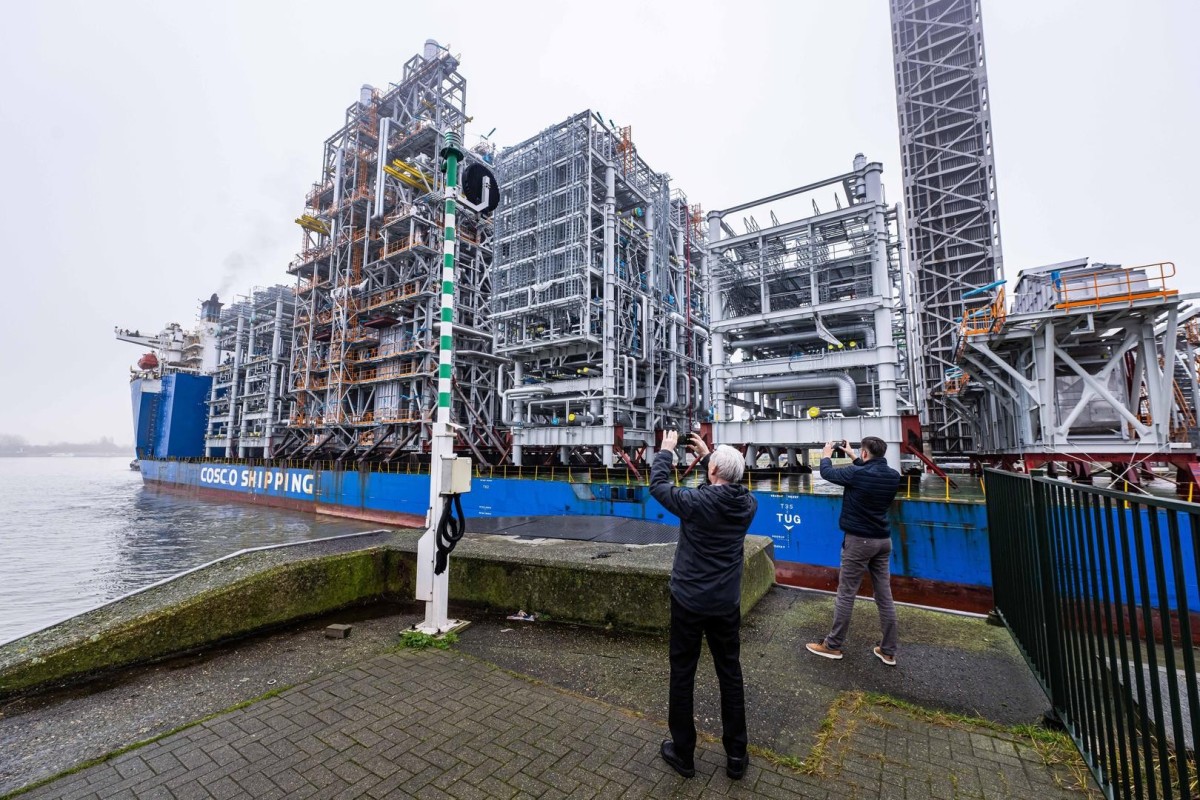 BELGA
Research by Lillo Galgeschoor
BELGA
Research by Lillo Galgeschoor
A hypothetical future vision
In this proposal, the underground pipelines of the petrochemical industry are brought above ground on pipe bridges above the cycling path. In this way, the industrial presence is not hidden but visibly and meaningfully integrated. The pipelines can function as shelter, a point of orientation, and even a place for bird observation, creating a transitional zone where nature, industry, and recreation do not compete but come together in balance.
This future vision requires sustainable collaboration between industry, government, nature organizations, and residents. In doing so, the dike can become more than a functional element: a mediated place that respects heritage, supports nature, and enables recreation within a landscape that remains in constant transformation.
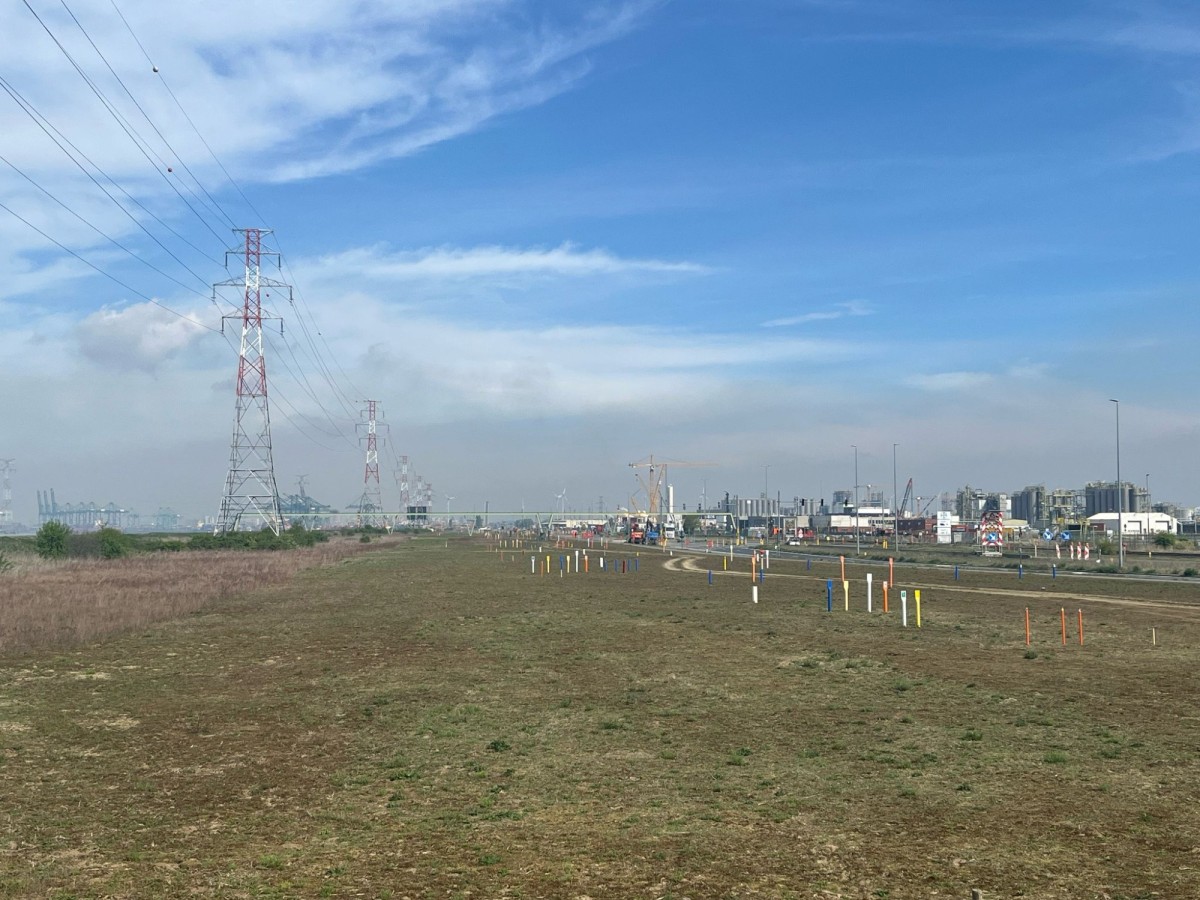 2014 - Michiel De Cleene
Research by Lillo Galgeschoor
2014 - Michiel De Cleene
Research by Lillo Galgeschoor
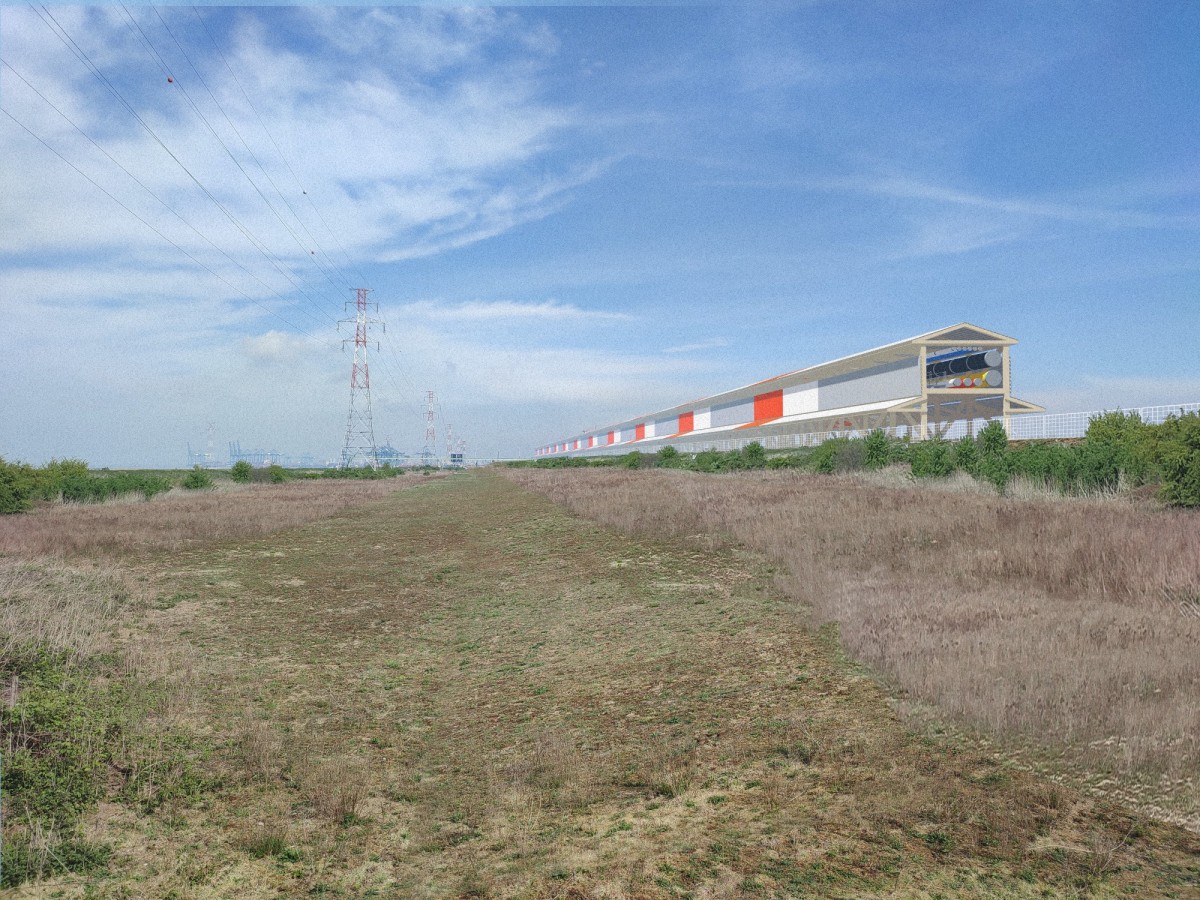 Research by Lillo Galgeschoor