Somewhere In Between
The Hardangerfjord region, known for its sublime natural landscape, features steep mountains plunging into deep waters, creating a dramatic setting long celebrated by visitors and artists. This scenery famously inspired a generation of Norwegian painters and helped shape a national perception of nature as something to be admired and preserved. Yet this romantic image turned into a more complex reality. As perceptions evolved, natural admiration turned into exploitation . The arrival of hydropower in 1906 marked a pivotal shift toward an era of intensive industry.
 Thomas De Loof
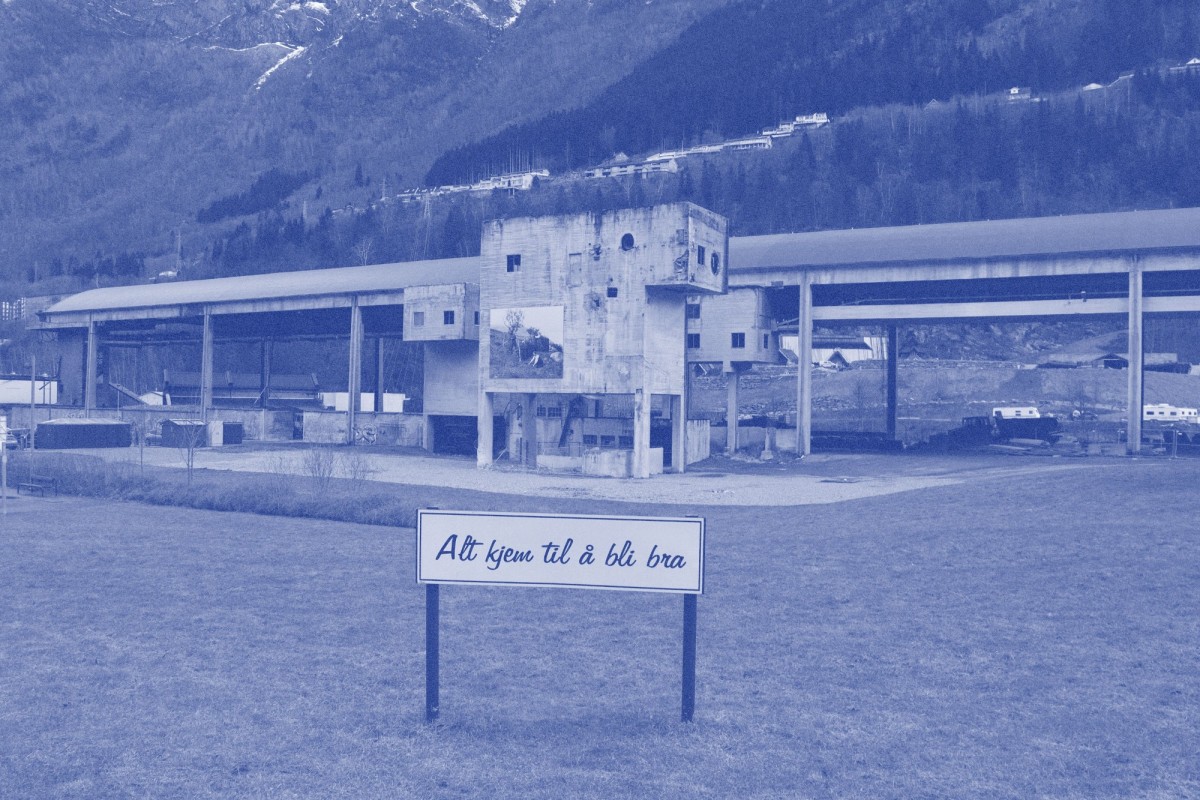
Alt kjem til
Thomas De Loof
Alt kjem til
 Thomas De Loof
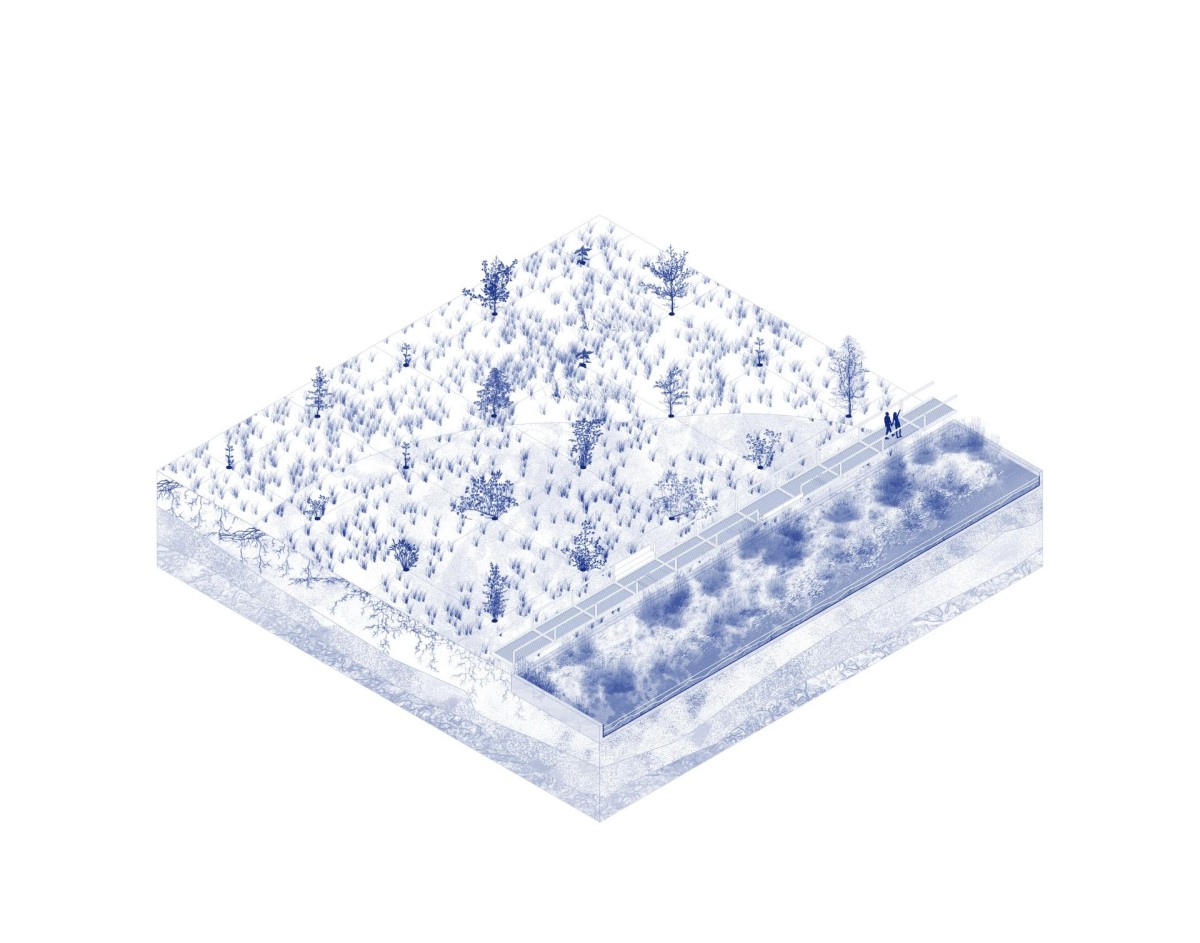
Frame O
Thomas De Loof
Frame O
 Thomas De Loof
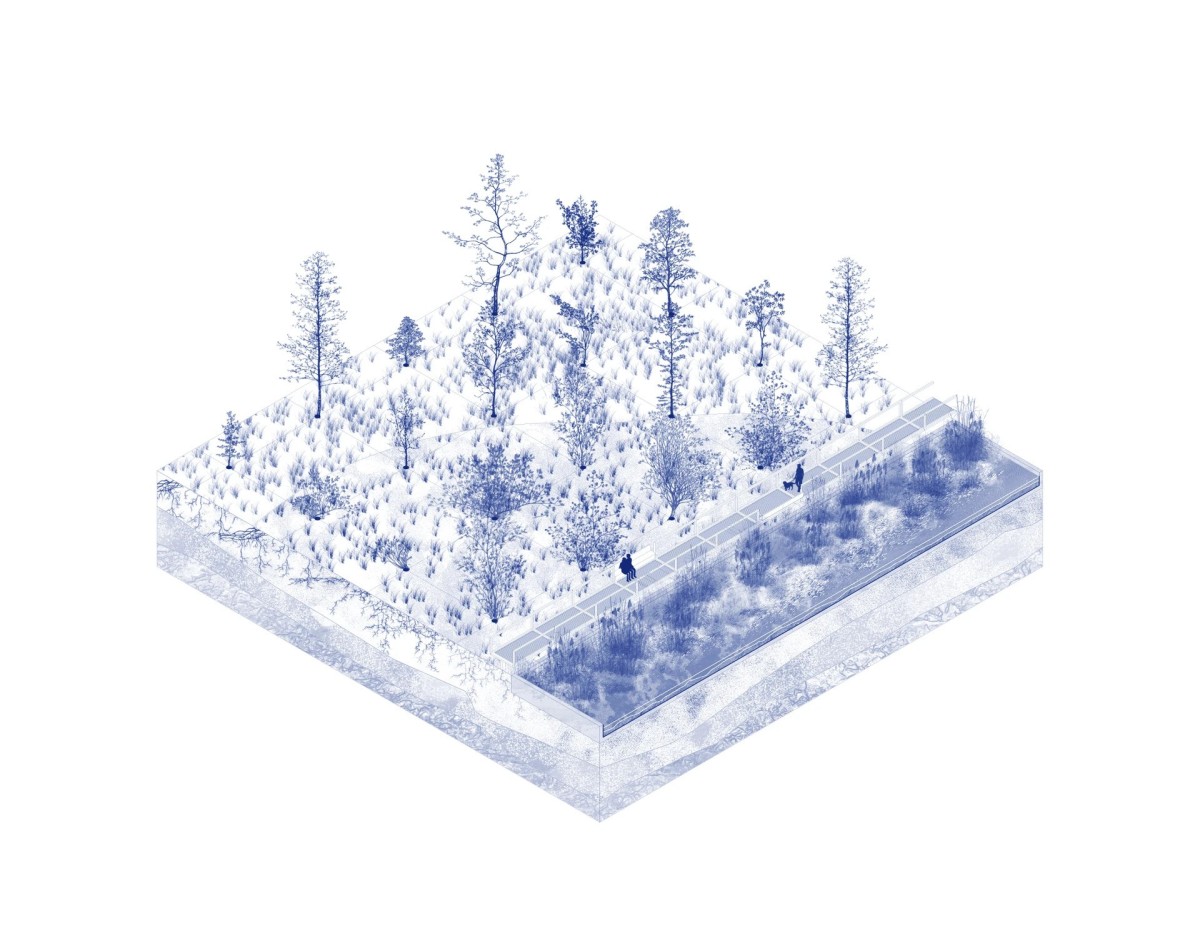
Frame 1
Thomas De Loof
Frame 1
 Thomas De Loof
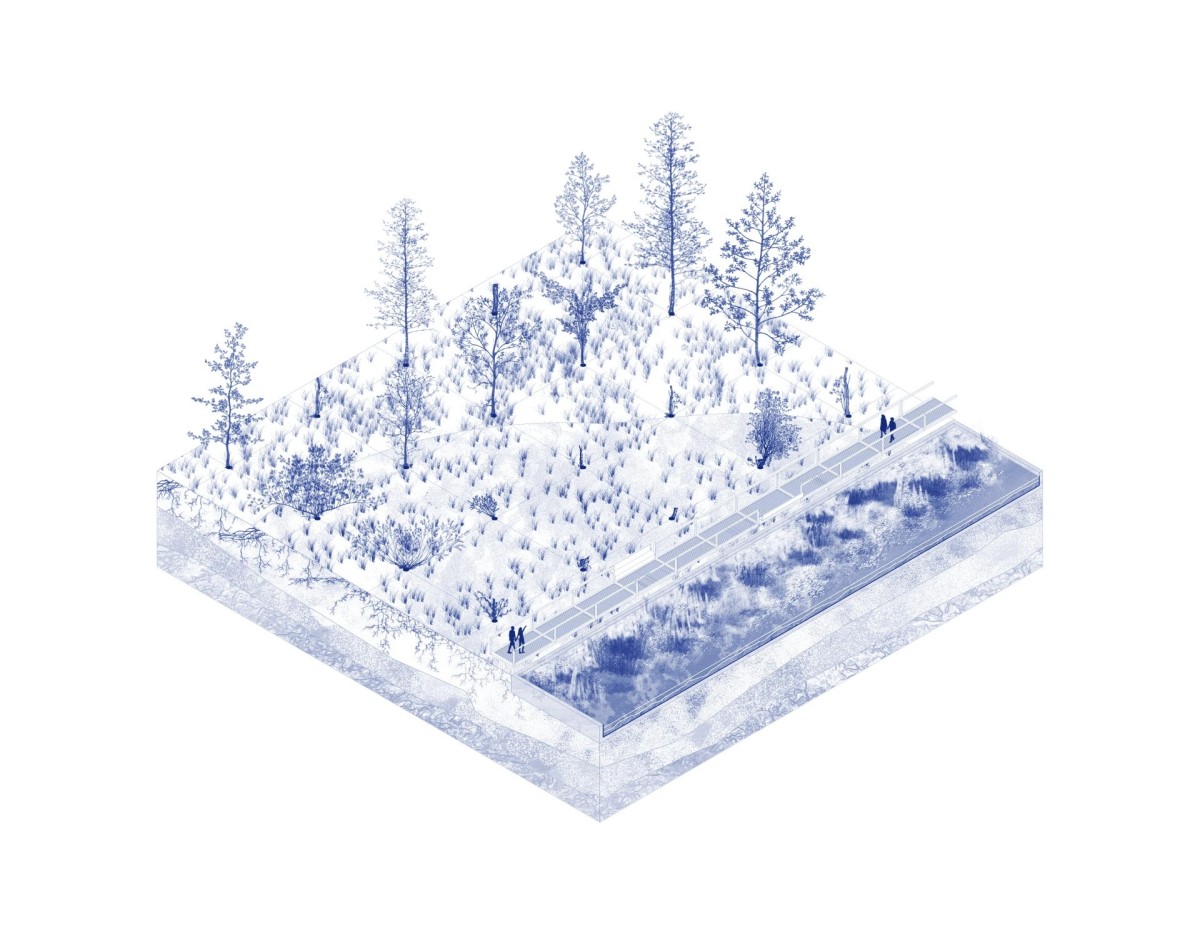
Frame 2
Thomas De Loof
Frame 2
 Thomas De Loof
Frame 3
Thomas De Loof
Frame 3
Odda, at the heart of this transformation, now stands between the scars of its industrial past and an uncertain future. Nearly a century of heavy industry has left a lasting imprint on both the landscape and urban fabric. After the carbide and cyanamide factory closed in 2003, Odda was left with a large, contaminated void, an environmental and spatial tear within the town’s center.
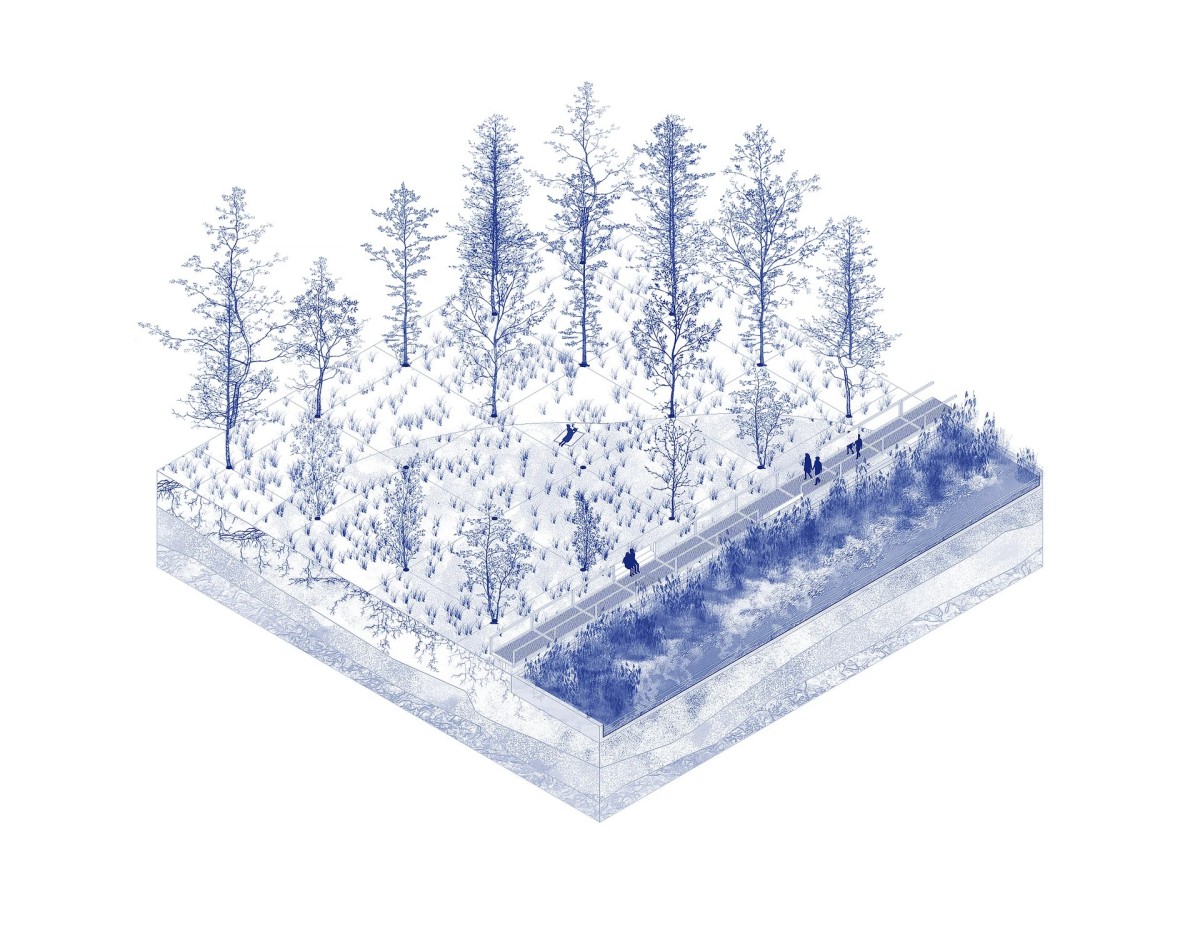
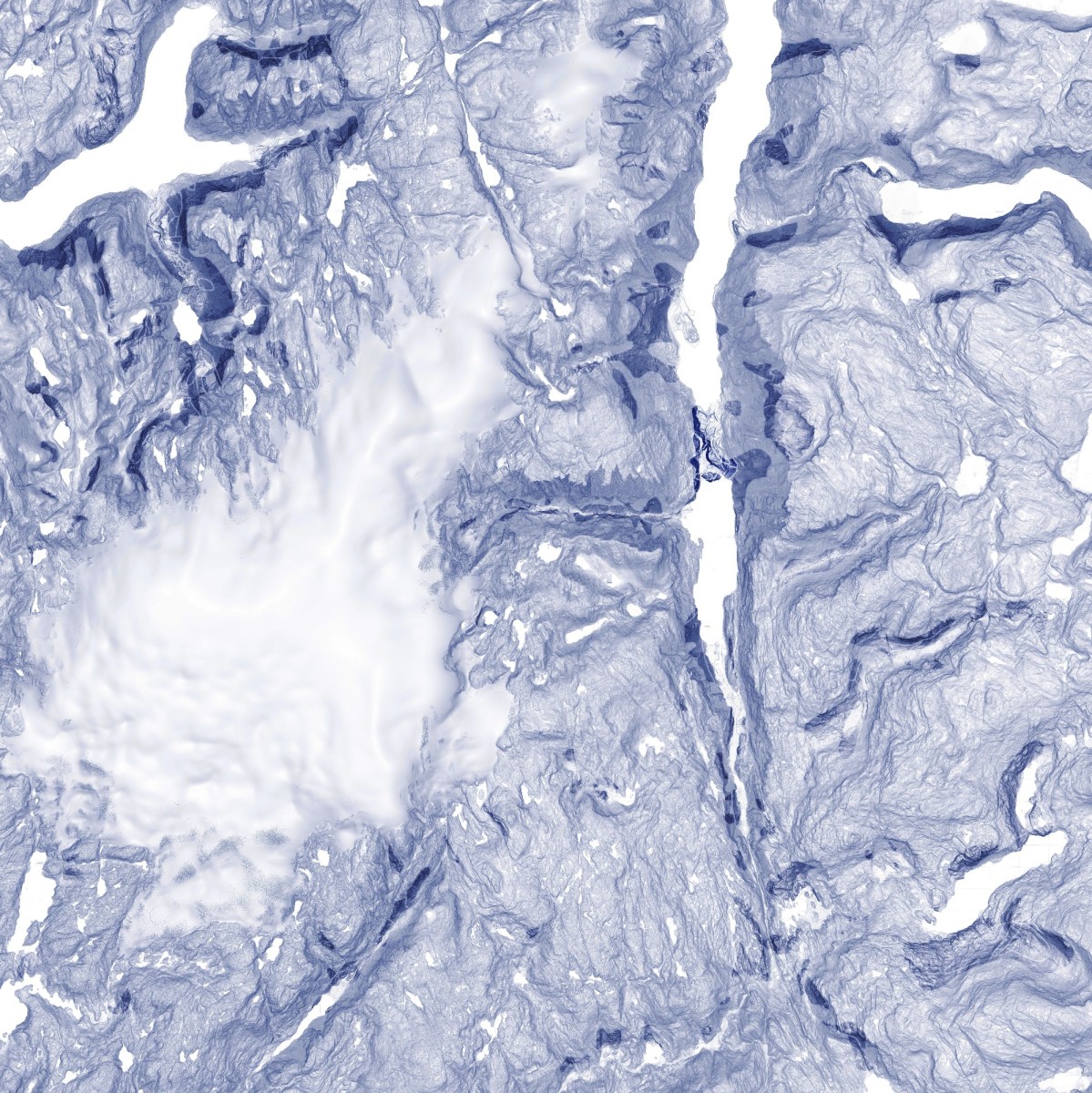
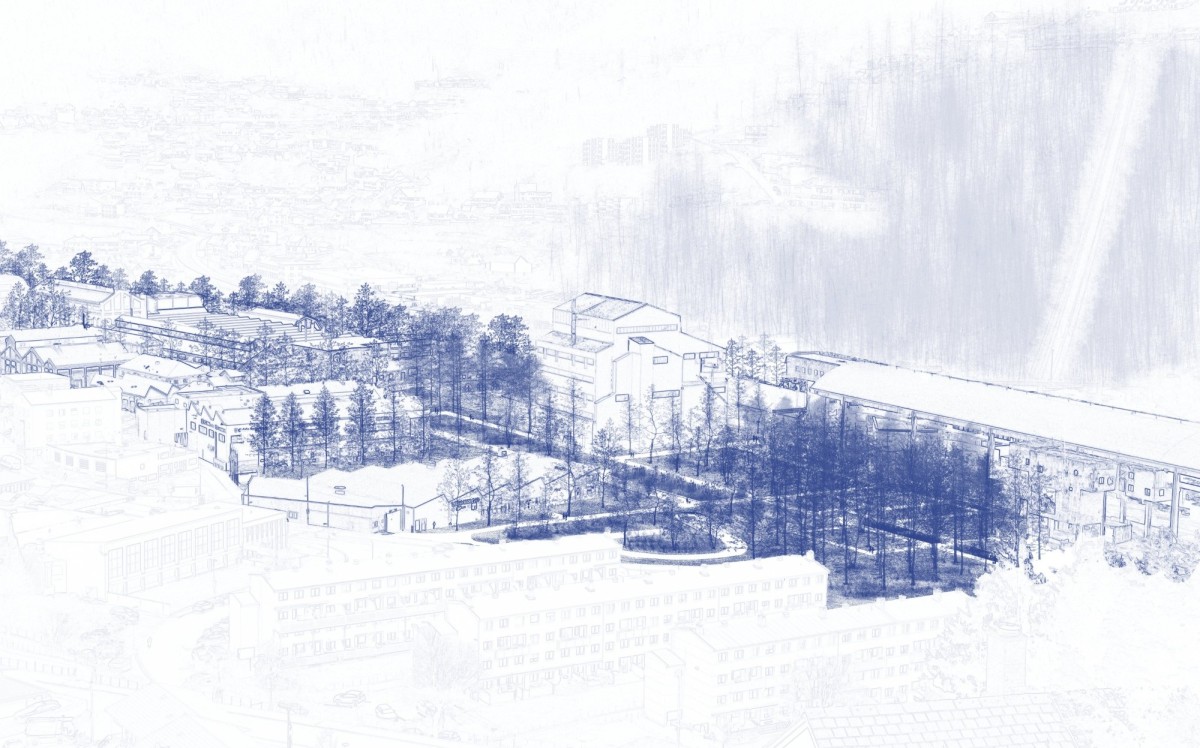
This diploma project investigates the convergence of environmental remediation, post-industrial heritage, and landscape-driven urban transformation. By uncovering Odda’s hydrology, geology, and industrial traces, it proposes a nature-based remediation strategy. Rather than sealing contamination beneath caps, the design remediates visibly and gradually, guided by water and ecology.
 Thomas De Loof
Slopemap Geology
Thomas De Loof
Slopemap Geology
 Thomas De Loof
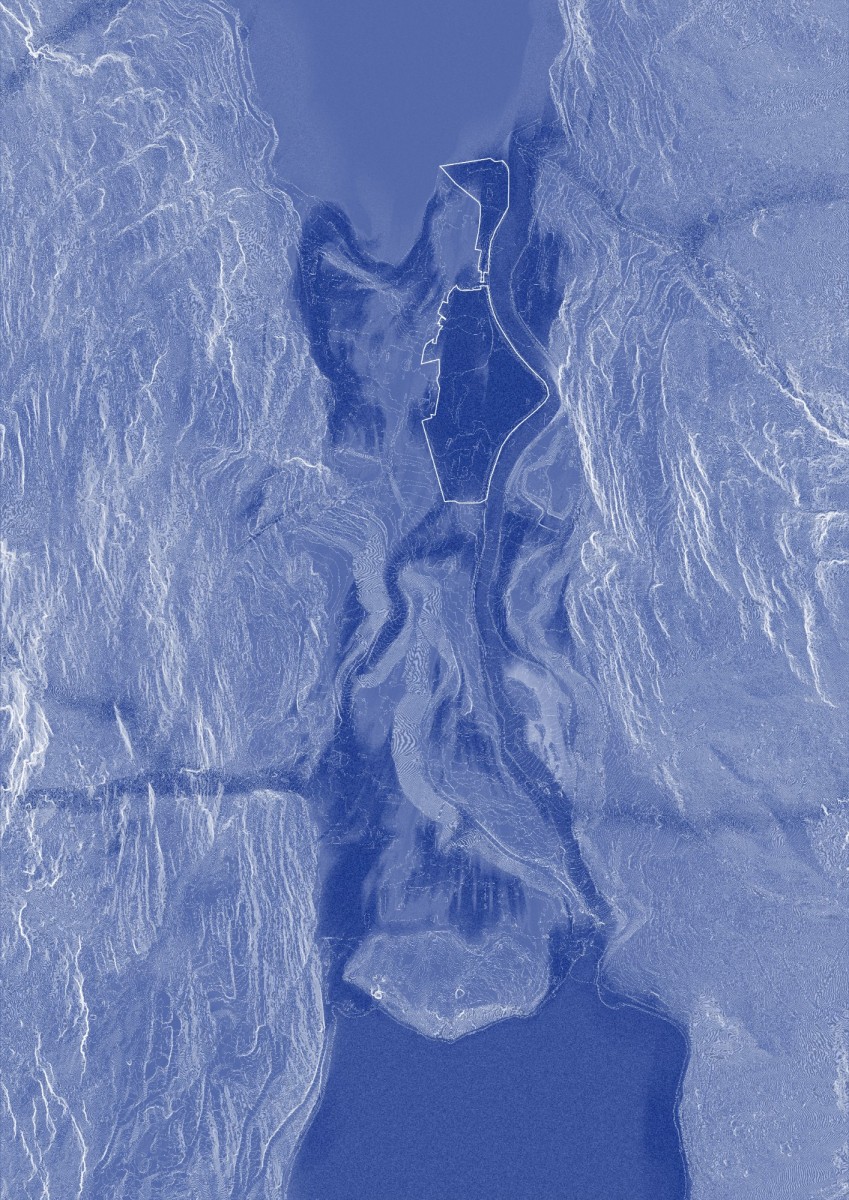
Landscape abstraction
Thomas De Loof
Landscape abstraction
 Thomas De Loof
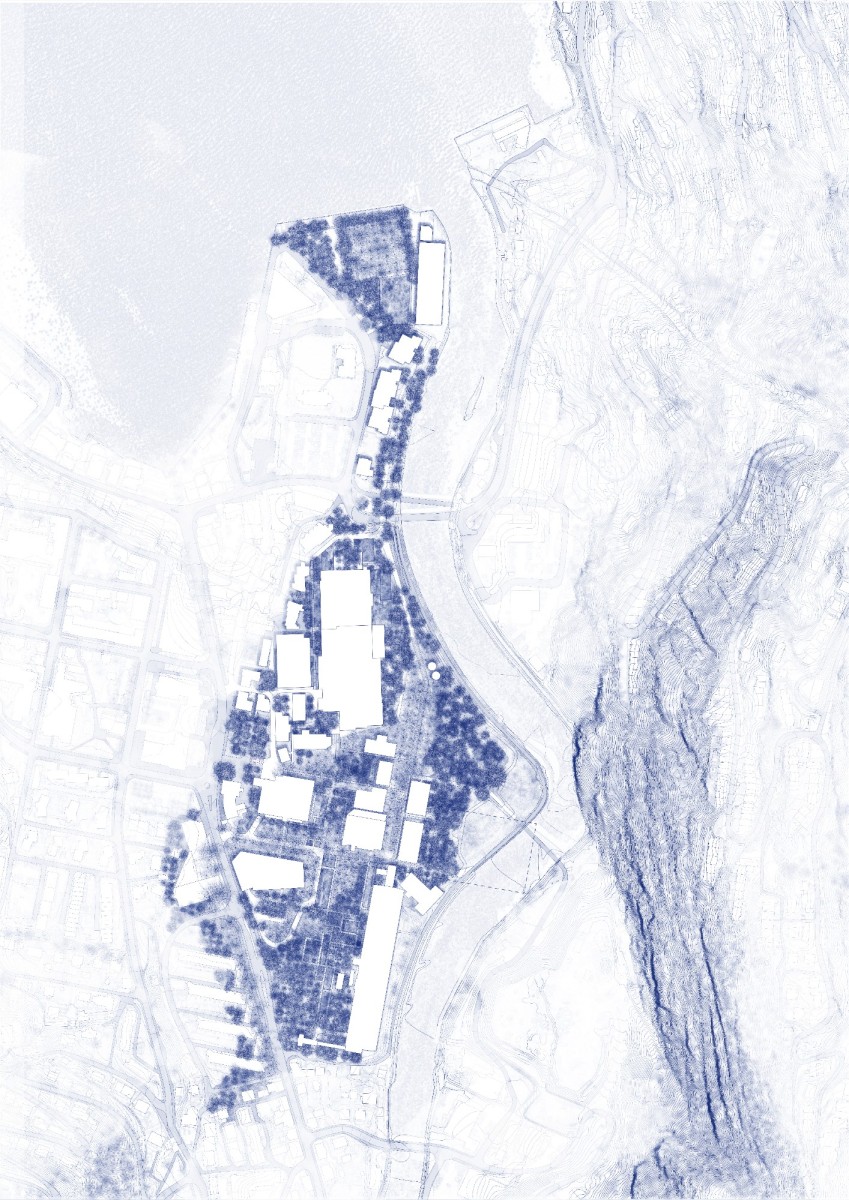
Strategy plan
Thomas De Loof
Strategy plan
A modular 8×8 meter grid organises phytoremediation fields, wetlands, and public spaces. Combining subsurface waterbodies and its historical footprints, the interventions embed memory with ecological processes. The project embraces hydrology as a design driver, transforming risk into resilience.
Ultimately, it reframes the Smelteverket site as a regenerative, transformative landscape, negotiating between past misuse and future resilience, static containment and dynamic renewal, ecological function and cultural memory.
 Thomas De Loof
Render
Thomas De Loof
Render
 Thomas De Loof
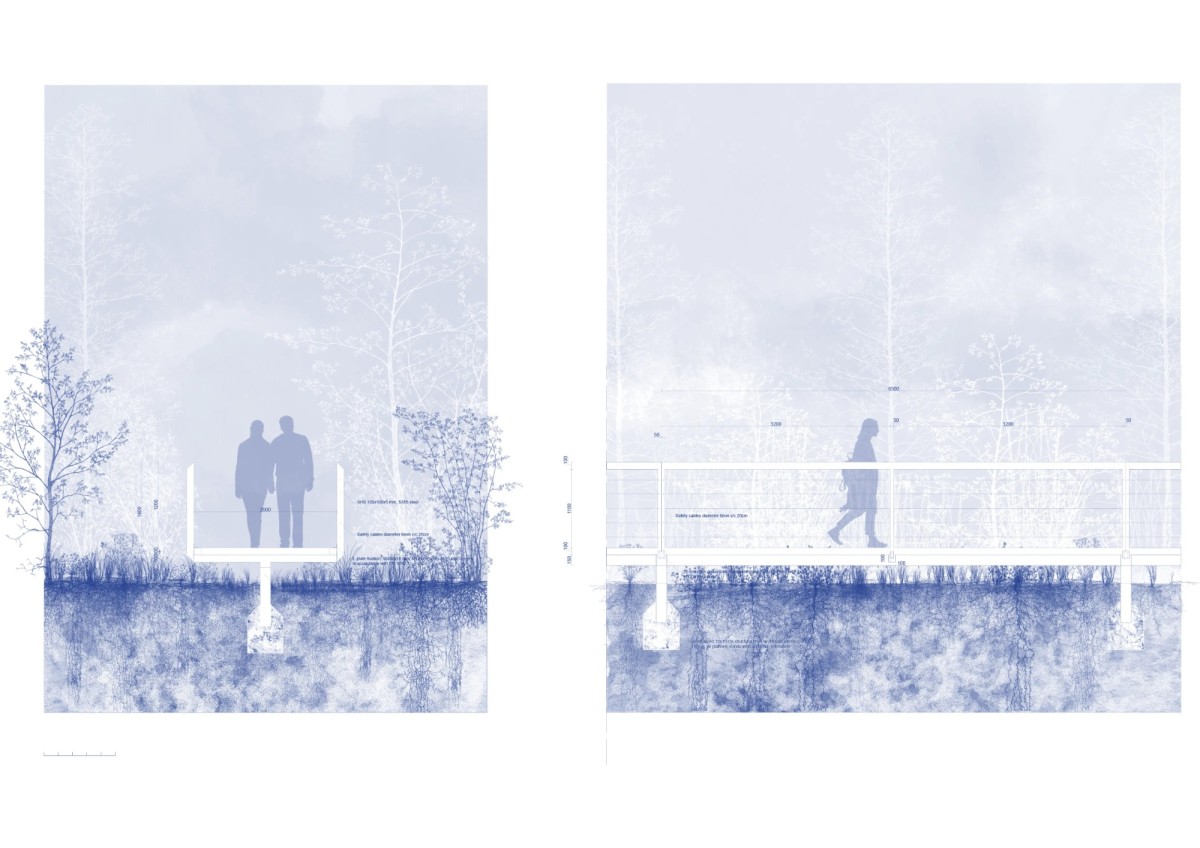
Walking deck
Thomas De Loof
Walking deck