Descendants of the polders
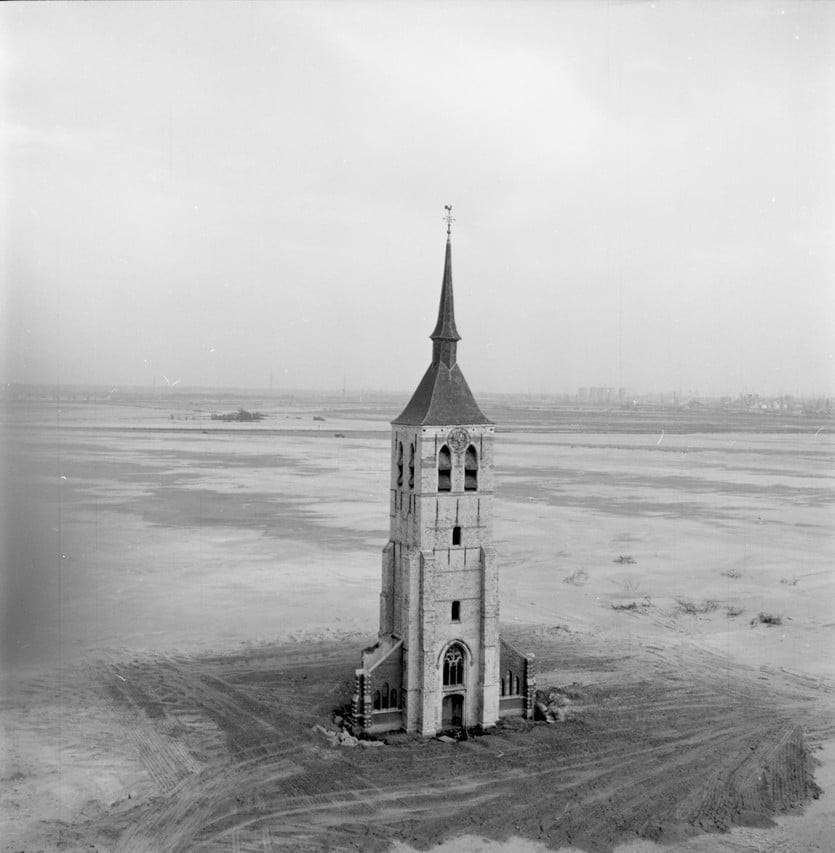
I navigate this master’s thesis by uncovering a family history that was, until recently, unknown to me. The story began when I heard about a church in the port of Antwerp. At first, the place appealed to me because of its absurd context, but gradually it revealed a deeper significance for me and my family. Four polder villages had to disappear for the expansion of the port, resulting in the expropriation of 4,500 inhabitants – including my grandparents.
 Frauke Soetewey
 Frauke Soetewey
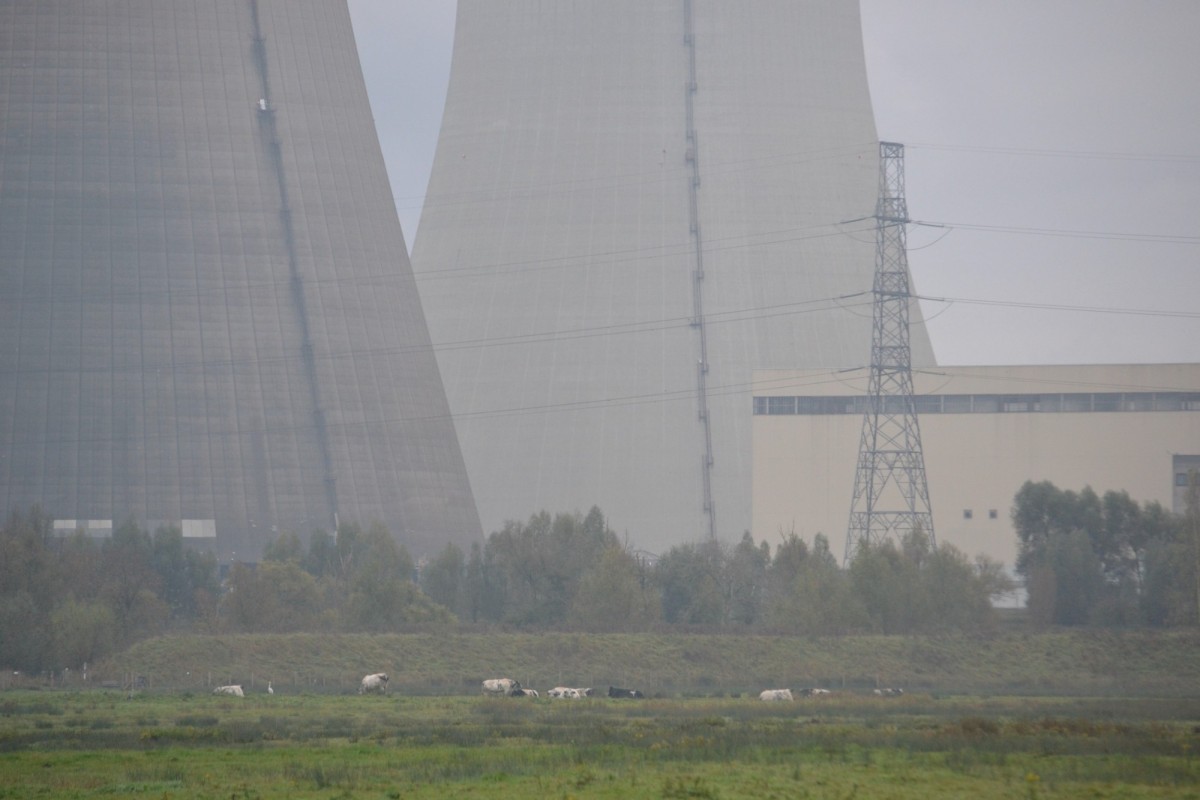
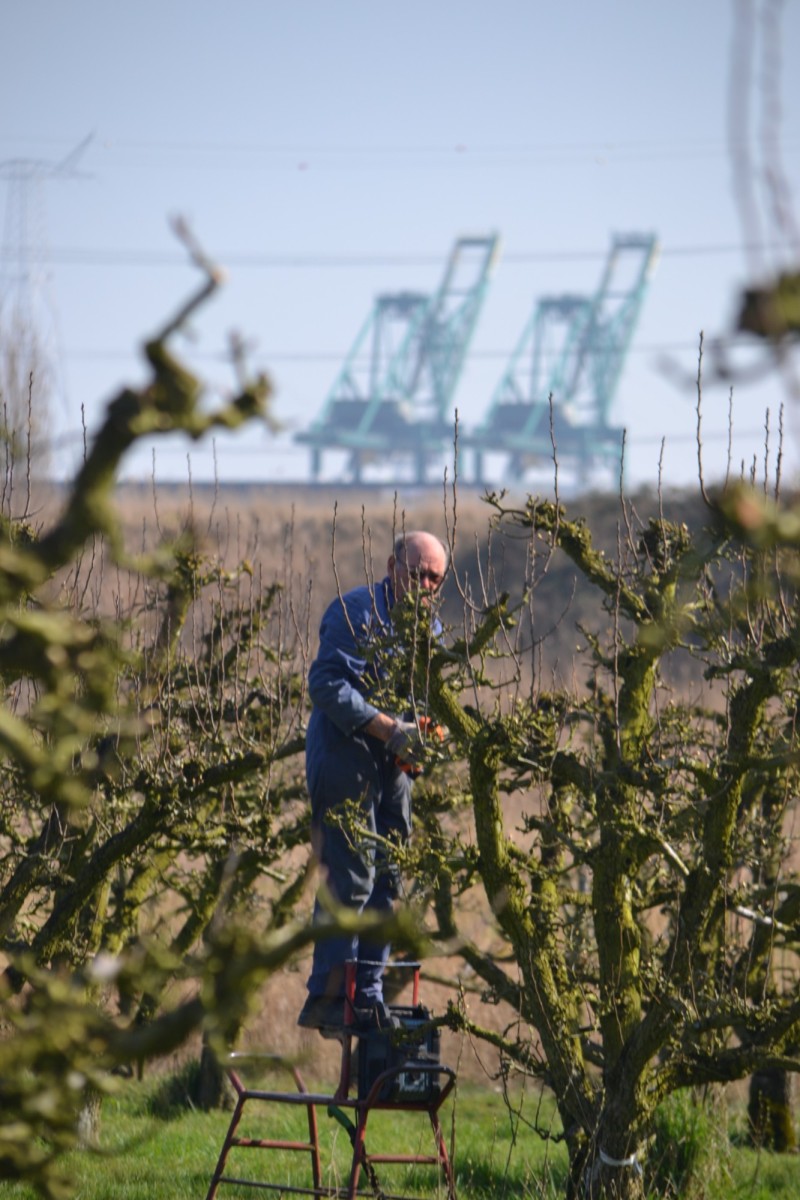
My position as a descendant, combined with three roles, forms the guiding thread throughout this project. First, I take on the role of a “voyeur”: I investigated the history of the polders using a variety of sources both within and beyond my family. I studied the area by continuing to observe objects and architecture that still exist, in different ways. It concerns everyday architecture set within its absurd surroundings.
 Frauke Soetewey
 Frauke Soetewey
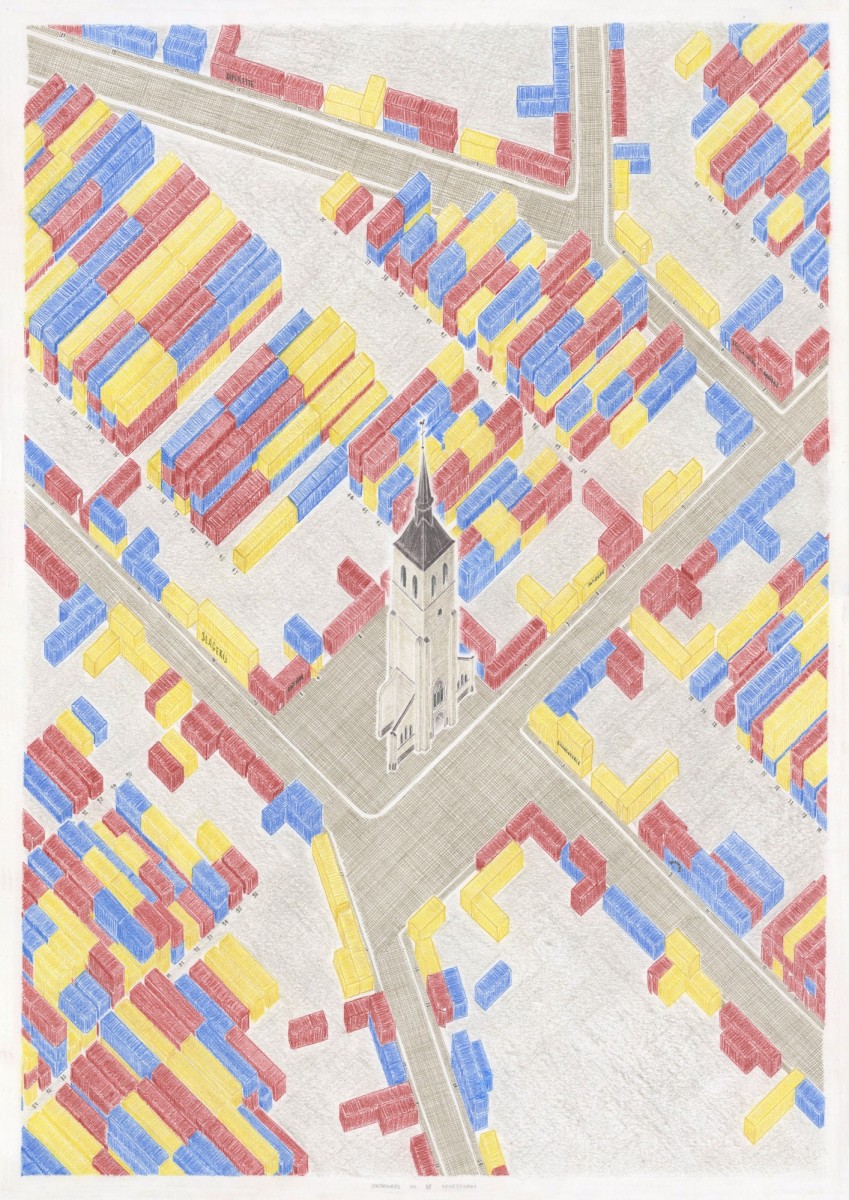
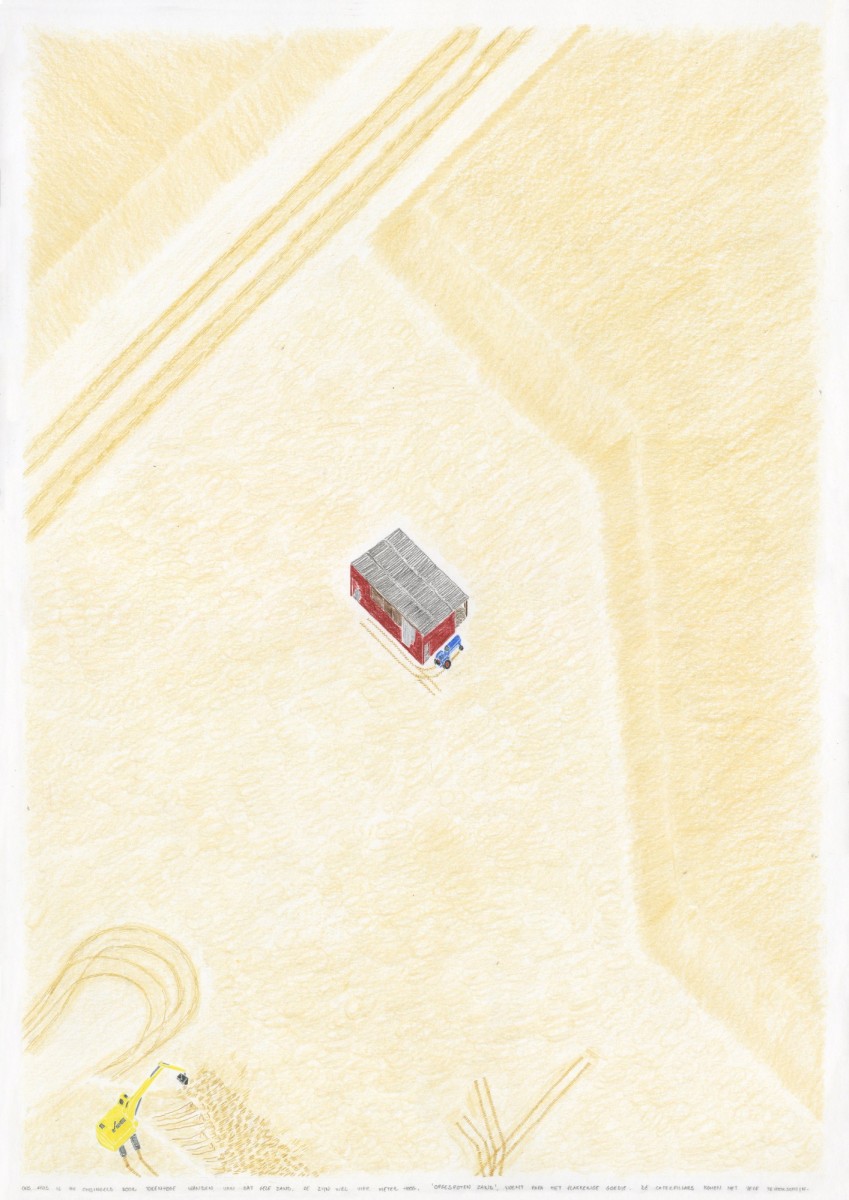
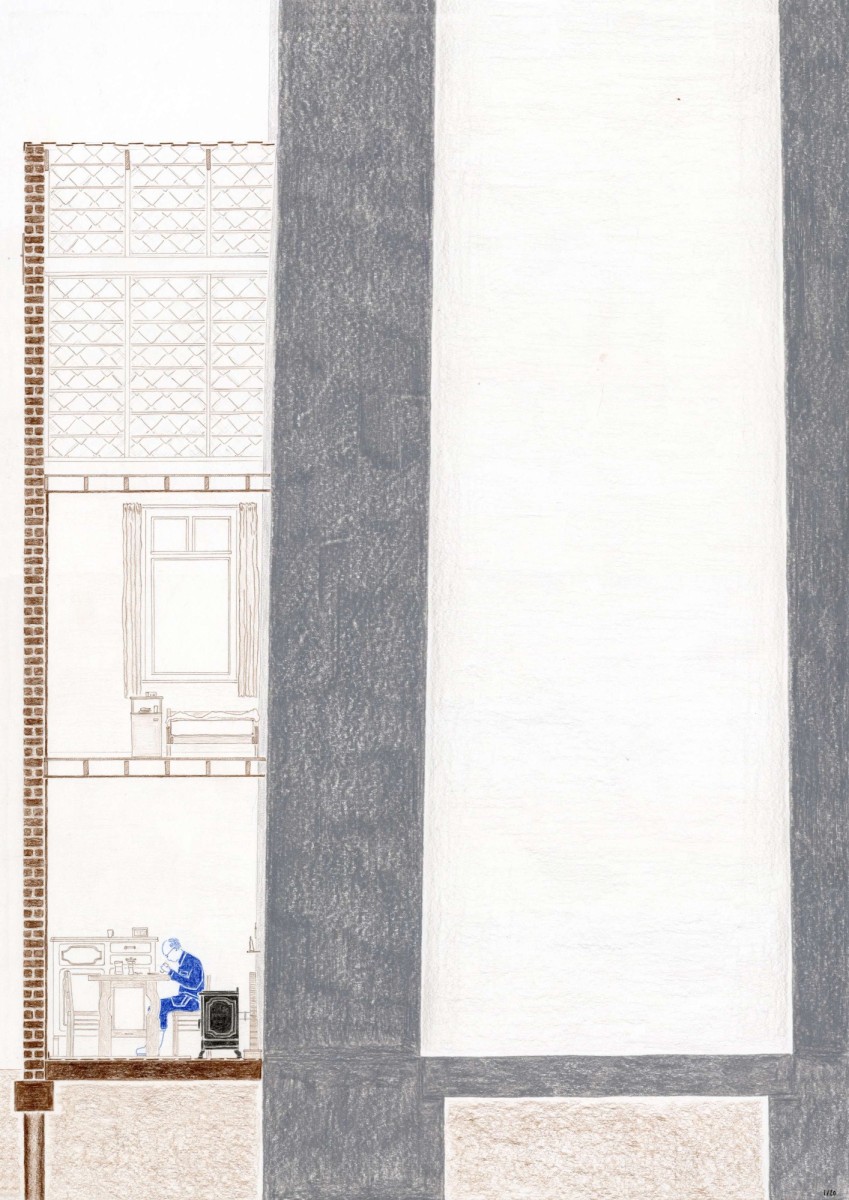
Second, I take on the role of a “illustrator”: by visualizing written testimonies of residents and descendants, I allowed the architecture itself to speak. Drawing functions as a process of reflection, enabling me to subsequently engage with it as a designer.
 Frauke Soetewey
 Frauke Soetewey
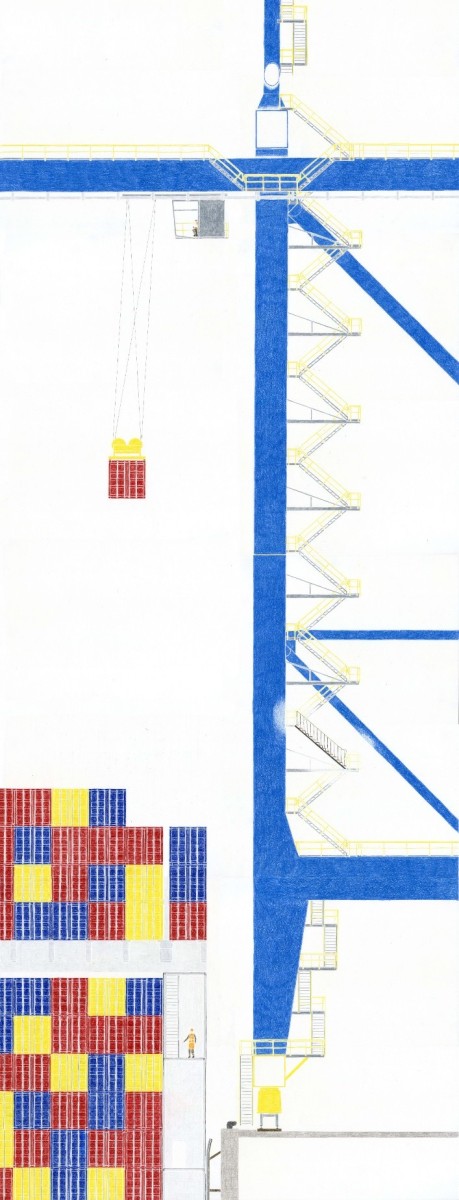
Third, I take on the role of a “designer”: I use architecture as a language to speak. Through my designs, I offer a critique of the disruptions and issues caused by the port. My designs create new spatiality by combining existing elements in unexpected ways.
 Frauke Soetewey