Rooted transitions
My master’s thesis explores how the transition from temporary to permanent housing following an earthquake in Nepal can be achieved in a more sustainable and context-sensitive manner. During fieldwork in Ramkot, Langtang and Shankharapur, I discovered that reconstruction is often disconnected from the landscape, the culture and the needs of residents. Many new houses have been built using modern materials such as concrete and brick, which, whilst they may feel ‘safe’, are often thermally uncomfortable and create a sense of alienation from the surroundings.
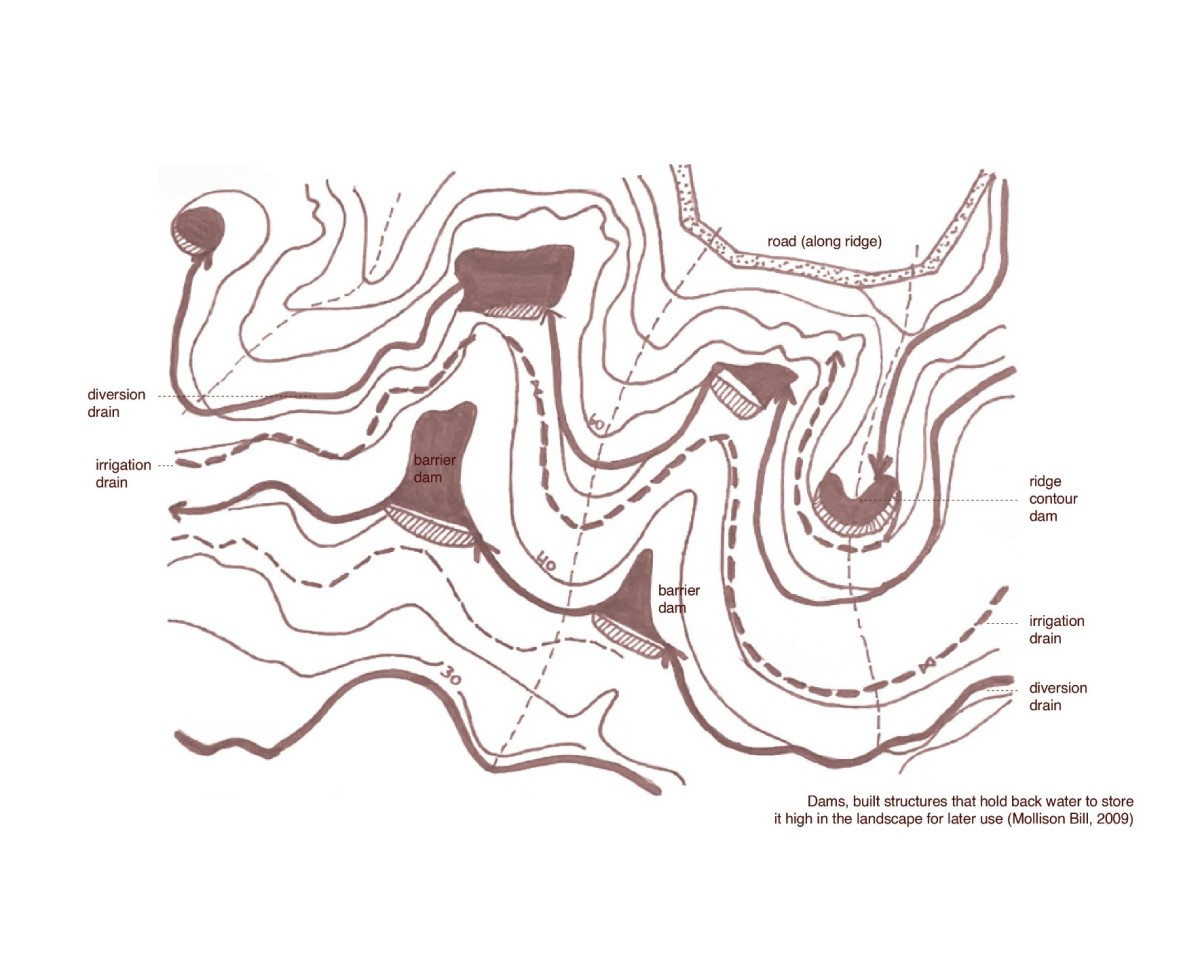
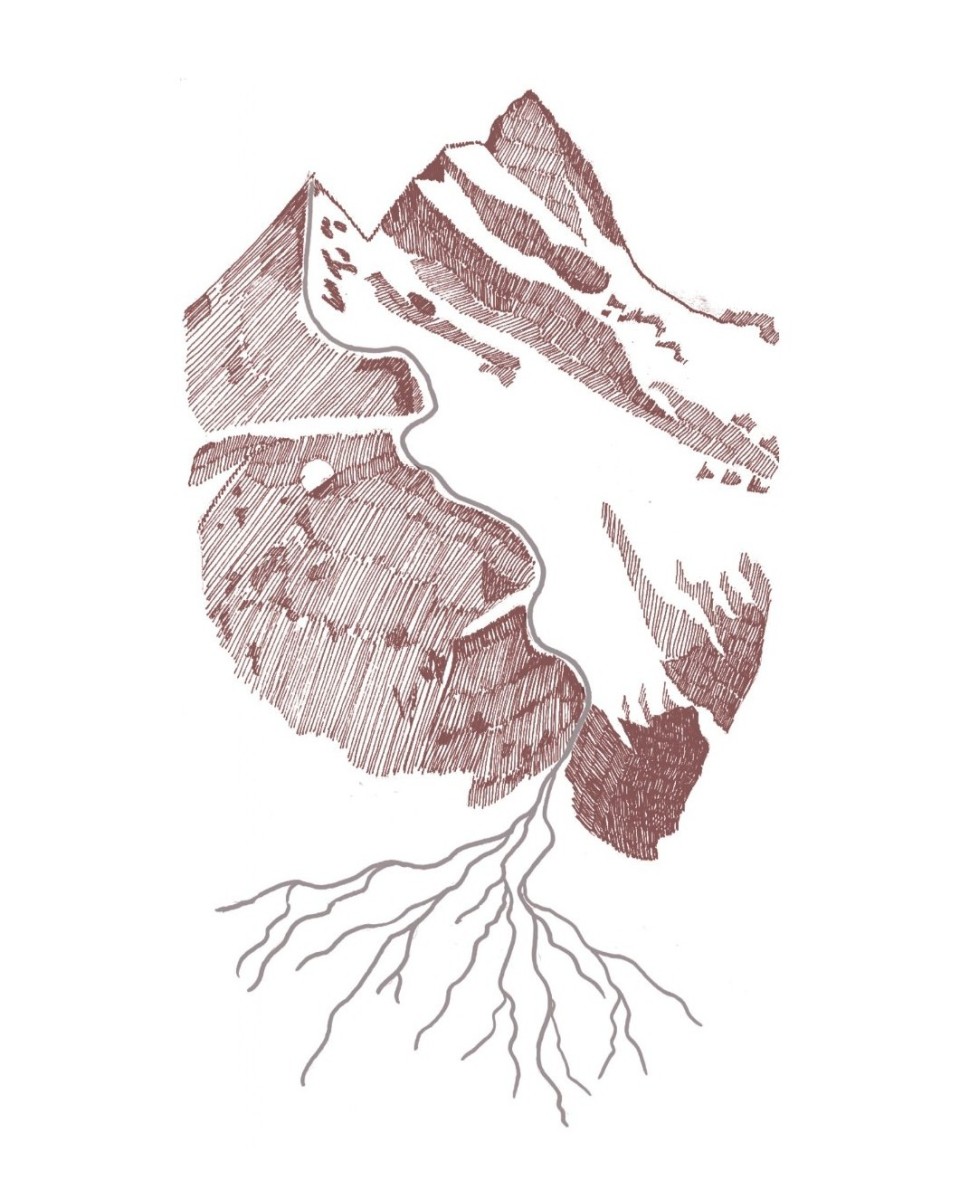
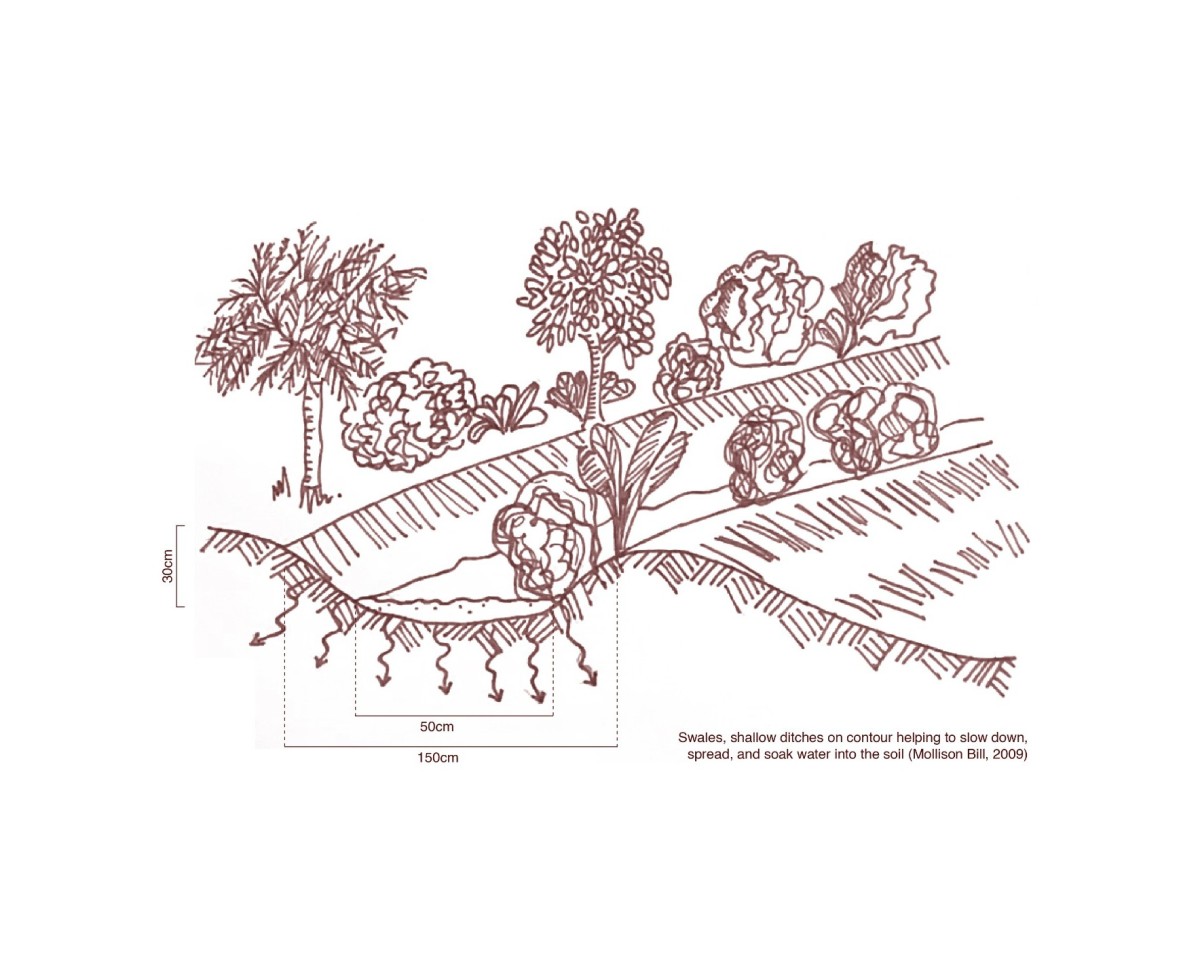
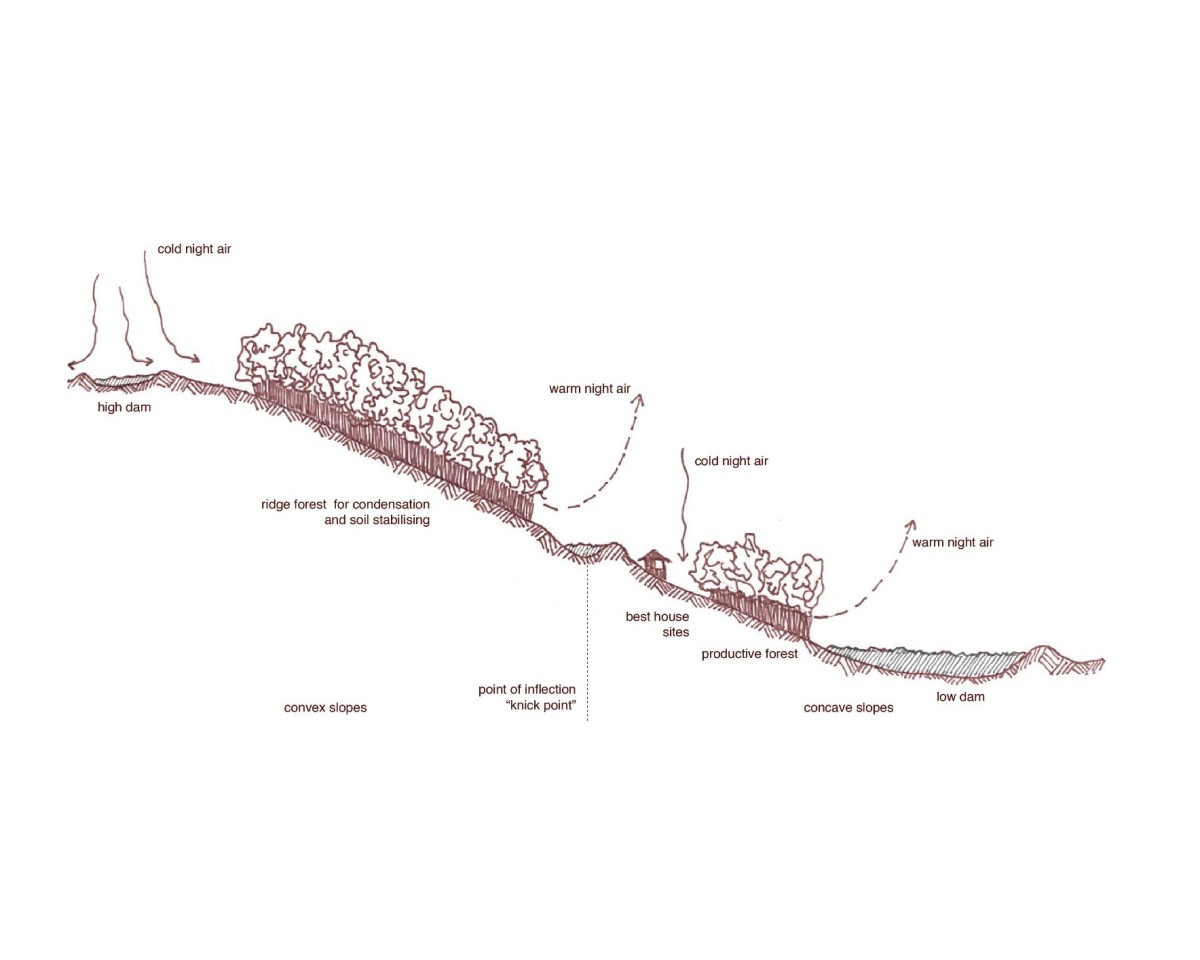
By applying permaculture principles such as ‘observe and interact’ and ‘use small and slow solutions’, I have begun to design with the landscape itself in mind. In my proposal, the steep slopes of Nepal no longer symbolise risk, but rather potential. By positioning the house halfway up a slope, rainwater is collected by gravity and channelled to the dwelling. After filtering, the water is reused to irrigate flowers and crops situated further down the slope. This passive water management system makes extensive use of the landscape, without wasting energy, and restores the balance between human habitation and nature.
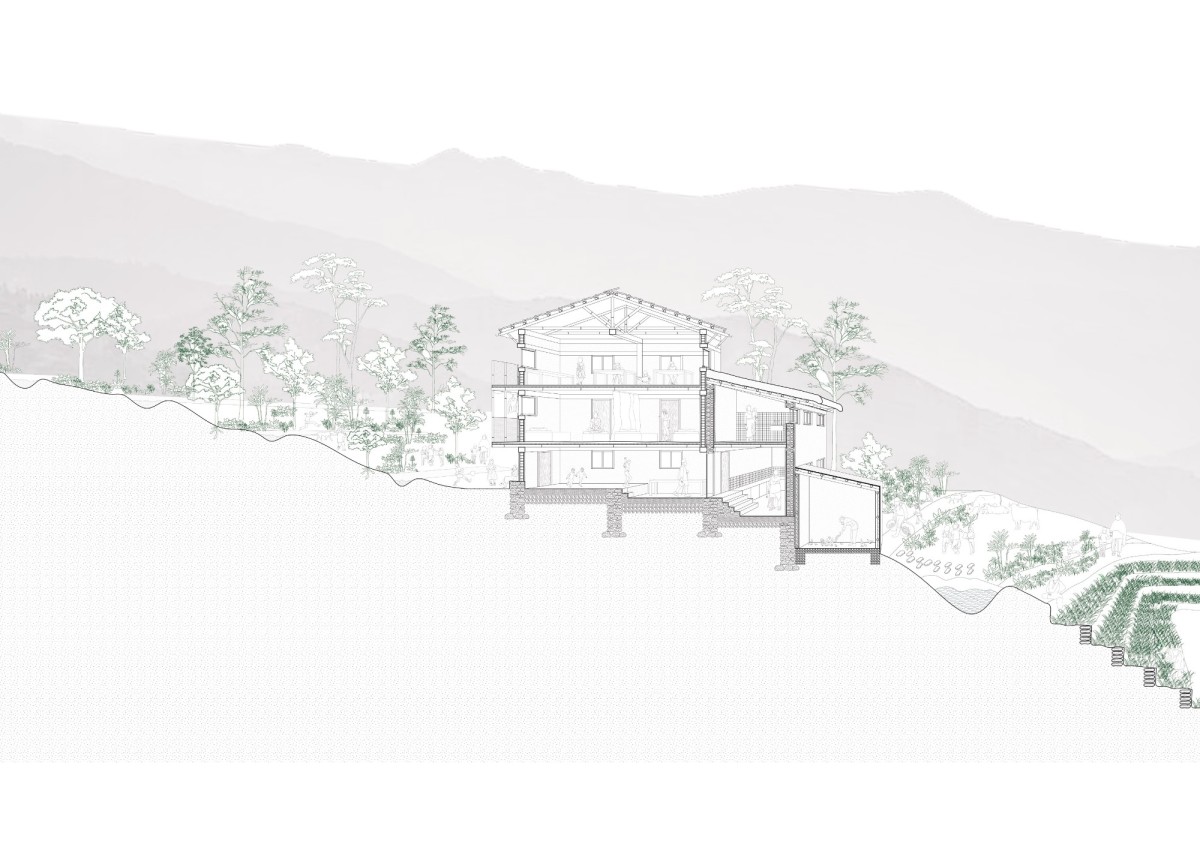
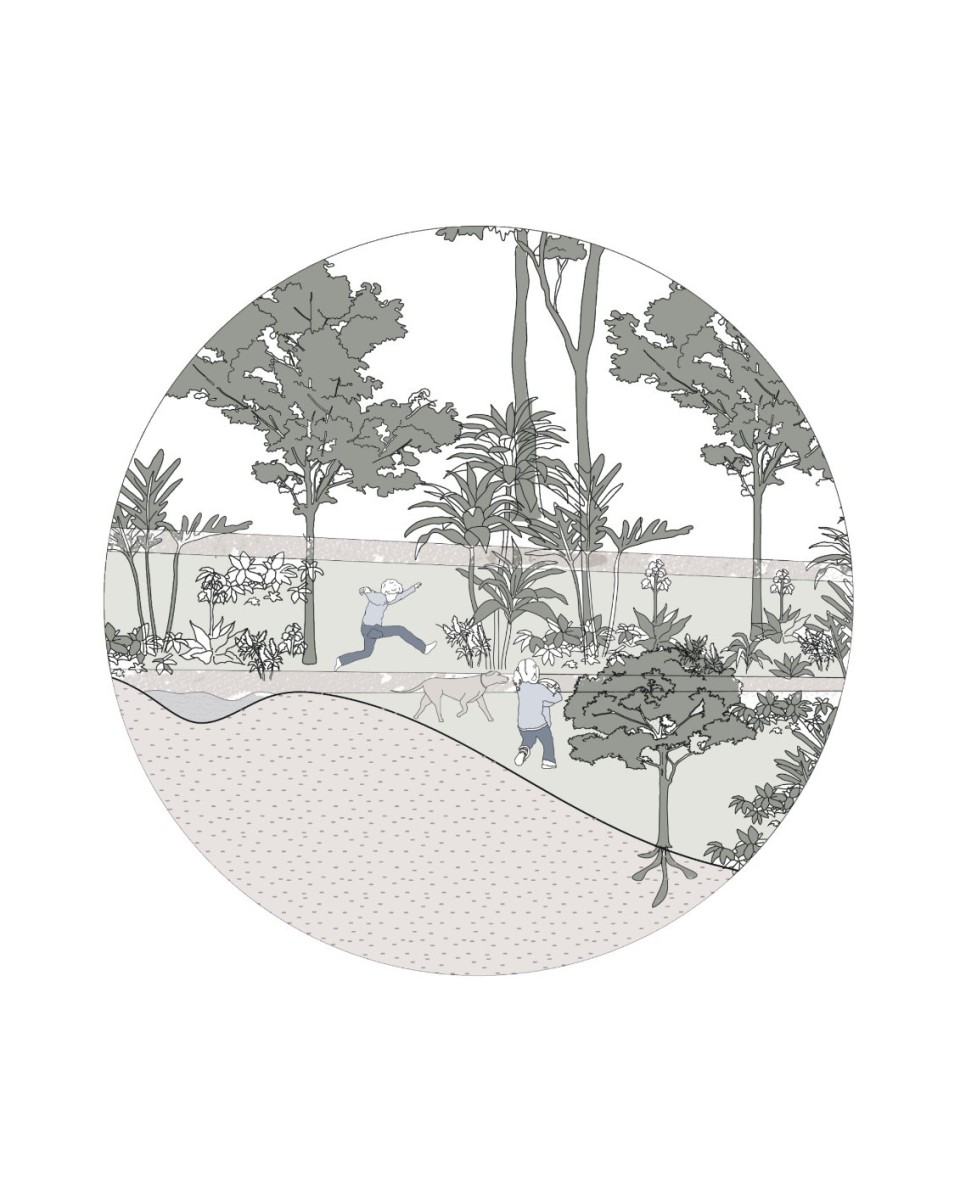
This integration into the landscape goes beyond mere technique. By standing, literally and figuratively, with my feet in the Nepalese soil, I came to understand how deeply living is connected to rhythm, memory and community. Living in an orphanage brought me closer to everyday life in Nepal, and working alongside local farmers allowed me to discover the value of materials such as cow dung, rice husks and bamboo.
In this thesis, I aim to demonstrate that architecture is not merely a physical structure, but a socio-ecological system. By building with consideration for both people and the landscape in which they live, we create homes that are not only resilient, but also caring, fair and connected.